

WATCH NOW
Watch on the app



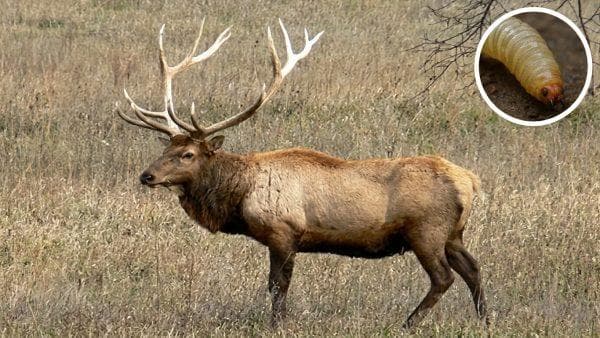











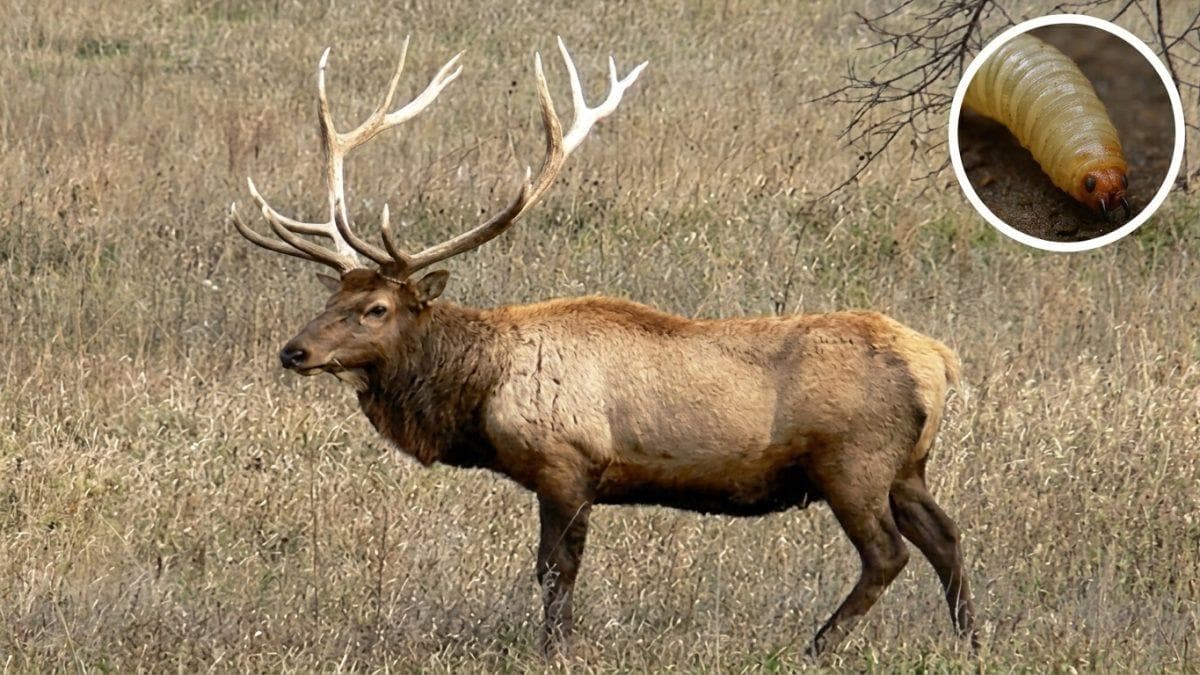
Texas elk tests positive for a flesh-eating parasite and wildlife officials are on alert over its potential spread
-
Flesh eating parasite detection in Texas elk triggers heightened wildlife monitoring across western ranches.
-
Federal officials confirm first wild animal infestation since multi state livestock outbreak began in June.
-
Surveillance expands along border regions as livestock import corridors prepare for controlled reopening.
The United States Department of Agriculture Animal and Plant Health Inspection Service (APHIS) confirmed on October 21 laboratory test results identifying New World screwworm larvae in a female Texas elk on a Pecos County ranch, marking the first confirmed wild animal infestation of this flesh eating parasite across the country after a hunter reported the injured animal during hunting season according to official reporting by Reuters.
Following the discovery, the Texas Animal Health Commission immediately modified the surrounding containment zone while expanding field operations alongside the Texas Parks and Wildlife Department, as female flies deposit eggs in open wounds and natural body openings where larvae consume living tissue, unlike harmless maggots that feed solely on decaying organic matter, causing severe infection and potential animal death without rapid medical intervention.
Impact of Texas elk parasite detection on regional livestock
State health officials urge hunters, landowners and agricultural workers to inspect lesions around eyes, ears, nose, mouth and genitals on harvested game, while watching closely for non healing wounds, foul smelling discharge, loss of appetite, depression or isolation caused by the flesh eating parasite in cattle, horses, sheep, goats, pets and humans in rarely reported human cases according to guidelines published by the USDA.
In light of these developments, the New Mexico Department of Agriculture confirmed a simultaneous case on October 21 involving a beef cow in Otero County, prompting federal teams to establish a 20 km sanitary quarantine perimeter with mandatory animal inspections and fly trap installations, though epidemiologists confirm no direct link exists between both detections due to species and territorial differences.
Historical background of the outbreak
The dual detections intensify a broader health response that began on June 3 when APHIS identified the flesh eating parasite inside an umbilical lesion of a 3 week old newborn calf in Zavala County, interrupting decades of pest free status previously maintained through sterile fly release programs.
In contrast, federal authorities authorized the gradual reopening of border crossings for Mexican livestock, reopening the port of entry in Columbus for cattle on October 26 and the Santa Teresa port in New Mexico for horses and equines under strict sanitary protocols managed by U.S. Customs and Border Protection that enforce physical inspections:
-
Requirement of a mandatory 7 day quarantine for horses and equines at authorized facilities.
-
Visual examination of all open wounds and bodily cavities on every incoming animal.
-
Obligation to report active flesh eating parasite larvae immediately to state health inspectors.
-
Restrictions on moving untreated livestock and Texas elk herds in and out of designated alert zones.
Ver esta publicación en Instagram
Control measures against the flesh eating parasite
The Texas Animal Health Commission stresses that prompt reporting of non healing wounds, unusual discharge or signs of pain in animals remains the most effective defense for local ranchers against agricultural losses across border counties.
Meanwhile, ongoing cooperation between hunters, ranchers, and state agencies ensures early detection of active infestations, allowing rapid treatment before larvae colonize broader Texas elk herds or neighboring commercial livestock operations.
Ver esta publicación en Instagram
