

WATCH NOW
Watch on the app














America could lose one of its favorite music genres as Latin music takes over
-
Country music vs Latin defines the current industry debate as music analysts confirm how digital platforms accelerate the expansion of urban rhythms.
-
Diversified digital consumption propels Latino talents to break historical records across the American market.
-
Global partnerships and massive live events solidify the financial momentum of Latin music against traditional genres.
Digital consumption across the United States marks a historic turning point as Latin music in America claims the spot as the fifth most listened to genre nationwide, directly threatening the legacy of country music by capturing 1 out of every 10 online streams, revealed Luminate Chief Executive Rob Jonas during the opening of the Billboard Latin Music Week, running from October 19 to 22 in Miami alongside Thursday’s Billboard Latin Music Awards.
This cultural surge reflects rapid audience adoption, with 54% of American adults listening to Spanish language songs monthly in 2026, up significantly from 44% in 2021, driven by a 15% five year growth rate that outpaces all competing genres and secures Latin music as the fastest expanding commercial wave ahead of traditional styles like hip hop, rock and pop.
Key drivers behind the rise of Latin music in America
-
Market behaviors highlight deep structural shifts across digital streaming playlists.
-
Sustained growth: A normalized 15% expansion rate beats every other active musical genre.
-
Massive cultural triggers: Historic live performances on global stages drive digital consumption for consecutive weeks.
-
Chart dominance: In the ongoing battle of country music vs Latin, a total of 37 Latin artists now rank within the top 500 streamed acts.
Industry leaders at Billboard Latin Music Week emphasize that artificial intelligence adoption reveals 54% of US musicians view these digital tools positively, while 18% actively use them to edit or remix songs, optimizing production workflows and raising the competitive quality of Latin releases.
The power of landmark cultural events
Bad Bunny’s historic Super Bowl halftime performance set an unprecedented milestone, generating the largest streaming week in Latin music history and sustaining elevated demand for 15 straight weeks on digital streaming platforms, proving how high profile showcases shift the balance in the country music vs Latin dynamic within mainstream markets.
The international footprint of Latin rhythms
Globally, Latin America generates two thirds of all Latin music streams, with Mexico driving 29% and Brazil accounting for 18%. However, world tours trigger skyrocketing demand in major markets like France, Germany, the United Kingdom, Japan and India, while US representation expanded from 23 artists in 2020 to 37 in today’s top 500, including 7 acts inside the elite top 100, redefining chart metrics in country music vs Latin and proving Spanish language tracks transcend cultural and geographical boundaries.
De Ricky Martin a Milo J: Tommy Mottola y Alex Gallardo explican cómo la música latina pasó de ser un género marginal a una potencia global https://t.co/iyPUrEM4w5
— billboard latin (@billboardlatin) October 19, 2026
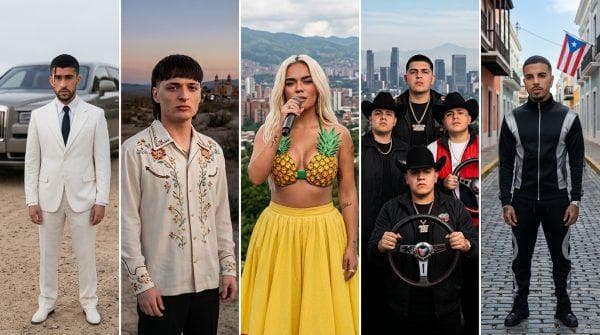
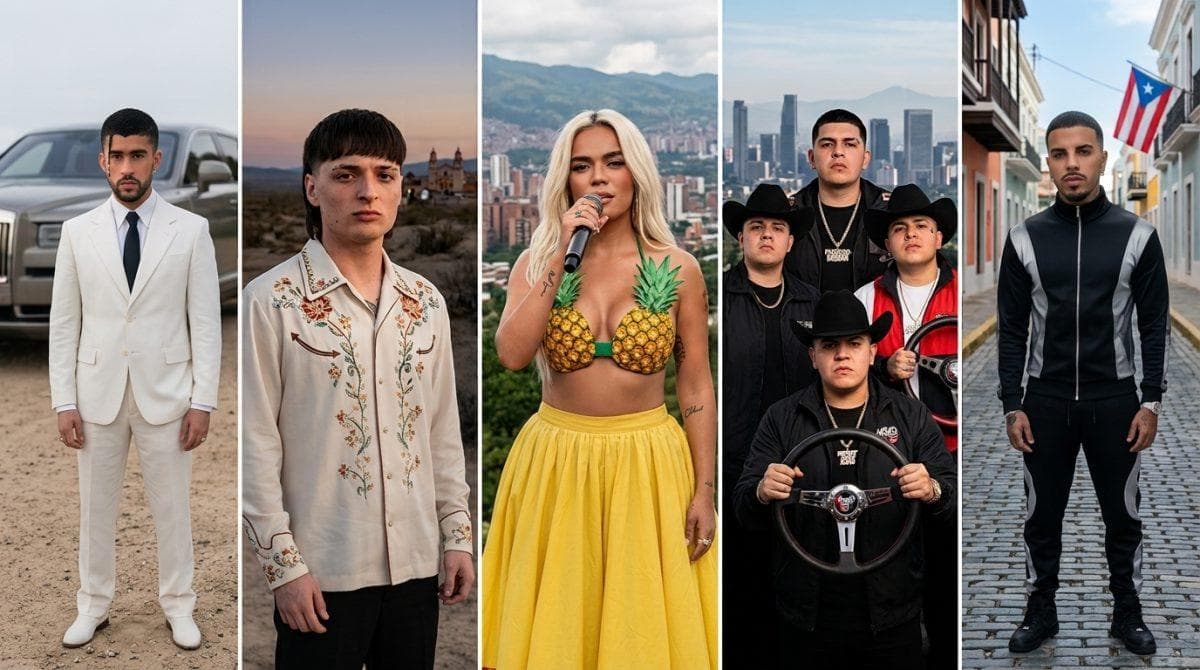
Top 5 Latin artists and their biggest US hits in 2026
Digital streaming data and billboard rankings place the following performers at the top of the market, proving how Latin music in America continues to dominate major digital playlists:
-
Bad Bunny – “Monaco”
-
Peso Pluma – “Ella Baila Sola”
-
Karol G – “Si Antes Te Hubiera Conocido”
-
Fuerza Regida – “Harley Quinn”
-
Rauw Alejandro – “Santa”
Strategic recommendations for US music executives
Consequently, record labels must reallocate marketing budgets to match this momentum, ensuring global campaigns strengthen Latin artist positioning across the world’s most competitive entertainment hubs as country music vs Latin market dynamics continue to evolve.
As a direct outcome, updating digital distribution strategies enables labels to reach fresh demographics, securing long term financial stability for Latin urban music as the cultural transition towards 2027 continues to unfold, ensuring the solid expansion of Latin music in America.
