

WATCH NOW
Watch on the app











Instagram users may no longer know what’s real as AI takes over their feeds
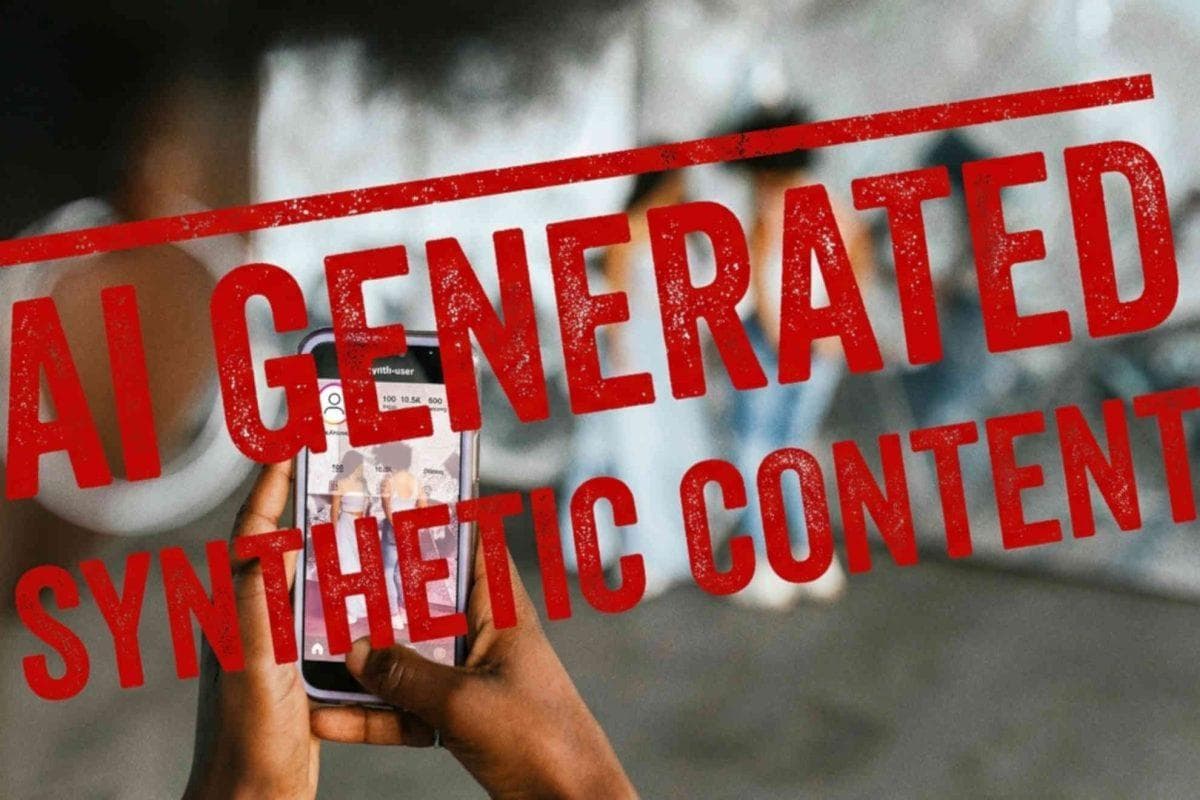
- Executive Adam Mosseri openly recognized that Instagram faces an invasion of AI deepfakes that are difficult to detect.
- The massive proliferation of synthetic content and fake avatars directly impacts creator revenue on the social network.
- The platform in The United States seeks to implement digital authenticity signatures that prevent Slop Content to restore user trust.
The synthetic content crisis shaking the operating foundation of the famous social network
Facing a worrying wave of synthetic content distorting reality across digital feeds, popular American platform Instagram is going through a critical moment due to the unchecked growth of AI deepfakes mimicking real people with impressive precision. In this manner, the issue escalated to alarming levels after various comedians across The United States exposed hyper-realistic avatars stealing their stand-up routines word-for-word to accumulate followers and monetize attention toward third-party sites, leading CEO Adam Mosseri himself to publicly admit that containing this type of material or Slop Content proves extremely complex. In this sense, top company leadership acknowledged that banning the technology represents neither a viable nor a practical alternative, opening an urgent industry debate on how to protect content creators’ legitimate work against this invasion of automated profiles on the social network.
The junk content phenomenon and the direct threat to the digital creative economy
Similarly, because the social network’s recommendation algorithms often end up saturated with thousands of automatically generated videos designed to harvest clicks, this invasion of AI deepfakes embodies the dreaded phenomenon of Slop Content or synthetic content soup seeking to manipulate reach without delivering genuine value on Instagram. For human artists and small emerging creators, this scenario represents a devastating blow to financial sustainability, as ghost accounts featuring nonexistent faces gain broader distribution by reproducing jokes, visual aesthetics and production dynamics copied without prior authorization. Consequently, platform developers are analyzing strategies to redirect traffic toward original authors and curb artificial profile saturation across The United States, although executives admit that lacking strict digital copyright laws makes penalizing unconventional plagiarism committed by smart algorithms difficult.
New verification tools to regain credibility in the virtual environment
Now, seeking innovative solutions to certify authentic material captured by real cameras right from its origin, Instagram leadership is evaluating adopting cryptographic digital fingerprint mechanisms through technology standards like C2PA rather than tracking every fake post circulating on the social network. This measure proves crucial because AI deepfakes are increasingly indistinguishable from real content, forcing the platform to strengthen informational labels so global audiences can identify exact origin details for what they consume while preventing Slop Content. In conclusion, the true challenge for the future of social networks and their algorithms across The United States lies not in eradicating generative technology, but in preventing massive copying from displacing the authentic human talent sustaining the digital economy.
Ver esta publicación en Instagram
