

WATCH NOW
Watch on the app









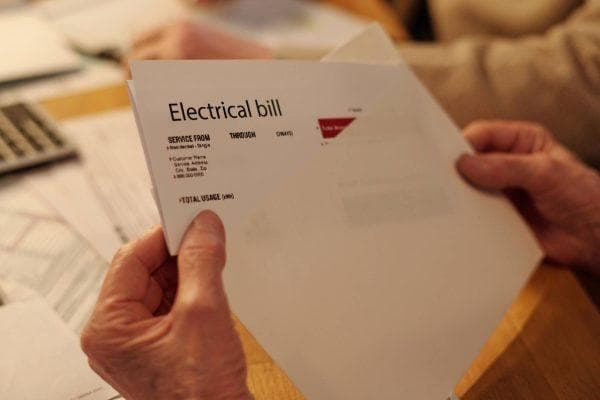





New York seniors could lower some of their biggest monthly expenses by checking these three benefits

-
NYC older adults can successfully lower their major monthly living expenses by taking advantage of 3 essential financial relief programs.
-
Federal and local municipal agencies offer targeted assistance packages specifically designed to ease household budgets across the metropolitan area.
-
Eligible residents must carefully review their specific income limitations and property ownership criteria to maximize overall household savings.
New York seniors face significant financial pressures amidst rising urban living costs, because while fixed incomes remain stable, essential household expenses continue to escalate across the metropolitan area; furthermore, a recent assessment shows that NYC older adults can lower major monthly expenses with 3 free programs and public policy experts suggest that while numerous relief initiatives exist, bridging the information gap requires intentional civic guidance rather than passive navigation, while officials emphasize that receiving a pension, collecting Social Security or working part time does not automatically disqualify residents from receiving these official benefits.
Understanding essential municipal assistance programs
Public assistance programs frequently suffer from widespread under-enrollment, particularly when evaluating municipal relief initiatives designed to support aging populations; specifically, many qualified residents remain unfamiliar with available financial aid, while only a fraction of eligible individuals successfully claim all applicable benefits, and moreover, administrative complexities among applicants demonstrate persistent confusion about official requirements, as some mistake temporary relief for permanent universal grants or overlook crucial documentation deadlines while relying on outdated procedures that often hinder NYC older adults.
Demographic analysis reveals that older populations occasionally miss out on vital cost-saving opportunities, but community outreach initiatives continue to demand more comprehensive coverage across all 5 boroughs; in addition, municipal agencies and social service bodies emphasize that recognizing trailblazing administrative reforms reinforces the core values of urban equity, ensuring that insights gathered from welfare reports translate into lasting household relief through proactive public awareness campaigns that extend far beyond basic announcements, while local communities continue seeking reliable guidance.
Three essential programs for New York seniors
Older residents throughout the 5 boroughs frequently encounter complex bureaucratic procedures when attempting to access municipal financial relief, but understanding the precise scope of available assistance makes a substantial difference in monthly budgeting; furthermore, administrative guidelines vary significantly across different departments, meaning applicants must carefully review specific income thresholds and property ownership criteria before submitting documentation, which directly benefits NYC older adults navigating urban welfare systems.
1. SNAP medical expense deductions and nutritional support
Food assistance represents a critical pillar for aging households, because while standard eligibility depends heavily on gross household income, households including a person aged 60 or older can deduct certain unreimbursed medical expenses that exceed $35 per month; additionally, this calculation reduces the net income figure evaluated by caseworkers, which frequently increases monthly food benefit allocations without implying an extra cash deposit on the card, and eligible expenses encompass health insurance premiums, Medicare premiums paid by the beneficiary, prescription medications, dental care, medical consultations, treatments, specific healthcare-related transportation, medical equipment, supplies, and designated home care services, provided those amounts are not reimbursed by insurance or Medicaid, while keeping receipts helps prevent oversight. You can verify federal household guidelines directly through the USDA Food and Nutrition Service.
2. MTA Reduced Fare program for public transit
Public transportation expenses decline significantly for qualified older adults, as the Metropolitan Transportation Authority offers a reduced fare of $1.50 per trip on subways, the Staten Island Railway, and local buses as of 2026 compared to the standard $3.00 ticket; furthermore, residents aged 65 and older, individuals receiving Medicare for reasons other than age, or persons with specific visual, physical, or mental health disabilities meeting criteria can integrate this reduced rate into OMNY, and regular commuters who complete 2 daily journeys across 50 weeks accumulate around 500 trips annually, generating an approximate annual savings of $750 for frequent passengers. Learn more about contactless payment integration on the official OMNY Info Portal.
3. Enhanced STAR school tax relief for NYC older adults
Property tax burdens often weigh heavily on fixed-income residents, but the Enhanced STAR program provides substantial relief on the school tax portion of primary residences for qualifying senior homeowners meeting the strict state income threshold of $110,750 for 2026; additionally, the New York State Department of Taxation and Finance automatically applies this upgraded credit for eligible participants without requiring a new separate application, allowing NYC older adults to secure predictable housing savings year after year while avoiding misleading online promises of instant cash once enrolled. Property owners can check exemption details on the New York State Department of Taxation and Finance Portal.
Administrative guidelines and eligibility criteria
Navigating public assistance requires careful attention to official verification standards, because each relief initiative operates under distinct regulations concerning residency, income caps, and documentation; indeed, administrative evaluations depend heavily on accurate personal data, and applicants must ensure their records remain fully updated with municipal authorities to avoid unexpected delays, while community outreach programs continually remind citizens to rely strictly on official portals rather than unofficial intermediaries promising immediate payouts to NYC older adults.
-
Review existing applications before submitting new documents to verify that current income and household data remain accurate.
-
Gather official receipts and coverage statements for all allowable medical deductions before starting a SNAP recertification through the New York State Office of Temporary and Disability Assistance or the NYC Human Resources Administration, ensuring complete transparency for New York seniors.
-
Confirm eligibility status directly through the New York State Department of Taxation and Finance or local tax assessors.
-
Prepare valid identification and medical documentation when applying for transit concessions through the regional transport authority and utilizing OMNY payment systems, ensuring optimal support for NYC older adults.
Official administrators note that avoiding unauthorized third-party services protects applicants from misinformation and municipal offices provide free guidance for anyone needing assistance; moreover, utilizing verified communication channels ensures that participants receive accurate updates regarding benefit modifications and distribution schedules throughout the year, because careful preparation transforms routine administrative procedures into reliable pathways for household financial stability.
Economic impact and local support relevance
Municipal leadership discussions frequently center on easing urban financial burdens, especially when city agencies measure the long-term effectiveness of targeted relief packages across diverse neighborhoods; indeed, impact metrics indicate that combined savings from multiple programs can significantly reduce annual household expenditures for qualifying residents, although financial advisors caution that total savings vary widely based on individual circumstances, noting that grocery allowances, transit discounts and property tax reliefs accumulate gradually over months rather than arriving as a single lump sum.
Contemporary social attitudes toward municipal support continue to evolve rapidly, with numerous community organizations asserting that targeted assistance carries vital importance today due to ongoing economic pressures; furthermore, this sentiment highlights a practical approach where understanding specific administrative rules helps households maximize their entitlements, and modern data demonstrates that structured civic support serves as a cornerstone for maintaining financial security and acknowledging the multifaceted contributions of New York seniors.
Ver esta publicación en Instagram
