

WATCH NOW
Watch on the app




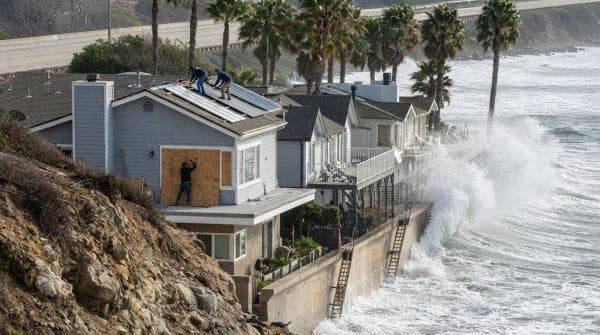










California homeowners must prepare now as El Niño threatens a rough winter ahead
-
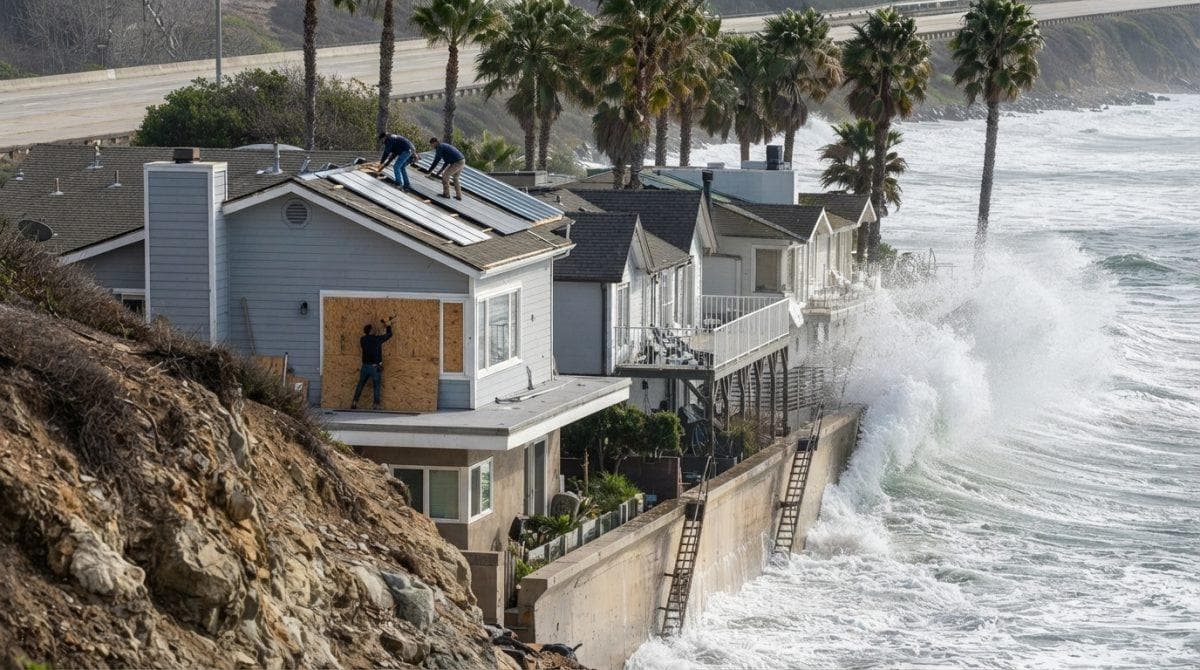
El Niño threatens severe rains across the region, prompting local residents to face unprecedented weather patterns that demand immediate property preparations.
-
Federal meteorological forecasts indicate a 75% probability of intense storms, driving urgent community-wide safety measures.
-
Property owners must act quickly to safeguard residential structures against potential flooding, heavy downpours and structural damage.
California homeowners confront extraordinary winter weather patterns because meteorologists at the National Oceanic and Atmospheric Administration predict a 75% probability of severe storms surpassing any recorded event since 1950; furthermore, municipal authorities urge communities to implement immediate preventative measures against expected floods, landslides and high winds in previously fire-damaged zones, establishing a foundation for community resilience.
California homeowners must follow essential steps to protect their homes
Communities across Southern California prepare for an unusually wet winter season driven by major oceanic climate shifts; additionally, official predictions highlighted on Ready.gov emphasize an urgent need for proactive property management, while municipal leaders underscore that following strict technical recommendations significantly reduces structural vulnerability as El Niño threatens severe rains, transforming how neighborhoods approach seasonal risk.
1. Register for emergency alert systems
Residents must subscribe immediately to official county notifications to receive real-time evacuation orders, road closure alerts and severe weather updates, ensuring prompt responses to severe local hazards when El Niño threatens severe rains in the area by staying fully informed on official municipal channels and downloading local county apps that broadcast mandatory evacuation zones before flash floods occur.
2. Inspect and repair residential roofs
Property owners should thoroughly examine upper surfaces for damaged tiles, compromised flashing or prior leaks before heavy downpours saturate the building structure as El Niño threatens severe rains, effectively preventing costly emergencies during peak storms by hiring qualified roofing professionals with proper licensing who can detect underlying structural weaknesses that standard visual checks often miss.
3. Clear exterior drainage systems
Homeowners must test drainage conduits using a garden hose to verify that water flows efficiently toward public street gutters, successfully avoiding dangerous accumulations around structural foundations through proactive maintenance of downspouts, yard catch basins and French drains designed to redirect heavy surface runoff safely away from living spaces.
4. Evaluate tree safety
Specialists advise hiring certified arborists to detect structural cracks, diseased branches or root instability without resorting to harmful pruning practices that compromise natural stability or leave mature trees dangerously exposed to gale-force winds capable of uprooting neglected canopies near power lines and residential structures.
5. Position defensive sandbags
Residents can arrange sandbags tightly across doorways and vulnerable entry points as a final line of defense against surface water runoff while El Niño threatens severe rains, obtaining free materials directly from designated county distribution sites while proving local residency and stacking them in a staggered pyramid formation to maximize water-blocking integrity.
6. Review flood insurance policies
Experts recommend verifying specific home insurance deductibles and maintaining updated photographic records of every room to streamline future claims processing regardless of proximity to major water bodies or designated flood zones, keeping physical and digital policy documents in secure waterproof storage containers for rapid access.
7. Assemble an emergency go-bag
Families must prepare a portable supply kit containing non-perishable food, potable water, medications and vital documents stored securely in a sealed container, ensuring complete readiness for California homeowners during unexpected crises and sudden evacuations by stocking enough self-sustaining supplies for at least 72 hours without external assistance.
Safeguarding property structures against heavy downpours
Property maintenance extends far beyond basic roof checks because exterior landscaping plays a critical role in managing heavy stormwater runoff; indeed, following recommendations from Los Angeles Supervisor Lindsey Horvath, residents must identify localized zone risks near hillsides or canyons, while roofing expert Terry Heller advises inspecting roofs over 12 years old with licensed professionals and landscape architect Esther Margulies suggests installing sump pumps to prevent pooling while noting that everything exposed to rain enters local watersheds when El Niño threatens severe rains, thereby raising environmental awareness across the district.
Concurrently, landscape specialists recommend planting drought-tolerant ground covers like coyote brush on slopes to stabilize soil and prevent mudslides, although vegetation planted as late as September offers limited initial protection; similarly, arborist Alison Lancaster urges property owners to clear dead palm fronds while avoiding drastic pruning, and insurance expert Amy Bach advises verifying flood policies regardless of proximity to water bodies, while emergency coordinator Angel Sauceda recommends sealing vital documents inside a household freezer during evacuations, creating robust layers of household defense.
Vehicle safety and emergency readiness strategies for California homeowners
Transportation safety remains a critical priority during severe weather events because flooded roadways pose immediate life-threatening hazards for daily commuters; moreover, automotive experts recommend scheduling comprehensive vehicle maintenance checks for brakes, tires and wipers well in advance, while American Automobile Association spokesperson Kandace Redd advises keeping fuel tanks full and notes that just 12 inches of moving water can sweep away standard automobiles while El Niño threatens severe rains, highlighting the unpredictable nature of flooded asphalt.
Humanitarian organizations continue distributing vital preparedness guidelines to ensure families keep emergency supplies accessible for rapid departures; proactive planning transforms unpredictable winter storms into manageable challenges, empowering local residents to protect their families, secure their properties and navigate severe seasonal weather with complete confidence, ensuring lasting peace of mind for California homeowners as the region embraces comprehensive climate preparedness.
