

WATCH NOW
Watch on the app















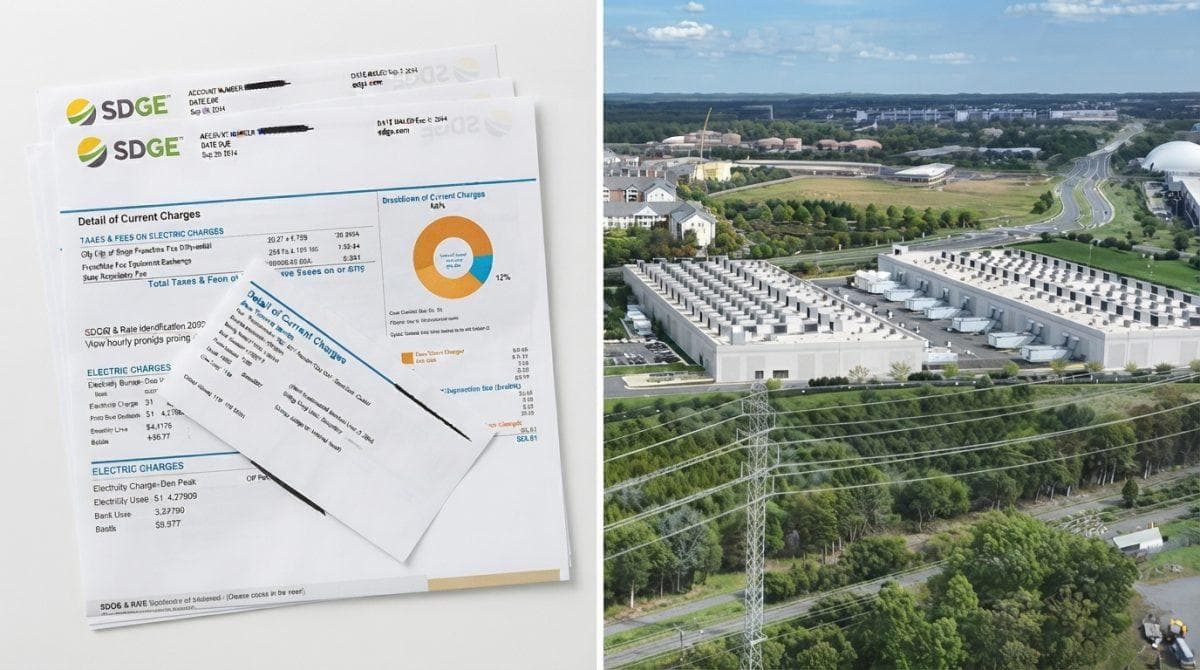
California changes the rules for data centers but what could it mean for your utility bills?
-
Utility bills reduction efforts drive Governor Gavin Newsom to sign 7 new bills protecting consumer rates from massive technological demands.
-
State authorities establish strict financial safeguards preventing residential and commercial ratepayers from subsidizing high-tech grid upgrades and massive water consumption.
-
Industry representatives voice concerns over potential development shifts to neighboring states while municipal leaders welcome enhanced local evaluation capabilities.
Governor Gavin Newsom signs 7 groundbreaking bills to regulate California data centers across the rapidly expanding technology infrastructure sector, establishing stringent oversight regarding electrical costs and environmental resources; furthermore, state officials implement these mandates to prevent local utility bills from skyrocketing due to the financial burden of massive grid expansions driven by artificial intelligence advancements.
California data centers regulatory framework and electricity protections
Lawmakers designed this comprehensive legislative package to require technology corporations to fully finance the generation capacity, wildfire mitigation programs, and transmission upgrades necessary for their operations; additionally, operators must contribute directly to public safety initiatives while ensuring that everyday residents and small businesses remain completely shielded from surging energy expenses that inflate regular utility bills.
State energy agencies, including the California Energy Commission, publish annual efficiency reports tracking the exact power draw of every facility across the state, demanding unprecedented accountability from corporate developers; meanwhile, economic analysts observe that balancing technological growth with consumer protection requires aggressive oversight of electrical grids to maintain regional stability and stabilize household utility bills.
Environmental resource management and water conservation standards
-
Requiring developers to submit detailed water volume declarations and local source origins before securing official construction permits.
-
Mandating comprehensive hydrologic impact assessments alongside emergency contingency plans addressing potential municipal water shortages.
-
Assigning 100% of the financial responsibility for local water supply expansions directly to corporate facility developers rather than taxpayers funding municipal utility bills.
-
Enforcing strict reporting mechanisms regarding land utilization and regional workforce demands across all participating jurisdictions.
-
Incorporating mandatory clean energy procurement requirements to integrate renewable power sources into local electrical grids smoothly.
-
Providing municipal governments with advanced evaluation tools to assess the environmental footprint of proposed California data centers accurately.
Environmental advocates praise the inclusion of rigorous water conservation benchmarks, noting that transparent resource tracking protects vital community supplies during prolonged dry spells; nonetheless, commercial groups warn that compliance costs might encourage developers to pursue expansion opportunities outside the state while managing soaring utility bills.
Utility bills market impacts and industry responses across regional markets
Industry representatives from trade organizations argue that these new regulatory hurdles introduce significant operational uncertainties that could diminish the state’s competitive edge in the technology sector; furthermore, corporate advocates caution that stricter mandates might prompt firms to redirect capital investments toward neighboring jurisdictions while trying to keep operational utility bills manageable.
Public officials maintain that sustainable growth must prioritize community well-being over unchecked corporate expansion, ensuring long-term economic stability and affordable utility bills for all stakeholders involved in California data centers.
