

WATCH NOW
Watch on the app












Popular California beach remains open but officials warn visitors about dangers they may not see
-
Dangerous coastal conditions at Point Dume State Beach prompt municipal authorities in Malibu to issue urgent safety warnings as severe erosion exposes heavy structures along the sand.
-
City officials in Malibu report that intense wave action and lingering environmental impacts have left hazardous debris and steep drop-offs across popular recreational shorelines.
-
Environmental researchers from the University of California and Scripps Institution of Oceanography monitor ongoing coastal vulnerabilities driven by active winter weather patterns.
Municipal authorities in Malibu issue urgent safety advisories for visitors planning trips to Point Dume State Beach because severe erosion exposes heavy structures along the sand; furthermore, erosion beginning near Westward Beach Road leaves exposed pilings, concrete and steel along the water, while city officials utilizing X confirm that navigating dangers at a California beach requires extreme caution since hazardous locations leave little to no sandy walking space except during low tide, highlighting the risks of a dangerous California beach.
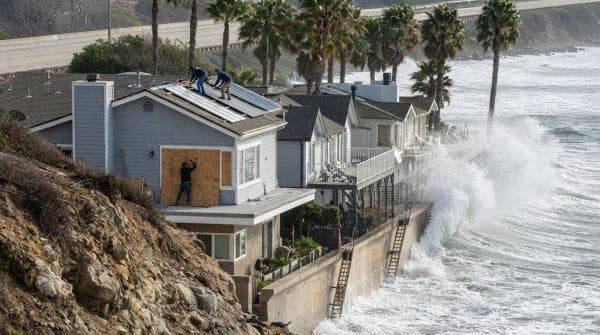
Although the destination stays open for public access, the road leading to the main parking lot remains temporarily closed; moreover, regional experts strongly recommend consulting local lifeguards regarding safety parameters before entering the water or walking near unstable cliffs, while Brett Sanders, an expert from the University of California, Irvine, explains that this winter season brings unprecedented stress to southern California infrastructure, following an intense storm that previously opened a 10 ft sinkhole near actor Nicholas Cage’s beachfront home.
Ver esta publicación en Instagram
Monitoring Pacific climate patterns and dangerous coastal conditions
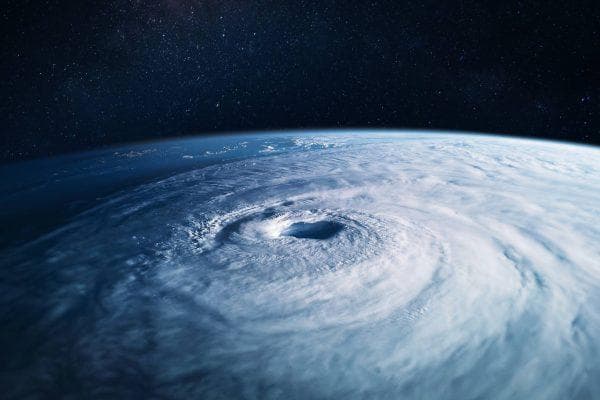
Climatologists monitor atmospheric and oceanic changes closely because active El Niño cycles dictate winter weather intensity across the Pacific; thus, specialized researchers evaluate meteorological data constantly to issue timely advisories for vulnerable coastal neighborhoods, emphasizing that prolonged marine heatwaves and active storm tracks fuel massive wave energy, while dangerous coastal conditions demand continuous vigilance across every zone.
Furthermore, civic groups ensure residents and visitors prioritize safety while coastal communities accelerate emergency stabilization efforts. Alexander Gershunov, a climate researcher at the Scripps Institution of Oceanography, explains to reporters that winters influenced by El Niño generate a significantly more stormy northeastern Pacific with heavy wave action; additionally, federal scientists at the National Oceanic and Atmospheric Administration note that strong El Niño patterns carry a 90% probability of intensifying through late 2026, with a 75% chance of representing the most intense event since 1950, while regional authorities urge communities to respect posted warning signs near damaged beachfront properties.
Understanding local erosion impacts
Climatological institutes report significant environmental pressures across multiple monitoring stations throughout southern California; meanwhile, regional data collection hubs document extensive infrastructure vulnerabilities as high tides coincide with incoming winter storms, estimating through advanced coastal monitoring systems that sea levels will maintain elevated thresholds roughly 6 in above normal averages since March, while dangerous coastal conditions demand immediate attention from local managers. Municipal leaders emphasize that unusually powerful storm activity and severe wave impacts cause these stabilization challenges directly; furthermore, civic authorities maintain active safety watches throughout vulnerable neighborhoods while monitoring continuous hydrological updates, ensuring that local populations navigate these structural hazards safely across all municipal sectors.
As a preventive measure, city administrators in Carlsbad already declare a local emergency to accelerate coastal stabilization efforts proactively before environmental challenges escalate further; moreover, Adam Young, a climate investigator at the Scripps Institution of Oceanography, warns that current events serve as an urgent wake-up call regarding severe winter threats, noting that peak high tides between November and December will coincide with storms and dangerous coastal conditions continue to challenge regional emergency responders. Specialized maintenance teams deploy heavy machinery continuously to reinforce weakened coastal barriers; consequently, civic leaders prioritize infrastructural resilience while mitigating environmental risks effectively, keeping emergency supplies ready for broader regional weather shifts driven by equatorial Pacific temperature anomalies.

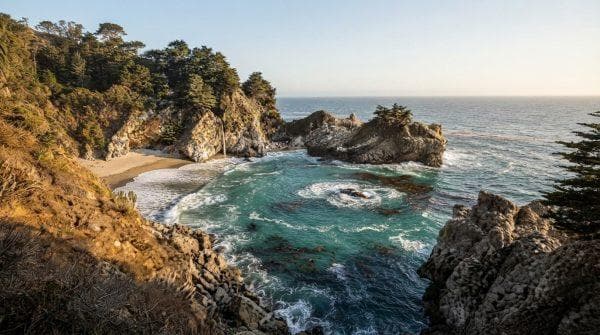
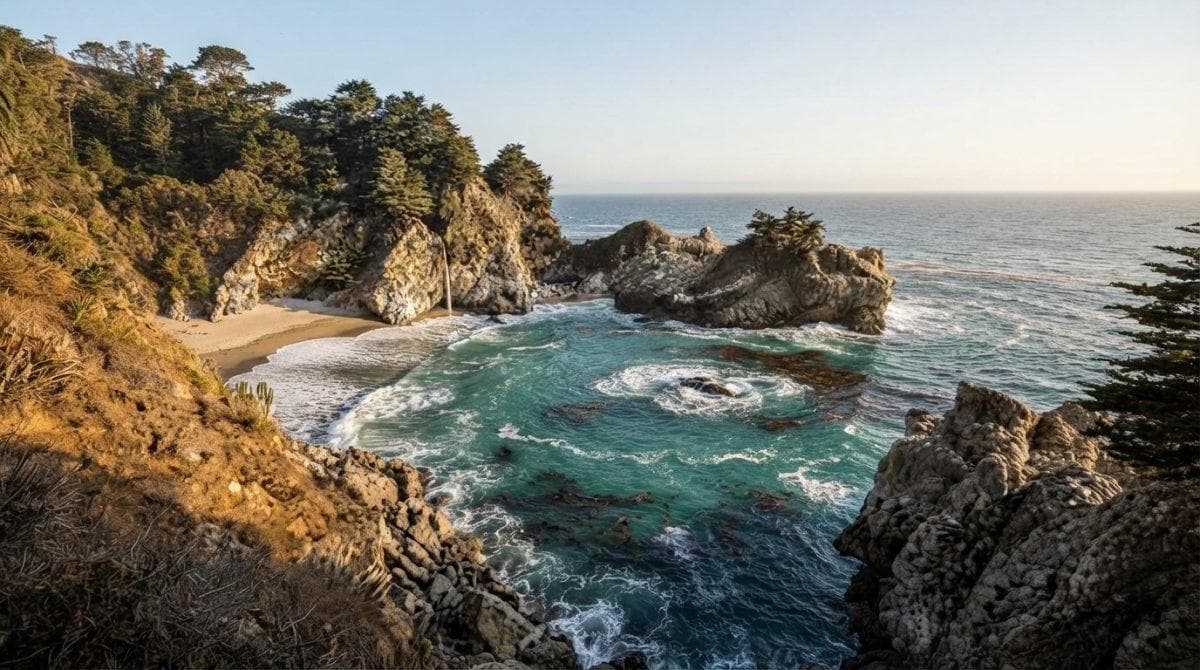
Rugged Malibu coastline, popular yet full of dangers at a California beach.
Essential preparedness protocols for dangerous coastal conditions and safety
-
Civic authorities recommend inspecting residential and commercial shore protection systems proactively to prevent localized structural failures during heavy swells, especially when facing dangers at a California beach along public access routes; furthermore, public works departments urge citizens to report exposed debris immediately, noting that dangerous coastal conditions persist everywhere.
-
Environmental scientists advise beachgoers to maintain safe distances from unstable cliffs and sharp concrete remnants when navigating wet coastal pathways; moreover, local patrols enforce strict caution advisories across major recreational corridors.
-
Municipal utility providers urge residents to secure coastal properties safely before high-wind conditions and severe ocean surges arrive; additionally, maintenance crews inspect coastal infrastructure continuously to prevent unexpected hazards.
- Emergency management agencies suggest keeping emergency supply kits stocked with fresh drinking water and communication devices; therefore, households maintain full preparedness for sudden weather disruptions linked to dangerous coastal conditions, remaining ever mindful of a dangers at a California beach and the ongoing vulnerabilities at Point Dume State Beach in Malibu.
