

WATCH NOW
Watch on the app















World Cup 2026 power rankings: who really looks like the team to beat?
-
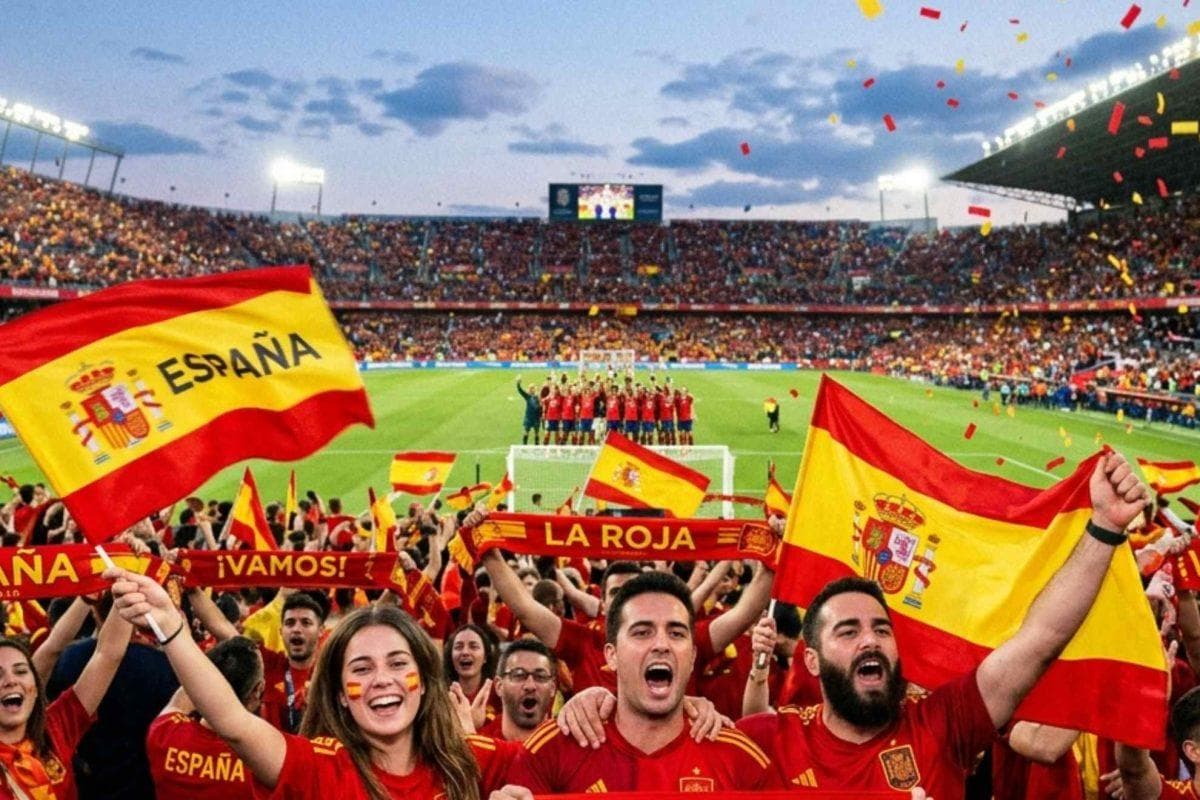
Spain consolidates its position as the number one team in the world rankings following its dominance in the Euro and the Nations League.
-
Brazil and Germany trail Luis de la Fuente’s squad, showcasing a tactical renewal that positions them as the strongest challengers.
-
Argentina, the reigning world champion, sits in fifth place in the projections, while England maintains its hold on the fourth spot.
As the calendar moves closer to the grand 2026 event, FIFA power rankings and expert analyses have begun to more clearly define the true title contenders. Spain, under the guidance of Luis de la Fuente, currently tops all favorites lists thanks to a dynamic style of play that has already yielded continental success. “La Roja” stands out not only for its results but also for the consolidation of a system that appears flawless ahead of the tournament to be held in North America.
The heavyweight challengers
Immediately following the Spanish national team, Brazil appears as the highest-positioned South American competitor in second place. The “Canarinha” has managed to balance individual talent with a defensive discipline that makes them look fearsome in current projections. Meanwhile, Germany completes the podium in third position, proving that its restructuring process has paid off and that they are once again that competitive machine capable of silencing stadiums anywhere in the world.
The status of the giants
In a position that has sparked debate, England holds the fourth spot in the power rankings, remaining the most consistent force as Premier League talent translates to the international stage. However, the surprise for many is seeing Argentina in fifth place; despite being the defending champions, analysts suggest that the generational turnover and the management of their veteran figures are factors that place them slightly below the European powers at this point in the World Cup cycle.
Key performance drivers
This ESPN analysis goes beyond historical prestige, focusing on current performance metrics such as bench depth and tactical adaptability across different confederations. While France has slipped out of the top 5 due to recent inconsistency, the rise of teams like Germany is attributed to a squad rejuvenation that has injected speed into their transitions. The gap between the top five spots is so narrow that upcoming international friendlies and the physical condition of key stars in European leagues could redefine these hierarchies before the opening whistle at the inaugural match.
The road to North America
This ranking evaluates consistency in regional tournaments and current squad depth. With Spain as the team to beat, the remaining squads have room to maneuver and adjust their pieces before the final call ups. What remains clear is that any stumble in preparatory matches could significantly alter this order before the opening whistle in 2026.
