

WATCH NOW
Watch on the app









Chicago delivery robots were supposed to bring dinner but lawsuits claim they took something else
-
Lawsuits against robots filed in Cook County accuse automated delivery companies of capturing sensitive biometric data without consumer consent during route fulfillment.
-
Local residents claim environmental sensors and high definition cameras recorded facial and hand geometry during routine food delivery transactions across urban streets.
-
Legal experts warn that collecting financial compensation depends heavily on proving intentional privacy violations under strict state statutes.
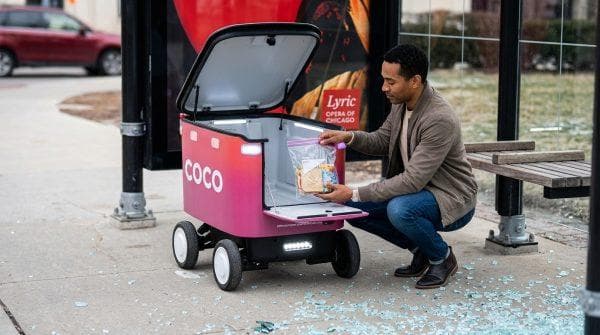
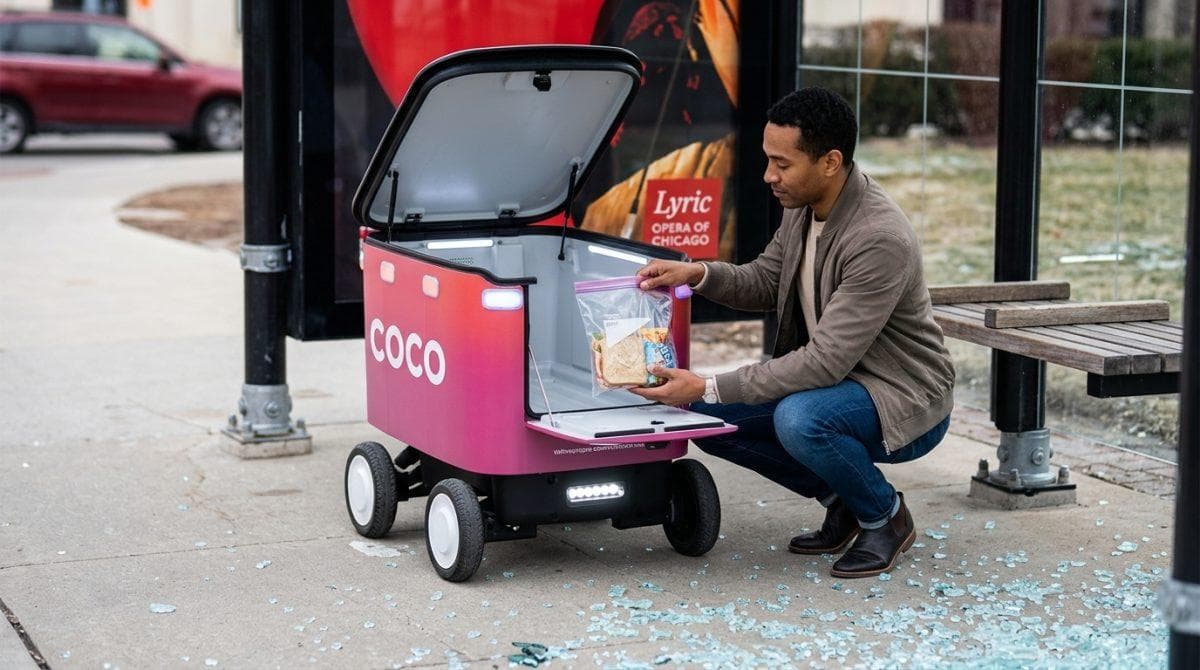
Hungry residents expecting a hot meal found themselves at the center of a major privacy controversy when Chicago delivery robots faced two class action lawsuits launched on October 9, 2026, in Cook County Circuit Court; consequently, plaintiffs Mitchell Breidinger and Barry Schain accuse autonomous machines operated by Coco Robotics and Serve Robotics of covertly scanning facial and hand geometry instead of simply transporting dinner.
Reacting to these alarming allegations reported by Associated Press, affected consumers demand heavy financial penalties for unauthorized biometric collection and data sharing; furthermore, legal representatives emphasize that companies allegedly retain captured imagery to train artificial intelligence models and distribute analytics to undisclosed third parties.
Ver esta publicación en Instagram
Chicago delivery robots spark intense legal scrutiny over privacy
Navigating neighborhood sidewalks became an unexpected surveillance risk as lawsuits against robots detail how automated units utilize advanced LiDAR sensors and high definition cameras; specifically, plaintiff Barry Schain discovered that autonomous operators harvested his personal information on October 4, 2026, via Uber Eats even though he never requested robotic fulfillment.
Meanwhile, corporate representatives strongly reject all accusations; specifically, a Coco Robotics spokesperson stated that their fleet never utilizes LiDAR technology in the city, while Serve Robotics representatives confirmed to ABC7 Chicago that their navigation systems lack facial recognition capabilities.
Dissecting biometric privacy laws and potential financial claims
Analyzing these conflicting accounts arising from active lawsuits against robots, attorneys investigate whether capturing visual imagery constitutes a direct violation of the Illinois Biometric Information Privacy Act; moreover, legal experts clarify that standard photographs remain exempt, meaning plaintiffs must prove that devices captured precise structural facial or hand geometry.
-
Strict statutory requirements mandate written consent before any private entity collects biometric identifiers.
-
Financial compensation claims outlined in active lawsuits against robots demand $1K for negligent breaches and up to $5K for reckless violations.
-
Operational assessments involving Chicago delivery robots provide clear verification of environmental sensor functions.
Accordingly, consumer advocates advise everyday users to review online privacy policies carefully and retain all delivery documentation when utilizing automated urban delivery services.
Ver esta publicación en Instagram
Navigating privacy protections amid lawsuits against robots
Ultimately, digital rights specialists note that resolving disputes tied to ongoing lawsuits against robots will establish critical legal precedents for autonomous commerce across major metropolitan areas; therefore, lawmakers urge greater transparency regarding how urban delivery fleets process environmental sensor data.
Subsequently, industry observers emphasize that consumers must remain vigilant about digital surveillance; specifically, technological audits of Chicago delivery robots will determine whether convenient meal delivery truly compromises personal privacy.
