

WATCH NOW
Watch on the app











Los Angeles’ cheapest apartments could be living on borrowed time as aging buildings face an uncertain future
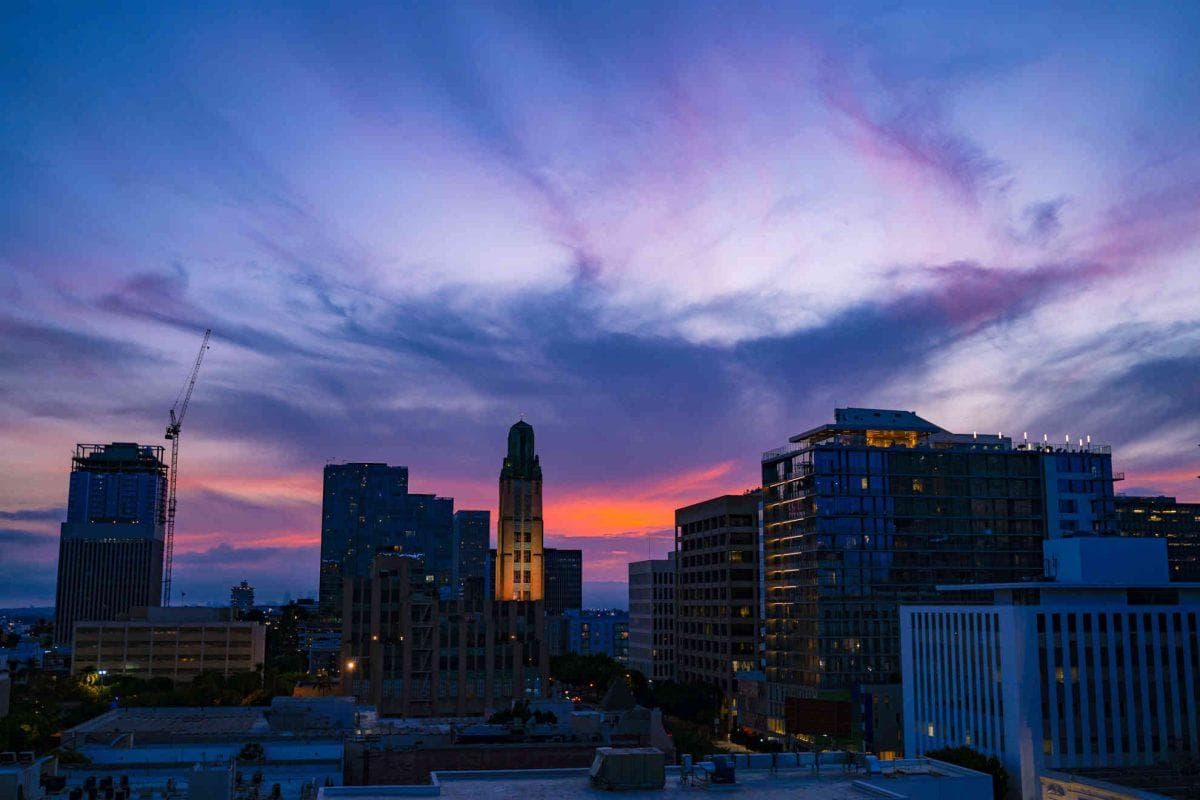
- Residential complexes offering cheap rentals in iconic areas of Los Angeles face a severe infrastructure crisis after decades of wear.
- Private investors and small property owners debate whether to repair aging buildings and condos or raise rents following years of deferred maintenance in California.
- Municipal programs and public initiatives seek to inject millions of dollars to rescue affordable housing prior to demolition.
The silent decay of aging residences housing thousands of workers in the city’s most coveted areas
Exposing a critical crossroad for the local real estate market, old apartments and condos that historically guaranteed the cheapest rentals in the county find themselves trapped in an accelerated structural wear process. In this regard, a revealing report from the University of Southern California’s Lusk Center for Real Estate warns that hundreds of thousands of housing units lacking state subsidies face demolition risks or threaten to become uninhabitable unless urgent interventions take place. Furthermore, the low frequency of new multifamily project construction over recent decades caused average building age in Los Angeles to exceed 58 years, easily surpassing the statewide average across California and leaving vulnerable sectors devoid of housing alternatives amidst scarce cheap rentals and affordable housing.
At-risk communities concentrating the highest volume of economic apartments and their owners’ financial pressures
Similarly, analyzing the geographic distribution of the problem, iconic Los Angeles neighborhoods like Koreatown, Mid-City, Hollywood, Studio City, Burbank, and Glendale concentrate over half of the available affordable housing and economic lodging options within the real estate market. Nevertheless, keeping these small buildings and old condos ranging from five to 19 apartments standing represents a titanic financial challenge for small owners, who typically lack necessary funds to execute remodels following post-COVID-19 operational cost surges. Consequently, facing an inability to finance repair works, numerous owners choose selling properties to private corporations seeking higher rent prices or the demolition of existing structures to build luxury complexes, drastically cutting down the supply of cheap rentals still surviving in Los Angeles and complicating the outlook throughout California.
Municipal strategies and public funds designated to preserve affordable housing without displacing residents
On the other hand, seeking to mitigate this housing crisis impact, the municipal administration began streamlining bureaucratic procedures and injecting economic resources originating from Measure ULA to back the preservation of properties facing demolition threats; with over 1.4 billion dollars collected via high-value real estate transfer taxes, authorities aim to grant subsidies to land trusts and non-profit developers meant for repairing roofs, electrical systems and plumbing across the most vulnerable complexes to avert demolition. Thus, the progressive rollout of state regulations such as Senate Bill 79 attempts balancing high residential density near transit hubs alongside protecting working families depending on cheap rentals and affordable housing inside the real estate market so they stay close to jobs in Los Angeles, thereby ensuring that this vital California housing stock does not vanish completely.
