

WATCH NOW
Watch on the app












Florida’s plan to make homeownership cheaper could make renting more expensive
-
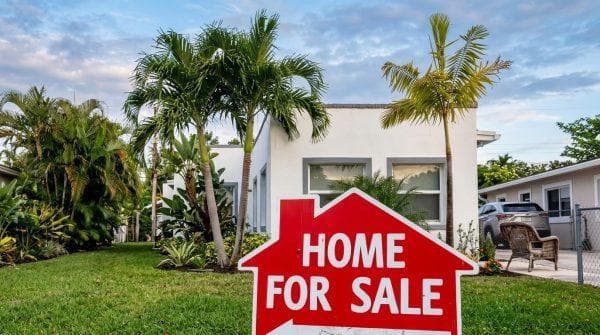
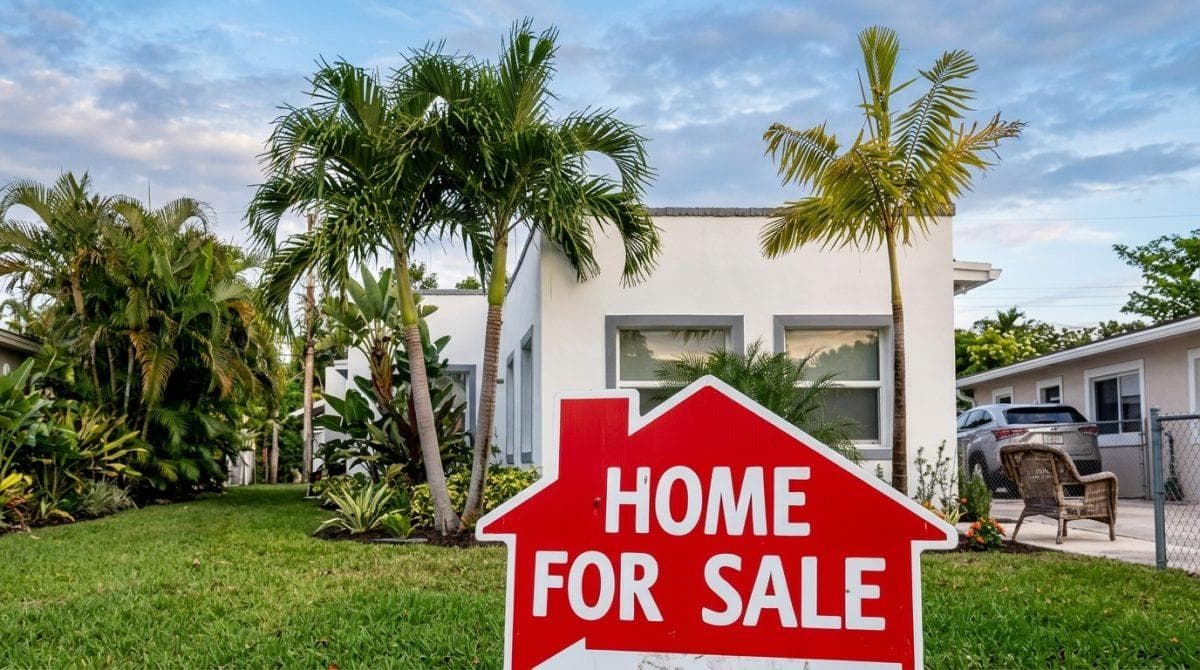
Owning a home in Florida might become more affordable under Amendment 3, but this property tax relief proposal could push up living costs for rental households across urban counties.
-
Local governments face a massive revenue shortfall that will force steep tax adjustments on commercial and residential rental units.
-
Civic advocates and economic analysts warn that the absence of tenant protections allows landlords to shift higher property taxes onto monthly rent checks.
State lawmakers spark intense legislative debates around Amendment 3 because Renting could be more expensive for roughly 470,000 families across Miami Dade County, as supporters argue that tripling the non school property tax exemption from just over $50,000 to $150,000 during its first year, and up to $250,000 by 2028, increases homeownership affordability; meanwhile, critics counter that the measure excludes rental units, inflates housing prices, hurts first time buyers and drains local government budgets.
In addition, technical projections by Jared Walczak, senior fellow at the Tax Foundation and president of Walczak Policy Consulting, show that municipal governments could lose up to $8.7B in tax revenues by 2028; consequently, this severe funding drop will force cities to trim emergency services, public hospitals, libraries, parks and transit operations, or otherwise raise property taxes on commercial sites, second homes, and rental properties.
Impact of Amendment 3 on tenant financial stability
While state legislators attempt to reduce the financial burdens of owning a home in Florida through new tax exemptions, Walczak’s analysis of state land records shows that apartment owners face a $406 annual tax hike per unit statewide, with landlords of single family rentals facing over $1,000 in additional property taxes each year; as a result, property owners will pass 60% to 100% of these new tax burdens to tenants, driving up annual rents by an estimated 9%, or $291 for apartments and nearly $1,200 for single family homes, in Miami Dade County.
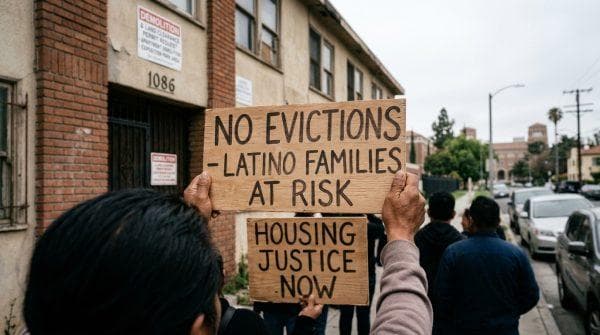
Conversely, Broward County faces an even harsher tax squeeze because its revenue base relies heavily on homesteaded primary residences, threatening landlords with a 15% tax increase; similarly, Camilo Mejía, policy director at Catalyst Miami, emphasizes that the current ballot wording includes zero rent caps or tenant safeguards, leaving vulnerable families exposed to unavoidable rent hikes.
@SOSFLNOON3 🚨 Disinformation. Florida Amendment 3 gives relief to the most modest homes in the state and does NOT insulate luxury homestead properties in the least. In fact, if luxury homestead properties derive any benefit it will be a rounding error on their property taxes.
— James V. Barcia (@jamesbarcia) October 19, 2026
Budgetary consequences for Florida municipal administrations
Local government bodies struggle to balance their annual budgets without disrupting essential services, especially since shifting the financial dynamics of owning a home in Florida requires a 60% supermajority at the voting booth on election day; likewise, state financial models illustrate the primary adjustment channels that municipal districts will use to maintain daily operations and avoid financial ruin:
-
Targeted tax increases on commercial spaces, multi unit apartments and secondary investment properties.
-
Significant spending cuts affecting public health facilities, municipal parks, libraries and public transportation.
-
Gradual rate hikes on local sales taxes and municipal fees to offset primary residence revenue losses.
-
Direct tax pass throughs ensuring Renting could be more expensive for residential tenants throughout the state.
Ver esta publicación en Instagram
Tax rates, overall cost of living and why renting could be more expensive
Public opinion polling from the University of North Florida shows 50% of likely voters supporting the measure, 35% opposing it and 14% remaining undecided; meaning this vote directly shapes regional real estate conditions and the long term outlook for owning a home in Florida whenever cities add tax surcharges onto rental property owners to fund local services.
Furthermore, economic analysts maintain that consumers ultimately pay for tax hikes levied on commercial real estate, as the lack of explicit legal guarantees in this tax plan leaves the door open for owner relief to turn into a scenario where Renting could be more expensive.
