

WATCH NOW
Watch on the app






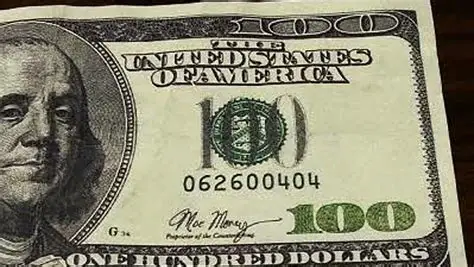




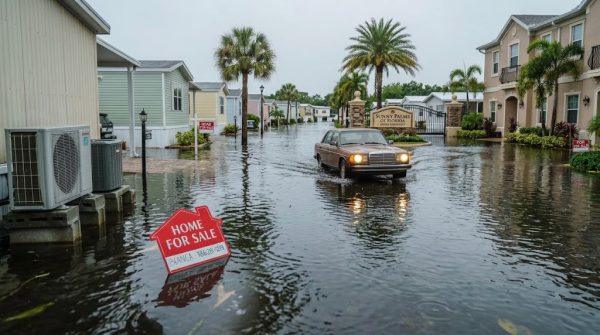
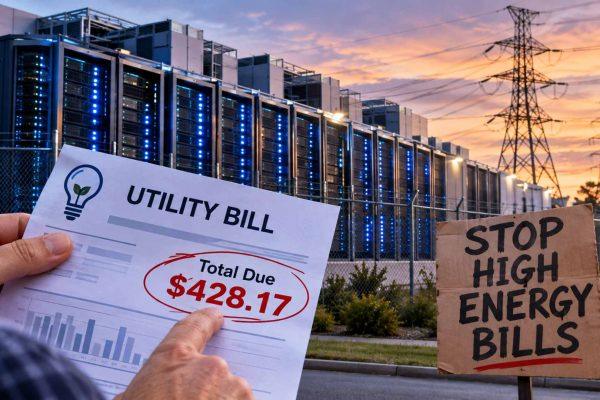

Your summer electricity bill is about to hit harder and families in the South may suffer the most
-
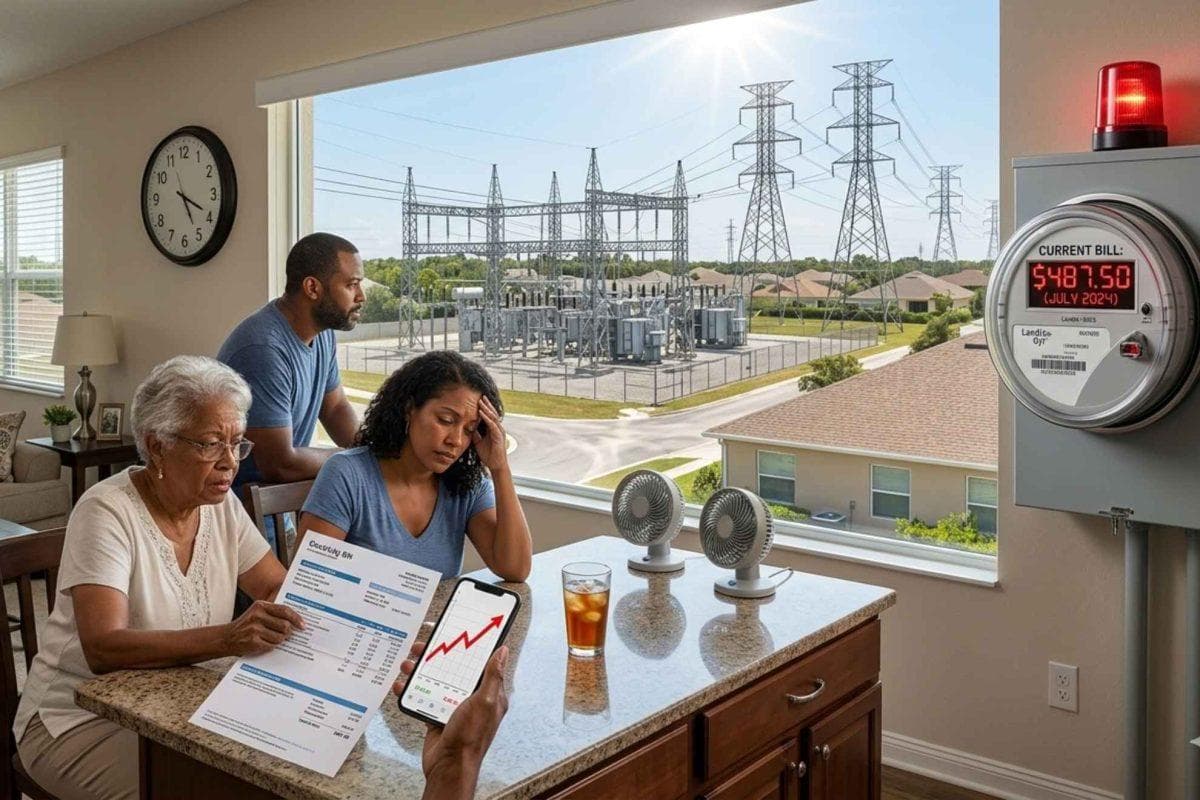
U.S. household electricity bills are projected to rise by an average of 8.5% between June and September, representing an estimated cost of $778 for the season.
-
The combination of extreme temperatures, the modernization of power grids and the growing demand from AI data centers is driving prices above general inflation.
-
Families in states such as Florida, Texas, and the Carolinas will suffer the most severe adjustments, facing bills that could exceed $920 due to intensive air conditioning use.
The summer of 2026 will bring a significant economic challenge for millions of families in the United States, as a substantial increase in energy costs is expected to affect the country’s regions unevenly. According to projections from the National Energy Assistance Directors Association cited by the New York Times, the average 8.5% increase is the result of a perfect storm of factors, ranging from the need to upgrade aging infrastructure to the impact of extreme heat driven by climate change. This situation is especially concerning considering that electricity costs are outpacing general inflation, worsening the financial burden on consumers who already allocate a significant portion of their income to household maintenance.
Regional impact and the crisis in the south
Although the rise is nationwide, the Southern United States is bracing for the hardest hit due to absolute dependence on air conditioning during the summer months. In states like Florida, Georgia, and the Carolinas, citizens could face adjustments of up to 13.5%, raising seasonal spending to around $860, while in Texas and Oklahoma, an 11.5% hike could push bills as high as $924. This regional disparity underscores the vulnerability of warmer climate zones, where electricity is not a luxury but a vital necessity for survival, especially in a landscape where one in six U.S. households already carries debt from previous utility bills.
External factors and federal assistance measures
Despite international conflicts, such as tensions in Iran, causing volatility in global fuel prices, experts note that domestic natural gas has remained relatively stable, though they warn that prolonged geopolitical instability could increase exposure to future price spikes. In the face of this economic pressure, homeowners and renters with limited incomes can turn to the Low Income Home Energy Assistance Program (LIHEAP), a federal program providing support to families with incomes up to 150% of the federal poverty level. This assistance becomes crucial in an environment where cooling has become persistently expensive, forcing authorities to centralize resources to prevent massive power shutoffs during heatwaves.
Practical recommendations for energy efficiency
To mitigate the financial blow, specialists insist that the most effective strategy is the direct reduction of consumption through simple, low cost home infrastructure improvements. Actions such as regularly changing air filters, installing weatherstripping and shading windows can optimize air conditioning performance, preventing the system from overworking and unnecessarily driving up the bill. Additionally, it is recommended to set the thermostat between 70 and 78°F (21 to 25°C) when people are present, as every degree of difference can represent approximately a 3% saving, allowing the adoption of conscious habits and efficient technologies to help cushion this summer’s imminent rate shock.
