

WATCH NOW
Watch on the app















AI data centers could face tougher rules as Americans push back over electricity bills
-
Victorious midterm candidates pledge to implement strict regulatory oversight on high power artificial intelligence facilities.
-
Thirty two newly elected governors support imposing bans, moratoriums or utility price protections against tech developers.
-
Financial markets react negatively as Wall Street fears project delays across major domestic data center markets.
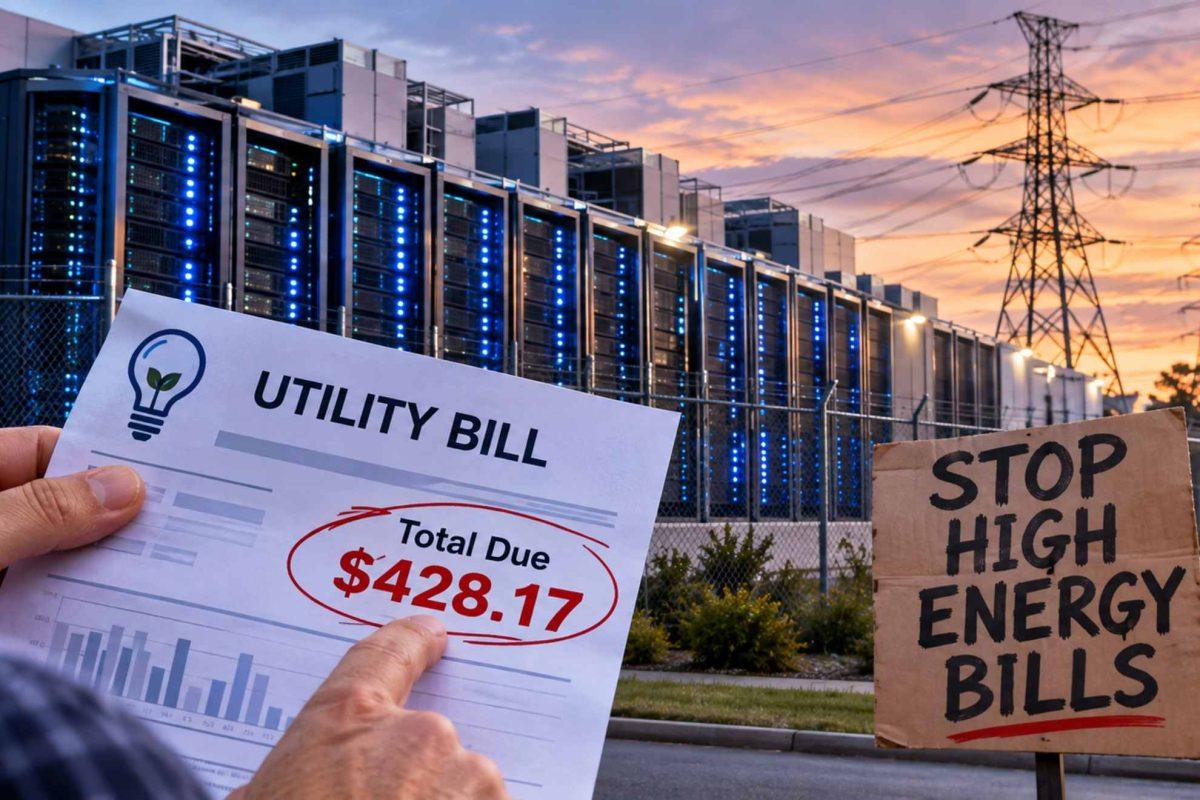
The rapid construction of artificial intelligence infrastructure across the United States faces an uncertain regulatory future following the decisive outcomes of the recent midterm elections. Mounting public outrage regarding rising residential electricity bills and local water resource depletion positioned tech development as a key campaign topic. The overwhelming victory of candidates who campaigned on regulating massive compute facilities signals a sharp policy transition toward strict state level oversight for high tech developers.
Ver esta publicación en Instagram
Voter frustration driving state executive policies
Public concern over energy costs and resource sustainability propelled restrictive platform candidates to victory across critical markets including Texas, Ohio, Nevada, Wisconsin, and Georgia. Post election analysis indicates that thirty two of thirty four incoming governors support tougher operational constraints, with twelve endorsing immediate construction moratoriums. In agricultural and drought prone regions, voter turnout reflected a clear preference for protecting municipal water supplies and utility rates over offering tax exemptions to computing conglomerates.
Financial market anxiety and proactive corporate responses
The prospect of widespread legislative restrictions triggered immediate market reactions, pushing technology heavy stock indexes lower as analysts forecast potential project delays. In response to shifting political dynamics, leading industry organizations and major AI developers have released updated community commitment frameworks. These proposals aim to establish clear national standards that guarantee ratepayer protections and municipal consent, attempting to preserve local trust while avoiding complete moratoriums on critical digital infrastructure.
Ver esta publicación en Instagram
Balancing technological leadership with energy grid limits
The newly formed legislative landscape forces the artificial intelligence sector to reconcile its massive computing demands with regional energy capacity. Incoming state executives in traditional tech hubs have asserted that future facility permits will require direct community input and proven local economic value. Navigating this strict regulatory framework will determine how effectively developers can expand computing capacity while addressing public demands for utility affordability and environmental protection.
