

WATCH NOW
Watch on the app


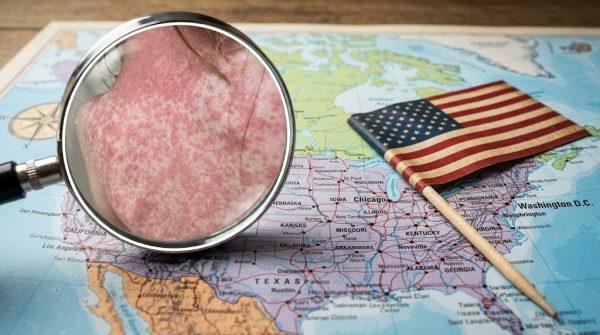










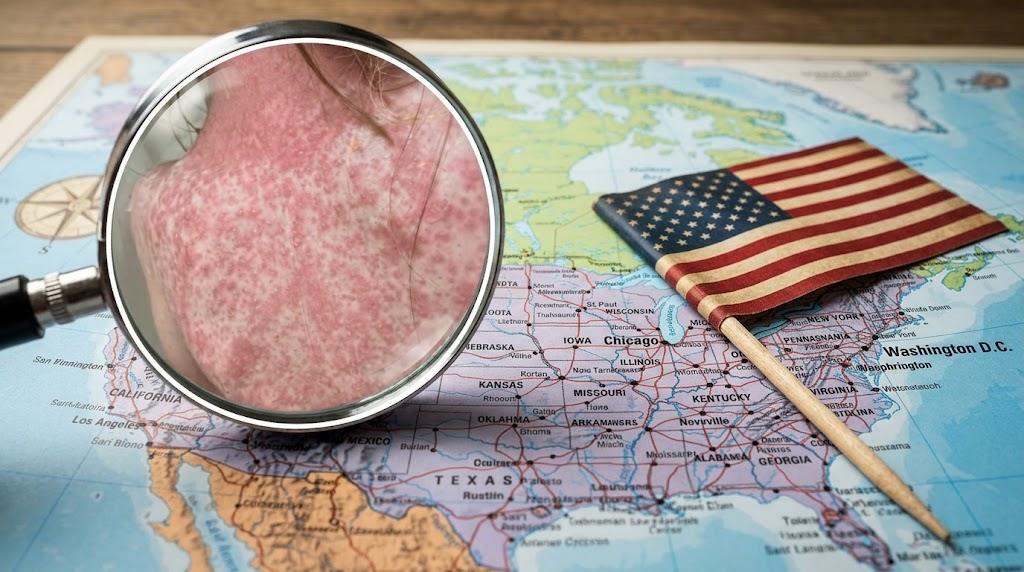
A disease once eliminated in the U.S. is spreading again with thousands now infected
-
Thousands now infected across multiple states as public health agencies warn of unprecedented viral propagation.
-
Federal officials confirm seven measles fatalities during the worst national outbreak since 1991.
-
School immunization drops below 93%, threatening the historic viral elimination status achieved in 2000.
Federal health agencies confirm that eradicated disease returns to American soil with alarming speed after tracking over 4.8K measles cases across 45 states and Washington, D.C; consequently, national surveillance networks report more than double the cases recorded in 2025 alongside seven confirmed fatalities so far in 2026, according to official outbreak reports published by ABC News and the Centers for Disease Control and Prevention.
Additionally, medical networks report severe viral spread unseen since 1991 following six deaths in Pennsylvania, alongside the tragic death of an unvaccinated seven month old baby boy in Lewis County, marking New York’s first pediatric fatality in over three decades after the state declared an emergency on Oct. 5, and a concurrent infant casualty in Wisconsin; moreover, hospitalizations reached 11% among school age children between 5 and 19 representing 41% of cases while adults over 20 accounted for another 41%, up from 29% in 2025, while 96% of all patients lacked vaccination documentation.
Furthermore, physicians stress airborne transmission occurs through respiratory droplets floating in enclosed spaces for up to 2 hours; likewise, specialists warn infected individuals infect 90% of contacts while spreading the virus 4 days before and 4 days after rash onset.
Clinical progression observed as thousands now infected nationwide
Symptom onset occurs between 10 and 21 days following viral exposure:
-
Sudden high fever: Body temperature spikes rapidly to 40 °C during initial disease stages.
-
Respiratory and ocular distress: Coughing, nasal discharge and red watery eyes characterize early viral manifestation.
-
Koplik spots appearance: Small white lesions emerge inside the cheeks between days two and three.
-
Spreading body rash: Red eruptions begin on the scalp before moving to the neck, chest, arms and legs.
-
Secondary fever spikes: High body temperature exceeds 40 °C again when the rash fully develops.
-
Escalating risks as thousands now infected: Worsening symptoms increase urgent hospital admission rates in affected regions.
-
Unvaccinated patient vulnerability: Severe clinical complications impact non immunized individuals primarily across all age brackets.
On the other hand, early viral signs mimic common respiratory infections before developing severe systemic manifestations; in fact, medical teams urge immediate isolation upon observing white oral lesions to protect emergency rooms and schools. On top of that, early intervention prevents rapid community transmission among vulnerable populations.
Critical complications linked to how eradicated disease returns
Public health officials warn measles triggers severe long term neurological damage and fatal secondary infections:
-
Severe respiratory failure: Pediatric pneumonia remains the primary cause of death linked to this outbreak.
-
Acute brain inflammation: Encephalitis causes permanent neurological damage and potential death in high risk patients.
-
Auditory and digestive complications: Ear infections, permanent hearing loss and severe diarrhea represent the most frequent symptoms.
-
Maternal health risks: Infection during pregnancy triggers premature labor and low birthweight in newborns.
-
Widespread multi state impact: Regional health systems struggle because thousands now infected require intensive monitoring.
-
Symptomatic care protocols: Hospital treatments focus on maintaining hydration and preventing secondary bacterial infections.
Meanwhile, Pennsylvania remains the epicenter with over 1.4K cases and six deaths while New York and Wisconsin monitor their first fatalities in over three decades; indeed, clinical teams prioritize pediatric respiratory support to avoid fatal pulmonary failures. Besides that, the absence of specific antiviral drugs forces medical centers to rely heavily on supportive care.
Vaccination coverage is dropping
Immunization through MMR and MMRV vaccines, which includes varicella protection, offers the most effective defense against viral transmission; specifically, a single dose provides 93% protection while the complete two dose series increases efficacy to 97% under standard CDC schedules.
In addition, kindergarten vaccination rates dropped from 95.2% during the 2019-2020 school year to 92.7% in 2023-2024, falling below the 95% threshold required for herd immunity; precisely, health authorities recommend giving the first dose between 12 and 15 months, the second between 4 and 6 years, offering early doses for infants aged 6 to 11 months traveling to active outbreak zones and providing adult boosters to protect the 12 month continuous transmission clearance achieved in 2000 as eradicated disease returns.
