

WATCH NOW
Watch on the app












Great Pacific Garbage Patch is changing color and scientists may have found out why
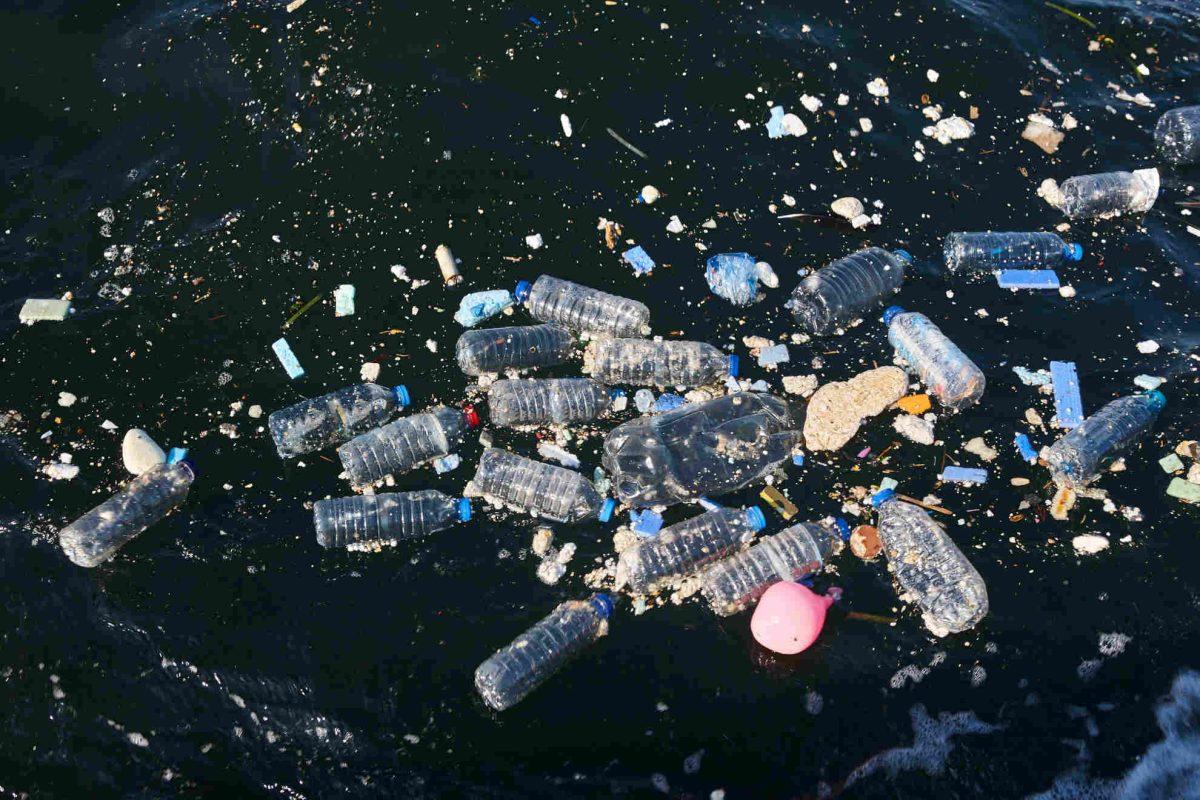
- Two decades of space records reveal a chromatic alteration or color change of the Great Pacific Garbage Patch toward a cyan tone in the subtropical gyre located between Hawaii and The United States.
- Researchers at the University of Bergen point out that microplastics suspended in the water alter light absorption and scattering.
- This scientific breakthrough could solve the so-called missing plastic paradox by facilitating satellite tracking of marine pollution.
The space and optical trail exposing ocean pollution
The immense accumulation of floating debris known as the Great Pacific Garbage Patch began leaving a visible footprint from space, defying traditional metrics of modern oceanography following a rigorous satellite analysis conducted by experts from the University of Bergen. During an evaluation period spanning between 2002 and 2022, scientists detected a simultaneous brightness in the blue and green bands of the light spectrum inside the subtropical gyre located between Hawaii and The United States, generating a distinctive cyan hue that strongly caught the attention of researchers on the ground. This optical color change phenomenon, recently documented in specialized publications, suggests that the massive presence of floating particles or microplastics in the Great Pacific Garbage Patch is subtly yet constantly modifying the reflective properties of ocean water, opening the door to new large-scale environmental monitoring methodologies.
Why microplastics explain chromatic alteration according to science
To decipher the exact causes behind this disconcerting color change, the academic team from the University of Bergen developed advanced computer simulations designed to exclude natural variables like phytoplankton or dissolved organic matter, demonstrating that only by integrating microplastics as an active optical variable could the models faithfully reproduce the observed cyan signal.
Furthermore, the fundamental reason for this alteration lies in the physical capacity possessed by these microscopic fragments, derived from solar wear and wave action on nets and containers, to absorb and scatter sunlight in a very specific manner that orbiting remote sensors manage to capture with precision, thus transforming the visual appearance of the Great Pacific Garbage Patch. Although specialists warn that conducting field campaigns and direct in-situ measurements remains essential to confirm the definitive link, this solid hypothesis regarding microplastics represents a giant step toward understanding the true magnitude of marine pollution accumulating across the entire planet.
Ver esta publicación en Instagram
Toward a new era in satellite detection of the plastic paradox
On the other hand, the possibility of tracking invisible pollutants to the naked eye from space could completely revolutionize how the international community fights environmental deterioration and marine pollution, offering a technological solution frente to slow and costly traditional methods based on manual collection of liquid samples. If this direct relationship is fully validated through future scientific expeditions to the Great Pacific Garbage Patch, governmental and commercial satellites would serve to prioritize critical cleanup areas and monitor the drift of microplastics over the years, shedding light on the whereabouts of millions of tons of polymers that seem to vanish after entering marine ecosystems. In this way, deciphering the secrets behind the color change of the Great Pacific Garbage Patch not only broadens our knowledge regarding ocean health, but also equips experts with an unprecedented tool to protect the future of global biodiversity.
