

WATCH NOW
Watch on the app















Sleeping with the TV on, this is what happens to your brain while you dream
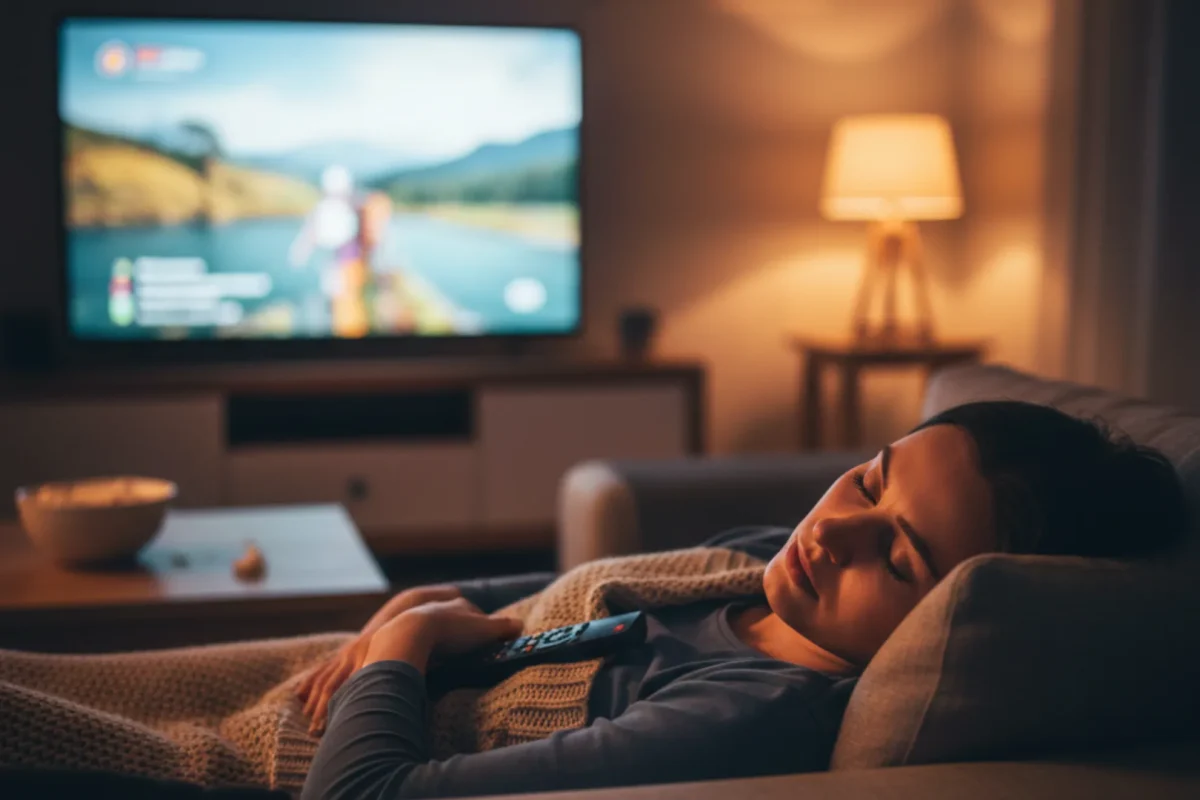
After a long day, turning on the TV in the living room or bedroom and falling asleep mid series is a common ritual. But what seems like a harmless habit could be sabotaging your mental and physical health. Sleep experts have revealed that sleeping with the TV on is far more harmful than we imagine, as it prevents your brain from reaching the deep rest phases essential for recovery. This practice not only results in superficial sleep but has noticeable effects on long term quality of life.
The silent sabotage of light and sound
Even with your eyes closed, the blue light and sound from the screen send alert signals to the brain, keeping the system active. The screen’s light tells your brain that it is still daytime, drastically reducing the secretion of melatonin, the essential hormone that helps you fall and stay asleep. Consequently, the brain struggles to enter the deep sleep stages (REM phases), which are vital for physical and, especially, mental recovery. The auditory and visual content maintains high cognitive stimulation, preventing total disconnection. This overstimulation generates a state of alertness that can result in nervous dreams, frequent awakenings, and a total disruption of your circadian rhythm (the internal biological clock).
The price of the television being on for your health
The impact of this poor rest is felt the next day and accumulates over time. Sleeping with the TV on can lead to constant fatigue, concentration problems, increased stress levels and blood pressure and even mood disorders in the long term. It is a bill the body pays for not allowing the necessary reset during the night.
The solution: Turn off the show before your brain does
Falling asleep with the TV on is usually unconscious. However, experts recommend incorporating a relaxing routine that re-educates the brain to associate darkness with rest. Try to ensure total darkness in the moments before sleep; if you are going to look at screens, do so well before bedtime. Instead of watching TV, opt for softer activities for the brain, such as reading a book or listening to quiet music. If you are someone who needs background noise, use the TV’s sleep timer to ensure it turns off automatically within 30 or 60 minutes, guaranteeing that silence and darkness accompany you during the crucial hours of REM sleep.
