

WATCH NOW
Watch on the app












Venezuelan designers overcome tragedy to make their mark at Miami Fashion Week
- Miami Fashion Week hosts international creators showcase at Freedom Tower, elevating South American couture.
-
Resilience and momentum define high fashion evolution across the region after overcoming severe natural disasters.
-
Global visibility drives commercial interest and long term market expansion for authentic cultural collections.
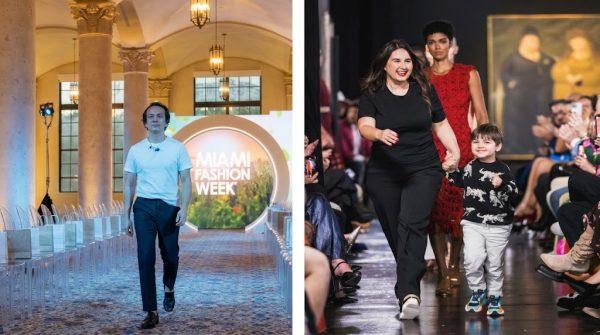
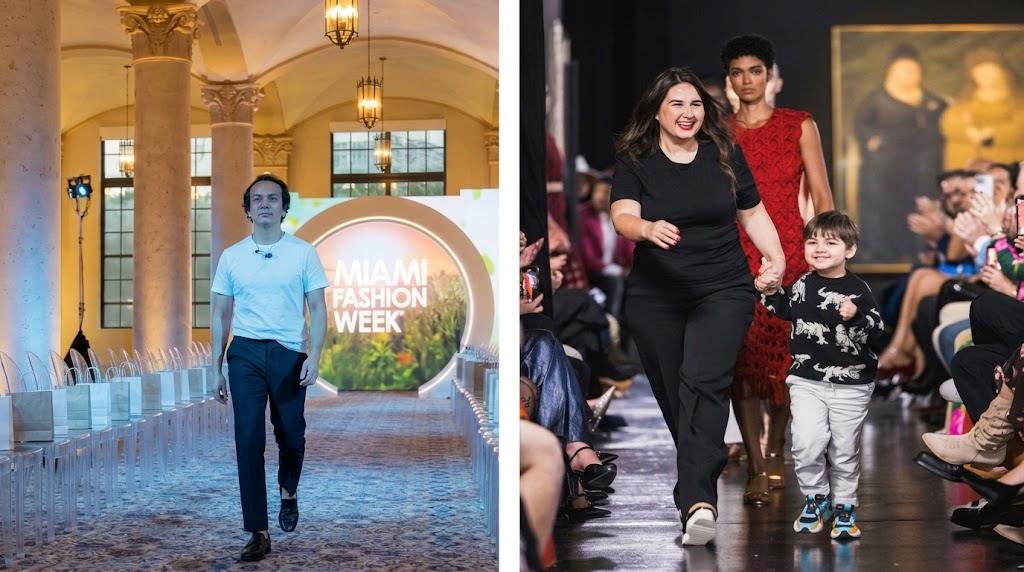
Venezuelan designers Efraín Mogollón and Yenny Bastida closed the prestigious Miami Fashion Week at the iconic Freedom Tower, overcoming complex personal and community tragedies following the June 24 earthquakes in La Guaira and Caracas. Their exclusive collection debuts marked a historical milestone inside the landmark 1925 building, where approximately 650K refugees found shelter between 1962 and 1974. Furthermore, Bastida’s lineup, titled Morena del alma, paid rich tribute to El Tocuyo’s tamunangue tradition through intricate vertical loom garments that immediately captured the attention of international buyers and Vogue fashion editors.
However, the aesthetic vision broke standard runway conventions by blending native elements like cascading floor length fringes with commercial denim fused to traditional two pedal handloom fabrics, proving remarkable artistic and commercial agility. The evening drew prominent industry leaders as attendees experienced high fashion craftsmanship, accompanied by live music from the Venezuelan cuatro and traditional maracas. Consequently, these creators built a vital platform for Caribbean fashion on the global stage, reinforcing the cultural weight of their devotional roots and the technical mastery of their workshops.
Miami Fashion Week drives sustainable luxury fashion forward
The Miami Fashion Week runway provided the ideal stage to unveil structural, highly innovative concepts, including a stand out dress crafted from an embroidered white altar tablecloth paired with a skirt made of deconstructed palm hats. Designer Efraín Mogollón mesmerized audiences with a refined collection balancing technical precision and elegance, demonstrating that creators can operate successfully from their home country even amidst challenging sociopolitical environments. Therefore, the enthusiastic reception from American buyers highlights strong market demand for authentic proposals that blend Hispanic heritage with modern urban trends.
Equally important, industry analysts note that these platforms strengthen global retail channels for Latin American talent, facilitating strategic partnerships with luxury stockists across North America and Europe. Accordingly, Bastida and Mogollón inspire emerging fashion houses looking to break into the U.S. market while preserving their authentic regional identity. Ultimately, independent brands continue to expand their textile offerings by pairing sustainable fibers with high end handmade processes, ensuring lasting competitiveness across major fashion circuits.
Ver esta publicación en Instagram
Yenny Bastida elevates Venezuelan craft from Lara to global runways
Yenny Bastida, originally from Sanare in Lara state, has established herself as one of the most visionary Venezuelan designers in sustainable luxury fashion. Her signature approach seamlessly integrates centuries old Venezuelan textile techniques with modern architectural silhouettes, honoring her regional heritage while building an international presence. Over her career, Bastida has participated in multiple editions of Miami Fashion Week, cementing her brand as a bridge between traditional South American craftsmanship and global luxury markets. In her latest Miami Fashion Week presentation, she mesmerized audiences by transforming traditional altar embroidery and deconstructed palm hats into high couture garments, demonstrating how ancestral techniques can thrive on contemporary international stages.
Ver esta publicación en Instagram
Equally important, industry analysts recognize Bastida for pioneering ethical fashion practices that empower rural artisan communities across Venezuela, particularly weavers specializing in traditional vertical and two pedal looms. Her collections consistently translate cultural folklore, such as the sacred tamunangue tradition, into commercial designs ranging from intricate knitwear to handcrafted denim statement pieces. Consequently, her continued participation in world class fashion platforms expands global distribution channels for Latin American design, proving that authentic storytelling and rigorous craftsmanship build lasting authority in modern fashion.
Ver esta publicación en Instagram
Cultural impact and commercial growth in high fashion
-
Artisanal preservation: Integrating traditional two pedal looms strengthens local weaving economies and preserves generations old techniques.
-
Global market authority: Showcasing at high profile venues boosts commercial interest in Miami Fashion Week presentations.
-
Textile innovation: Pairing commercial denim with Spanish embroidery delivers striking aesthetic appeal for major retail distribution.
-
Creative resilience: Turning traumatic life events into luxury collections solidifies design leadership across the entire region.
-
Retail expansion: Strong reception among South Florida buyers secures new wholesale opportunities for South American fashion houses.
The solidifying role of Miami Fashion Week guarantees continuous evolution across modern fashion narratives, empowering independent brands to scale global operations. Unexpectedly, the remarkable trajectory of these Venezuelan designers proves that cultural authenticity and artisanal precision form the ultimate foundation to win over the world’s most demanding fashion markets.
