

WATCH NOW
Watch on the app











Why Latinos call Americans gringos and where the word comes from
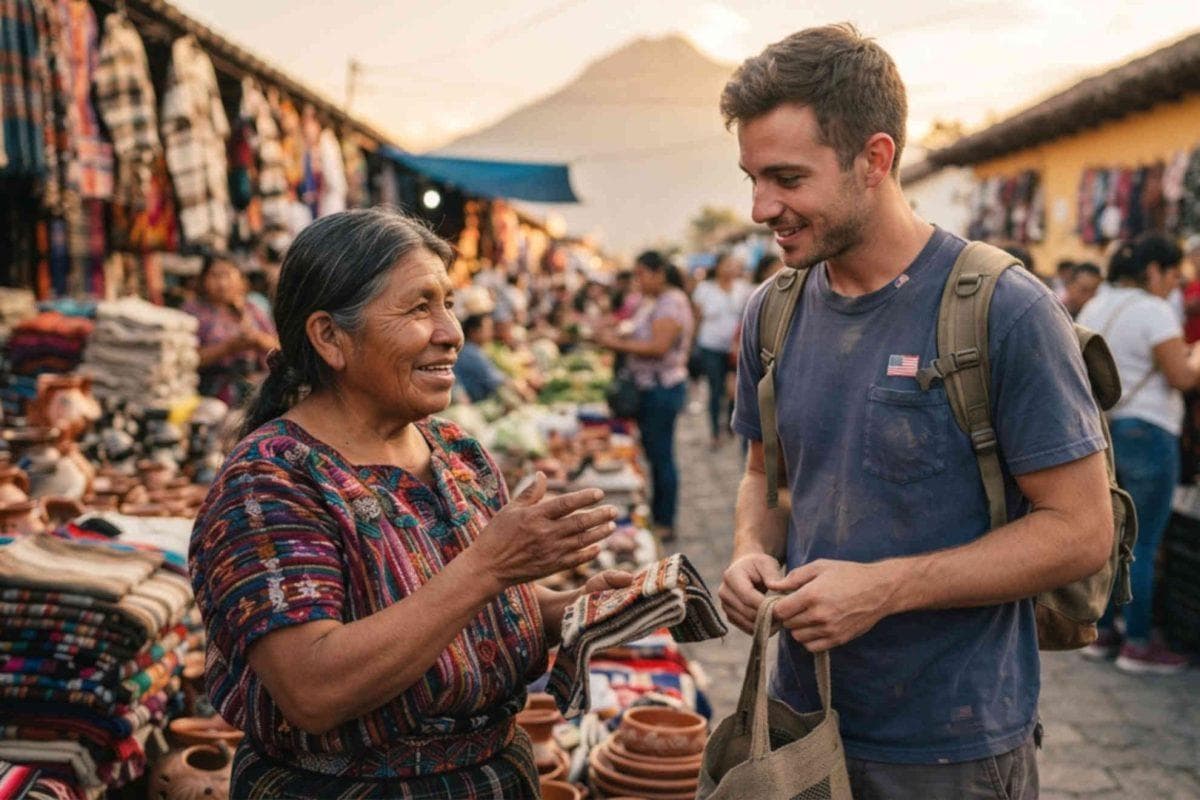
- The term gringo has become one of the most popular expressions to identify citizens of The United States within Latino culture.
- Far from being a generalized insult, linguists confirm that people frequently use this word harmlessly or to designate those who lost touch with their roots.
- Investigating where this concept and word come from transports us through fascinating tales ranging from ancient wars to eighteenth-century Spanish dictionaries.
The real meaning and daily use of the term gringo today
Living in Latin America or growing up there means gringo is likely one of the most common words you heard when referring to any citizen of The United States, naturally sparking deep curiosity about its true current connotation, meaning and origin; contrary to what many people tend to believe and according to various specialized linguists, this word does not necessarily represent an offensive term because people can use the expression perfectly to refer harmlessly to foreigners or even to those Latinos who speak very little Spanish and remain disconnected from their cultural roots.Thus, the expression forms part of the daily vocabulary of the Latino community, integrating naturally into everyday conversations without losing its familiarity or historical weight.
The most fascinating historical theories behind the origin of this famous word
Consequently, multiple theories exist regarding the birth of the gringo concept, among which stands out the hypothesis that it represents a distortion of the Greek term used to designate a language completely unintelligible to ancient Latin peoples just as English occurred. Likewise, another of the most popular versions of this term in Latin America places its emergence amid the historical war between The United States and Mexico, where locals supposedly shouted the phrase Green Go Home alluding to the tone of military uniforms or when battalions ordered attacks using the signal Green go. On the other hand, research backed by academic scholars regarding its meaning, such as etymologist William Sayers, suggests the word might derive directly from pilgrims, whereas old records from seventeen eighty-six in Spain already documented its use to designate those who mispronounced Spanish.
Ver esta publicación en Instagram
The evolution and cultural impact of the concept over the years
Regardless of what the definitive etymological theory of the word gringo might be, all investigations share an extremely interesting common point by demonstrating that the term gringo has a meaning historically functioning to point out any foreign person from Latin America. Over the years, this word managed to transcend geographical borders to solidify as a reflection of how the Latino community interprets and names the cultural diversity characterizing The United States today. Either way, understanding this linguistic phenomenon allows us to connect directly with shared history and the richness of our most representative daily expressions while understanding that the vast majority actually avoids using it as a derogatory form.
@yuliaxgon Did you know the word “gringo” was first recorded in an 18th-century Spanish dictionary — decades before the Mexican-American War? Originally used in Spain to describe foreigners who struggled to speak Spanish. Over time, it spread across Latin America, evolving to describe English-speaking foreigners, particularly Americans. #latino #latina #latinos #spanishtiktok #latinotiktok #mexican #mexicantiktok #gringo #gringoylatina #history #hispanic ♬ original sound – Yulia G
