

WATCH NOW
Watch on the app











New Jersey residents could miss out on $1,500 in property tax relief if they overlook this deadline
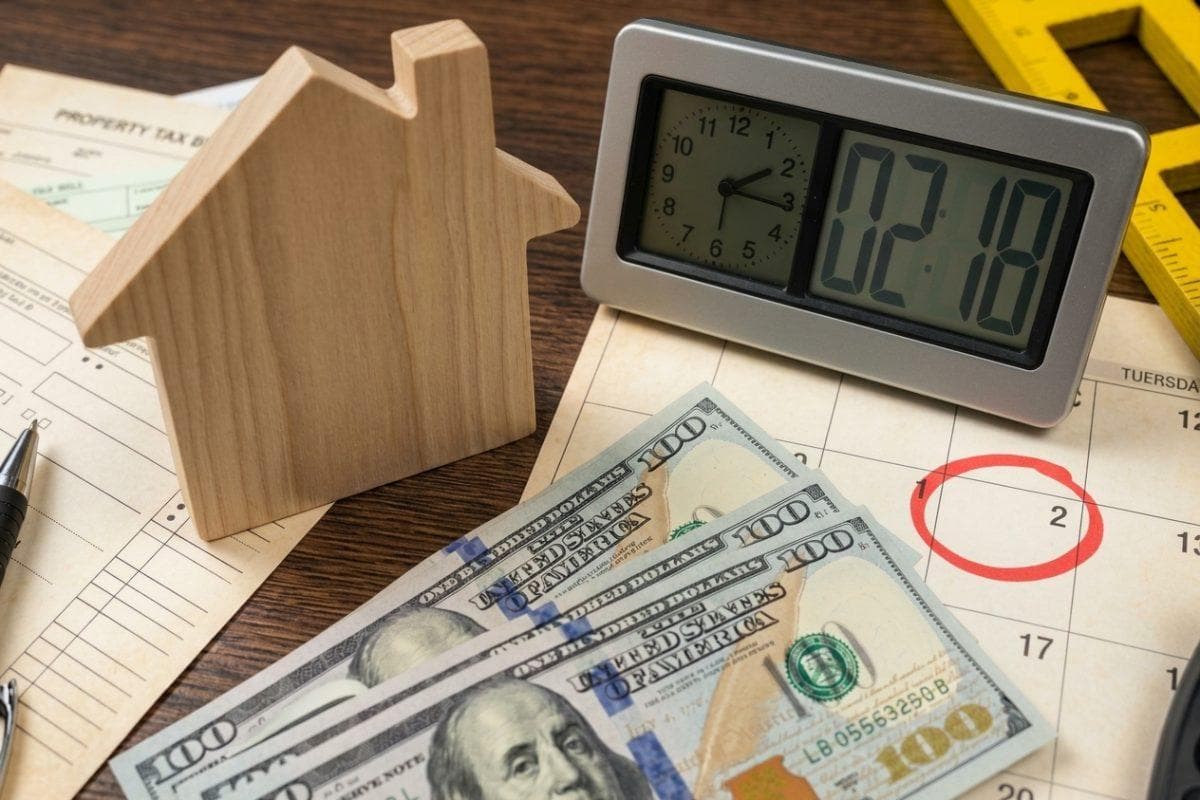
-
Crucial filing deadline approaches for New Jersey residents, risking critical financial assistance for eligible homeowners and renters seeking state support.
-
Diverse municipal officials emphasize that the arrival of this vital filing cutoff requires immediate attention across metropolitan districts to secure direct state relief checks.
-
Community leaders actively remind households to verify strict income thresholds and residency criteria before the final expiration date to prevent losing essential funds.
New Jersey property tax relief unfolds across the state as authorities maintain open applications for the ANCHOR program, offering up to $1,500 in financial assistance for homeowners and up to $700 for eligible renters, in addition, local families could miss out on $1,500 if they overlook this deadline, creating an urgent situation for residents relying on state support. Specifically, the official deadline for submissions arrives on Monday, November 2, 2026, marking a critical cutoff for residents who must complete their paperwork promptly to avoid forfeiting vital state funds and division officials strongly urge everyone to submit their documents before this strict expiration date.
Meanwhile, the New Jersey Division of Taxation processes automatic applications for many younger homeowners and renters, yet senior citizens, individuals receiving disability benefits and Railroad Retirement beneficiaries must actively submit specific forms to secure their disbursements, consequently, local agencies urge all participants to review their documentation requirements ahead of the approaching expiration date to guarantee successful processing, avoid unnecessary payment delays, and ensure complete eligibility compliance under state guidelines.
Property requirements and income thresholds for ANCHOR benefits
Property owners and renters must carefully verify that their reported residence served as their primary home on October 1, 2025, since vacation homes, secondary properties and rentals third party leased fail to qualify for the program, furthermore, financial limits dictate that homeowners with gross incomes of $150,000 or less receive $1,500, while those earning between $150,001 and $250,000 qualify for $1,000, and individuals exceeding the higher threshold remain ineligible for payouts. Additionally, renters earning up to $150,000 receive $450 if they were 64 years old or younger at the close of 2025, whereas seniors aged 65 and older see their payments increase to $700, moreover, tiered structures aim to alleviate high regional housing costs across New Jersey communities, providing essential financial support to those facing severe economic pressures.
Furthermore, state administrators establish several key parameters governing documentation and application procedures through structured guidelines:
-
Households evaluating their eligibility can review available guidelines directly related to New Jersey property tax relief to ensure all criteria are met.
-
In shared housing scenarios, every tenant listed on the lease must submit an individual application reporting co tenant names and total rent paid for the property.
-
Senior homeowners and disability beneficiaries must submit form PAS 1 manually, because the state does not process their requests automatically.
-
Taxpayers using paper forms should prepare property tax bills and state income tax returns to substantiate their reported financial figures.
Digital verification processes and administrative payment delays
The state disbursement schedule operates on a rolling basis beginning September 15, meaning direct deposits and paper checks arrive within 90 days of successful application processing, subsequently, taxpayers who choose digital filing methods can select direct deposit options, whereas paper submissions receive physical checks by mail. State authorities also warn residents to exercise extreme caution regarding unsolicited digital messages, explicitly reminding the public that official agencies never request sensitive personal details through unexpected text messages or unverified email links, furthermore, meeting each crucial filing deadline prevents administrative snags while applicants navigate identity verification through alternative paper forms or digital portals.
Simultaneously, tax professionals advise participants to keep comprehensive records of their confirmation numbers and correspondence, ensuring that any inquiries regarding delayed payments find swift resolution through the state helpline at 1 billion 888 million 238 thousand 1233 or regional information centers, therefore, proactive management of these financial documents protects eligible families from missing out on essential relief funds. State representatives reiterate that these cash disbursements are exempt from state income taxes, providing immediate economic breathing room for households navigating the high cost of living in the region, thus, completing the necessary verification steps remains an essential priority for every qualified resident before the active filing cycle concludes.
Crucial filing deadline management for older homeowners
The Division of Taxation mailed confirmation letters on August 10, establishing that the period to modify information for automatic applications concluded on September 15, correspondingly, Marita Sciarrotta explained in detail why older property owners must reapply, pointing out that various variables concerning personal incomes and other factors require thorough review. As a result, homeowners and renters under 65 who received no disability benefits and secured no automatic confirmation can submit form ANC 1, whereas form PAS 1 applies if the applicant or spouse reached 65 by December 31, 2025, or received Social Security or Railroad Retirement disability benefits, ensuring precise alignment with administrative mandates.
Additionally, electronic applications utilize the ID.me verification platform to verify identity securely, requiring a valid driver license, state identification card, passport card, or passport, similarly, filing form PAS 1 may require 2024 and 2025 tax data alongside form SSA 1099 to verify Social Security earnings. To explore broader housing market trends, readers can also review analyses detailing how regional housing costs evolved, such as reports examining New York neighborhoods where monthly rents surged, meanwhile, rigorous adherence to these regulations ensures disbursements avoid administrative extensions postponing delivery into 2027, securing financial relief right when families need it most, and confirming complete participation in New Jersey property tax relief.
