

WATCH NOW
Watch on the app







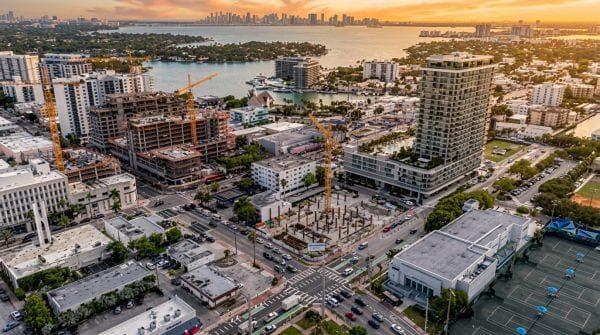







Miami homebuyers face a new obstacle that starts at the gas pump and grocery store

-
South Florida real estate market dynamics show how steady price increases at fueling stations and supermarkets significantly erode 100% of working families’ extra borrowing capacity.
-
Rising energy and transportation expenses force prospective purchasers to allocate savings toward immediate living costs, delaying their long term property investments.
-
Financial analysts project a 90% likelihood of interest rate hikes before the end of the year, further restricting credit flexibility across primary metropolitan markets.
Surging inflation at local fueling stations and neighborhood supermarkets creates an unprecedented financial obstacle for Miami homebuyers striving to navigate South Florida’s increasingly tight real estate landscape. Everyday living expenses continue climbing due to global energy market disruptions linked to international geopolitical conflicts; consequently, retail inflation directly shrinks household down payment savings long before prospective families ever submit a formal mortgage application or negotiate closing terms with regional lenders.
Miami homebuyers navigating inflation and living costs
South Florida real estate conditions demonstrate how intense financial pressures from rising consumer prices exert severe strain on middle class households across urban centers. In the Miami, Fort Lauderdale and West Palm Beach metropolitan area, headline inflation hit 3.7% year over year, outpacing the national urban average of 3.4% as reported by the U.S. Bureau of Labor Statistics, driven primarily by non housing living expenses such as transportation (up 6.7%) and essential utilities. With local median home sale prices climbing to $583,705, a standard 20% down payment requires $116,741 in liquid cash, making discretionary savings more critical than ever for prospective buyers.
Meanwhile, overall consumer inflation registered a 3.7% year over year increase in recently released figures, while local core CPI remained at 3.3%; furthermore, rising daily expenses reduce discretionary income needed to meet current mortgage qualification standards. Because lenders strictly evaluate debt to income ratios, typically capping total debt payments at 43% of gross monthly income, every extra $200 per month spent on fuel cuts $25,000 in borrowing power at prevailing 7% interest rates.
Key inflation drivers impacting the housing market
Analyzing retail cost adjustments helps prospective purchasers evaluate the economic factors transforming real estate accessibility:
-
A 34% annual surge in gasoline prices, including a 9% spike recorded in September alone, leaves active Miami homebuyers with substantially less cash reserved for earnest money deposits and loan closing fees.
-
Food prices rose 2.5% over the past year; thus, higher grocery bills tighten household budgets for families searching for single family residential properties.
-
Airline fares escalated by over 22% since September 2025; consequently, increased transportation expenses constrain discretionary spending across regional households.
-
Electricity bills jumped 4.4% this year due to continuous air conditioning usage; therefore, higher utility costs increase ongoing property maintenance obligations when examining South Florida real estate trends directly within local cost analyses.
-
Select categories showed mild price declines; nevertheless, slight price dips in used cars and medical goods failed to offset broader energy surges affecting working families.
South Florida real estate interest rate pressures and labor market indicators
Data released weeks prior by the Bureau of Labor Statistics revealed an uptick in September unemployment rates, initially sparking hopes for interest rate relief; however, unyielding inflationary forces shattered market optimism across financial markets.
In addition, according to financial firm CME Group, over 90% of market traders anticipate rate hikes before year end, with 3 out of 10 analysts forecasting a half point increase; as a result, mortgage rates exceeding 7% freeze market activity by discouraging buying and selling under current monetary policies. This ongoing monetary tightening directly dictates the immediate trajectory of South Florida real estate financing across metropolitan counties.
Ver esta publicación en Instagram
Inventory constraints and affordable market impacts
Ana Bozovic, real estate broker and founder of local analytics firm Analytics Miami, warned that when mortgage rates remain elevated for extended periods, market activity stalls because existing homeowners refuse to give up their sub 4% fixed mortgages to sell, while regional developers halt new single family construction projects. Consequently, single family inventory sits at a tight 3.4 month supply, well below the 6 month benchmark required for a balanced market, creating acute affordability challenges for everyday Miami homebuyers.
Conversely, wealthier cash buyers acquiring residential properties remain largely unbothered by rising borrowing costs, dominating 41% of all local home sales compared to the national average of 28%. Examining these dynamics across South Florida real estate underscores how elevated financing costs exert the heaviest pressure on affordable market segments where middle income households and first time buyers compete against historically low inventory.
Demographic shifts and family adaptation strategies
Analyzing broader population trends highlighted in recent Pew Research Center housing reports indicates that rising living expenses create structural shifts in how working families approach residential property ownership and shared living spaces within the dynamic framework of South Florida real estate. According to U.S. Census Bureau data, multigenerational households climbed to nearly 11% locally, standing substantially higher than the 7.2% national average as adult children and extended family members consolidate living arrangements to mitigate compounding utility, food, and housing overhead.
Beyond traditional single family models, surging daily costs encourage joint purchases and multigenerational housing arrangements, driving joint mortgage applications up 18% year over year among local first time purchasers; consequently, pooling family incomes offers the most viable path toward satisfying strict debt to income requirements and securing long term property equity despite ongoing economic headwinds.
Social media impact and real estate insights for Miami homebuyers
Digital platforms actively transform how prospective buyers research housing trends, as consumers compare local property options through online guides and virtual video tours. Meanwhile, real estate content creators share step by step homebuying guides, empowering young buyers with actionable financing strategies while demonstrating how younger households directly shape modern property markets.
Building on this momentum, market research organizations continue evaluating housing affordability trends as analysts analyze national survey data featuring Miami homebuyers. Crucially, industry observers note that shifting economic realities continue to redefine urban purchasing standards, with over 60% of young purchasers prioritizing equity while navigating the current real estate market for Miami homebuyers.
