

WATCH NOW
Watch on the app









How much of California’s coastline could be lost to coastal erosion?
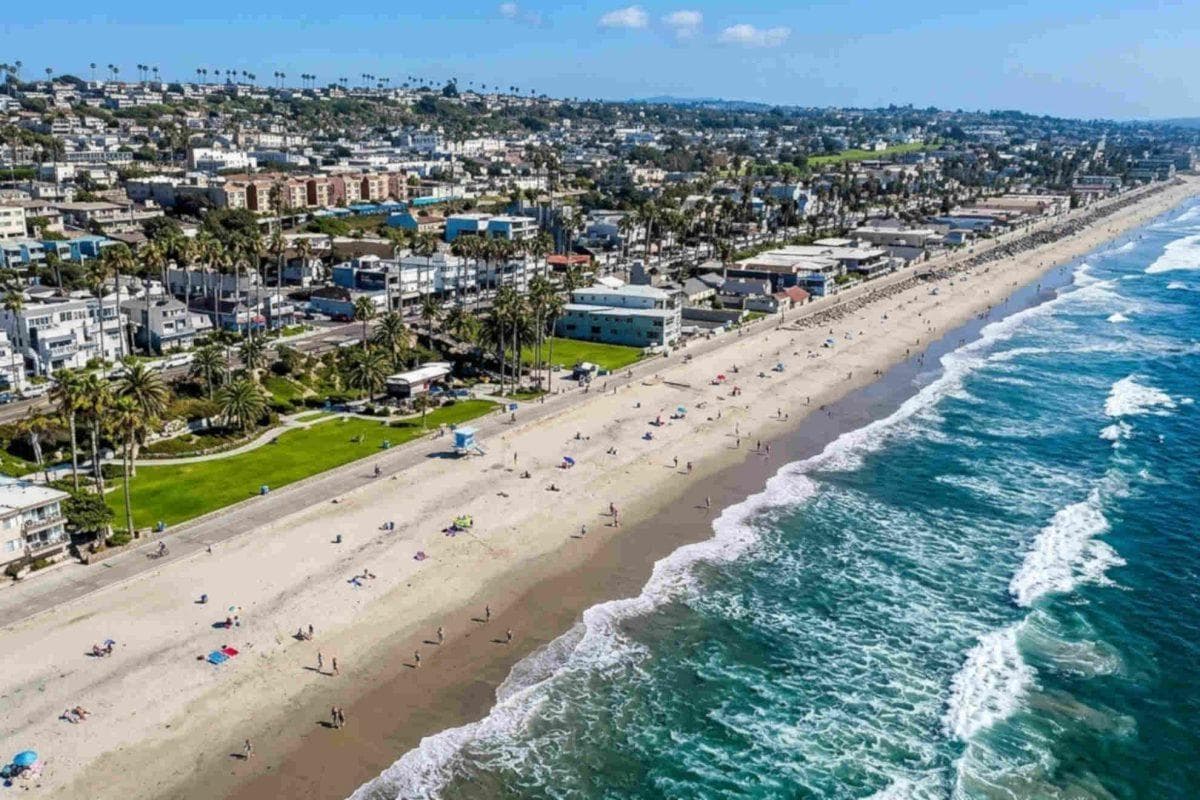
- California’s new climate report warns that between 24% and 75% of the state’s coastline could disappear by the year 2100.
- Severe wave action in areas like Long Beach has already destroyed multi-million dollar properties, leaving real estate losses and forcing drastic price cuts due to coastal erosion.
- Cities and investors spend millions on dredging to save the shoreline, even though constructing seawalls accelerates sand loss amid climate change.
The relentless advance of the ocean threatening to swallow three-quarters of the Golden State’s coastline
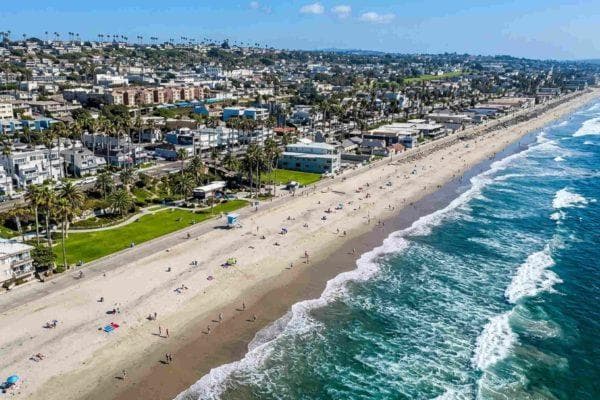
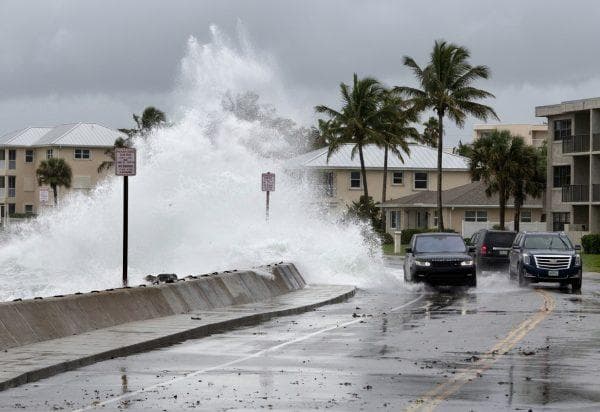
Addressing head-on the alarming question regarding what percentage of the California shoreline could end up underwater in the coming decades, official projections indicate that coastal erosion could wipe out between 24% and 75% of state beaches by the year 2100; according to the striking models presented in California’s Fifth Climate Change Assessment, rising sea levels continue destroying the sandy buffers that shield communities, leaving highly developed areas in Southern California vulnerable to irreversible territorial and real estate losses. In this regard, the frightening speed at which coastal erosion progresses proves that the issue is no longer a theoretical future warning, but a present financial crisis shattering foundations and crashing property prices right in front of the ocean and oceanfront beaches as seen in Long Beach.
Luxury mansions losing millions in value following terrain collapse under heavy ocean waves
In this way, illustrating the direct impact of this environmental disaster on the country’s most coveted housing market, residences valued near five million dollars were reduced to mere land value after collapsing into the sea, leaving massive real estate losses from the havoc of climate change. A heartbreaking example unfolded on the Long Beach Peninsula, where consecutive pounding surf from Hurricanes Marie and Polo, alongside Tropical Storm Rachel, cracked the structural integrity of several luxury homes until local authorities tagged them as unsafe. Consequently, facing rapid sand loss directly in front of properties, analysts point out that coastal erosion across California already endangers between 6.6 billion and 24.7 billion dollars in real estate, severely impacting exclusive neighborhoods adjacent to the ocean and its pristine beaches.
The multi-million dollar dilemma of funding seawalls versus letting sand migrate naturally
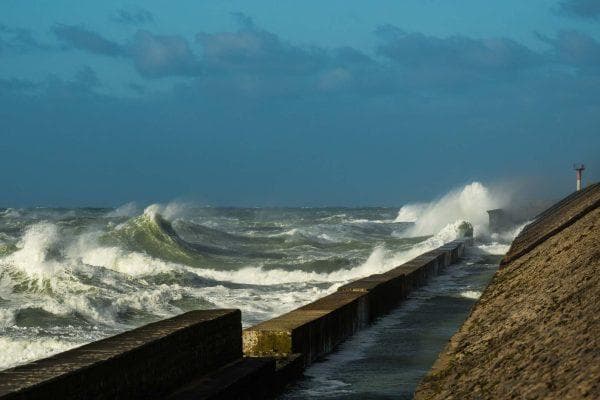
Now, facing a dead end where protecting buildings means destroying the marine ecosystem, cities pour fortunes into emergency projects while developers continue betting on coastal land along the beaches. Indeed, municipalities like Long Beach invest over a million dollars annually to pump artificial sand and restore the barrier that absorbs wave impact, alongside advancing 11.4-million-dollar dredging operations to halt shoreline deterioration. However, specialists warn that placing rock revetments or concrete seawalls to fight coastal erosion ultimately traps beaches between advancing waters and fixed structures, triggering the complete disappearance of the coast in California as the ocean relentlessly gains ground.
