

WATCH NOW
Watch on the app















Discover the tryptophan rich foods that help you sleep effortlessly
Sleeping well does not always depend on turning off your phone on time or counting sheep during the night, as in many cases, what you eat throughout the day directly affects your ability to fall asleep and achieve truly restorative rest. When insomnia becomes frequent, paying attention to your plate can be just as important as reviewing your nighttime habits.
One of the nutrients most closely linked to quality sleep is tryptophan, an essential amino acid involved in critical brain processes related to relaxation and deep rest. Including it strategically in your diet can make a noticeable difference in how your body prepares for sleep each night.
What is tryptophan and how does it benefit your health?
Tryptophan is an essential amino acid, meaning that the body cannot produce it on its own and must obtain it through food. Its importance goes far beyond promoting sleep, as it also plays fundamental roles in maintaining both physical and emotional balance.
This nutrient helps regulate mood, promotes a sense of wellbeing, supports feelings of satiety and contributes to stress management. However, its most widely known function is its role in sleep, as it helps initiate rest and maintain more stable sleep cycles.
How tryptophan supports sleep
Tryptophan is the starting point for the production of serotonin, a neurotransmitter closely associated with calm and relaxation. In turn, serotonin is converted into melatonin, the hormone responsible for regulating the sleep wake cycle.
When the body lacks sufficient tryptophan, this process is disrupted, which can result in difficulty falling asleep, waking frequently during the night, or feeling fatigued upon waking. For tryptophan to work effectively, it must be accompanied by complex carbohydrates, along with minerals such as magnesium, zinc, and vitamin B6, which facilitate its conversion into serotonin and melatonin.
Tryptophan rich foods that promote rest
Incorporating foods high in tryptophan into your daily diet is a natural and effective way to improve sleep quality. These options not only aid in falling asleep but also provide essential nutrients for overall health.
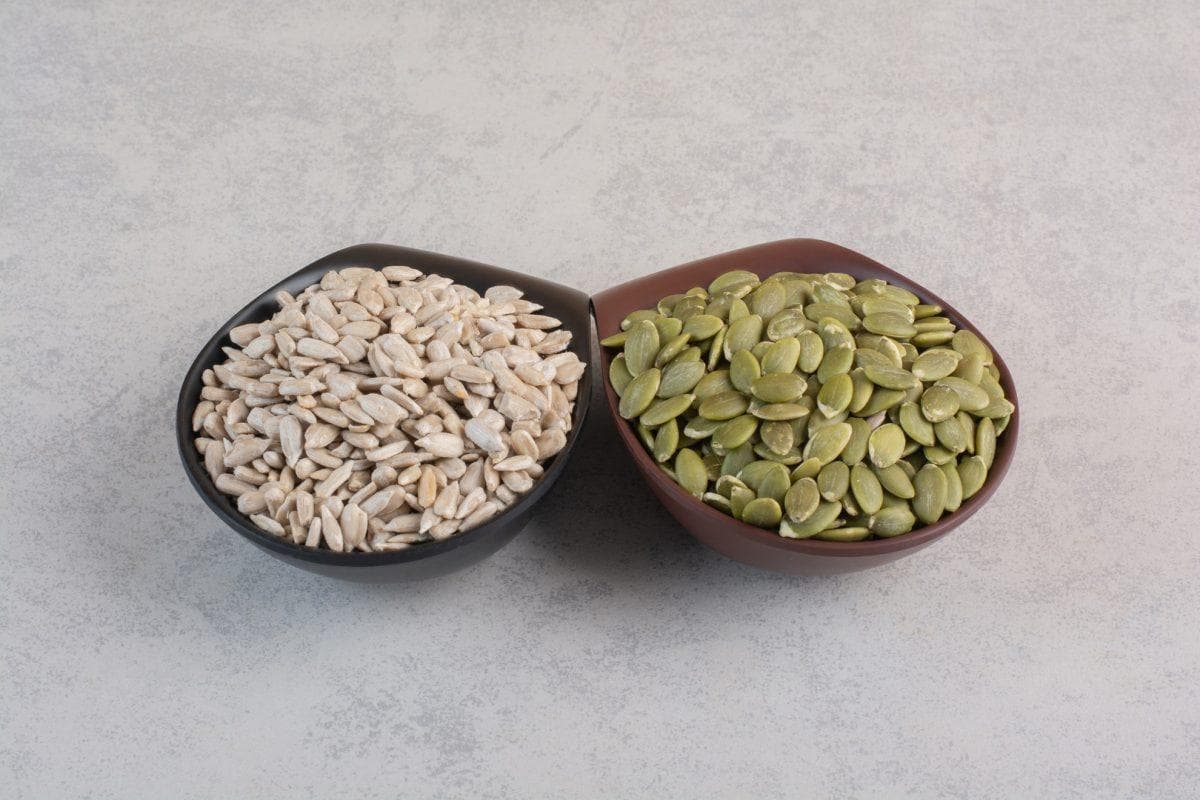
Pumpkin seeds top the list due to their high tryptophan and magnesium content, making them an ideal ally for relaxing the body before bedtime. Sesame and sunflower seeds are also noteworthy, contributing minerals that support neuromuscular function.
Among animal proteins, turkey and chicken are well known for their relaxing effects, as they combine tryptophan with B vitamins. Salmon, tuna and white fish provide omega 3 fatty acids, which help balance the nervous system. Eggs, in addition to tryptophan, contain choline, essential for brain health.
In the plant based group, soy and lentils offer tryptophan along with fiber and protein, helping to maintain stable energy levels throughout the night. Cheeses like cheddar can also be helpful if consumed in moderation and at appropriate times.
When and how to consume these foods
It is not only what you eat but also when and how you eat that matters. Consuming tryptophan rich foods during dinner, combined with complex carbohydrates such as brown rice, oats, or potatoes, can facilitate its delivery to the brain.
Light, balanced dinners without excess help avoid heavy digestion that interferes with sleep. Avoiding stimulants such as alcohol, chocolate or highly processed foods at night further enhances tryptophan’s effect on the body.
Should you take tryptophan supplements?
Although tryptophan supplements are marketed to improve sleep, they are not always the best option. Some experts warn that isolated tryptophan does not act the same as when consumed within whole foods and may even produce adverse effects in certain cases.
Opting for a balanced diet rich in natural nutrients is usually safer and more effective. If difficulty sleeping persists, it is always advisable to consult a healthcare professional before turning to supplements.
Sleeping well starts on your plate
Rest does not begin when you lie down, but many hours earlier, with the choices you make throughout the day. Including tryptophan rich foods can help you fall asleep naturally, improve the quality of your rest, and wake up feeling more energized. Sleeping better does not always require complicated solutions; sometimes, all it takes is eating with more intention.
