

WATCH NOW
Watch on the app















Cardiac arrest or heart attack? How to differentiate them and identify risks
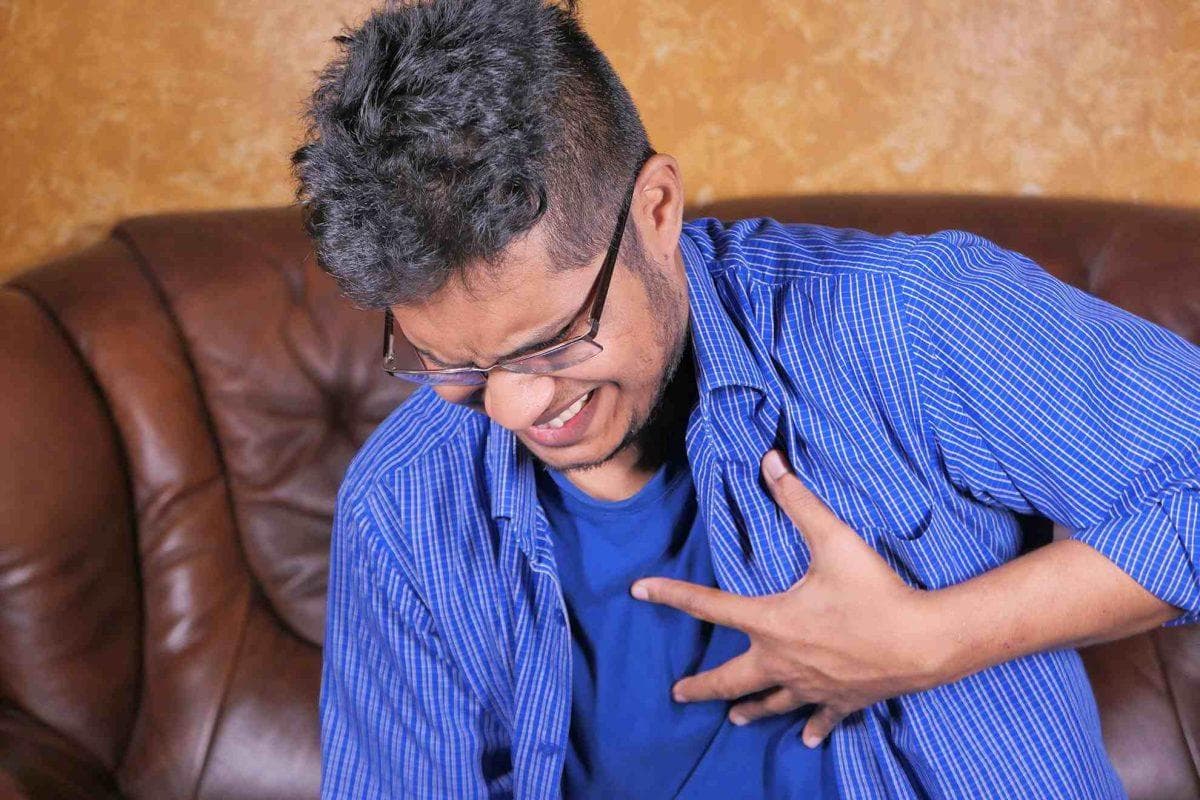
Learning to distinguish between a cardiac arrest and a heart attack represents the most valuable tool for saving a loved one during a critical moment. Although we often use these terms interchangeably, they actually describe very different situations that demand specific reactions. While a heart attack originates from an obstruction in the blood vessel system, a cardiac arrest is an electrical failure that stops the heart completely. Knowing this difference allows us to act with confidence when every second counts to ensure the survival of those suffering from these events.
The origin of the problem and its signals
A heart attack occurs when an artery becomes blocked and blood flow fails to reach the muscle, which usually causes intense chest pain. This lack of oxygen generates heavy pressure or difficulty breathing, although the heart generally continues beating while the person remains conscious. Conversely, a cardiac arrest happens much more suddenly because the heart simply stops pumping due to a fatal electrical arrhythmia. In this case, the person collapses immediately and loses consciousness since the brain stops receiving oxygen instantaneously.
Sudden Cardiac Arrest has no warning. No symptoms. No time to prepare.
it’s not a heart attack — it’s an electrical failure of the heart.
The heart stops instantly, and every second matters.
That’s why it’s so important to learn CPR and have access to an AED.#SCA #CRP pic.twitter.com/tswX3tFMjr
— Huddle for Hearts (@HuddleForHearts) December 16, 2025
The immediate action that transforms destiny
When we witness a collapse, our response speed becomes the determining factor in avoiding permanent damage or even death. The first step involves calling 911 and requesting an external defibrillator while we initiate chest compressions to keep blood flow active. These modern devices are incredibly easy to use because they offer clear step by step instructions, allowing anyone to help effectively. You do not need to be a healthcare professional to save a life, as the equipment guides every movement until the ambulance arrives.
Identifying risks to prevent tragedies
Heart risks evolve according to our age, so prevention must adapt to each stage of life in a conscious manner. In young people under 35, the greatest danger usually stems from a genetic condition that thickens the heart muscle and triggers arrhythmias. After that age, the concern focuses more on lifestyle, smoking and the management of diseases like diabetes or hypertension. Performing constant checkups and listening to symptoms during exercise helps us enjoy an active life without putting our health at risk.
