

WATCH NOW
Watch on the app










California’s strange new wildlife rescue plan puts poop-sniffing dogs to work
In California’s Mojave Desert, an unusual team is preparing to tackle a serious wildlife problem. Their assignment involves searching the landscape for animal poop, and their work could help protect mountain lions from a threat that has been building for decades.
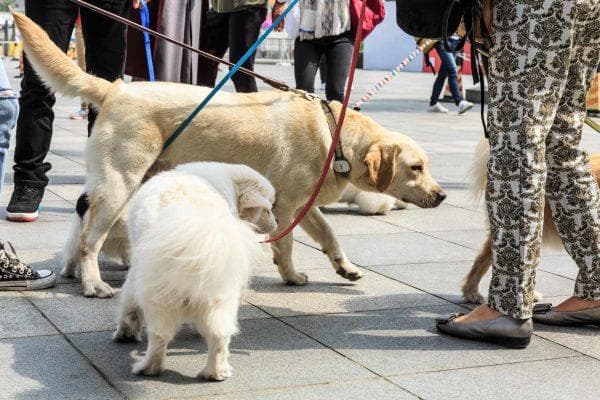
The team includes specially trained rescue dogs capable of detecting droppings left behind by elusive animals, including mountain lions and bobcats. Scientists hope the samples will provide critical information about wildlife populations separated by one of Southern California’s major highways.
The research is taking place near Joshua Tree National Park, where State Route 62 has become a dangerous barrier between wildlife habitats.
For animals attempting to move between the desert and the San Bernardino Mountains, crossing the highway can be deadly. But conservationists are increasingly concerned about a less visible consequence: populations becoming isolated from one another.
Why scientists are collecting animal poop
The dogs are working with researchers studying wildlife movement near two proposed highway crossings.
Instead of relying exclusively on sightings or tracking collars, scientists can collect animal droppings and analyze the DNA they contain. That information can help identify individual animals, understand population relationships and determine whether wildlife is moving between habitats.
The project is particularly important for mountain lions, which need access to large territories and genetically diverse populations.
When highways divide habitats, animals may become trapped within relatively small areas. Over time, limited opportunities to find unrelated mates can increase inbreeding and threaten the long-term health of the population.
Conservationists have already reported physical signs consistent with inbreeding among some mountain lions in the region.
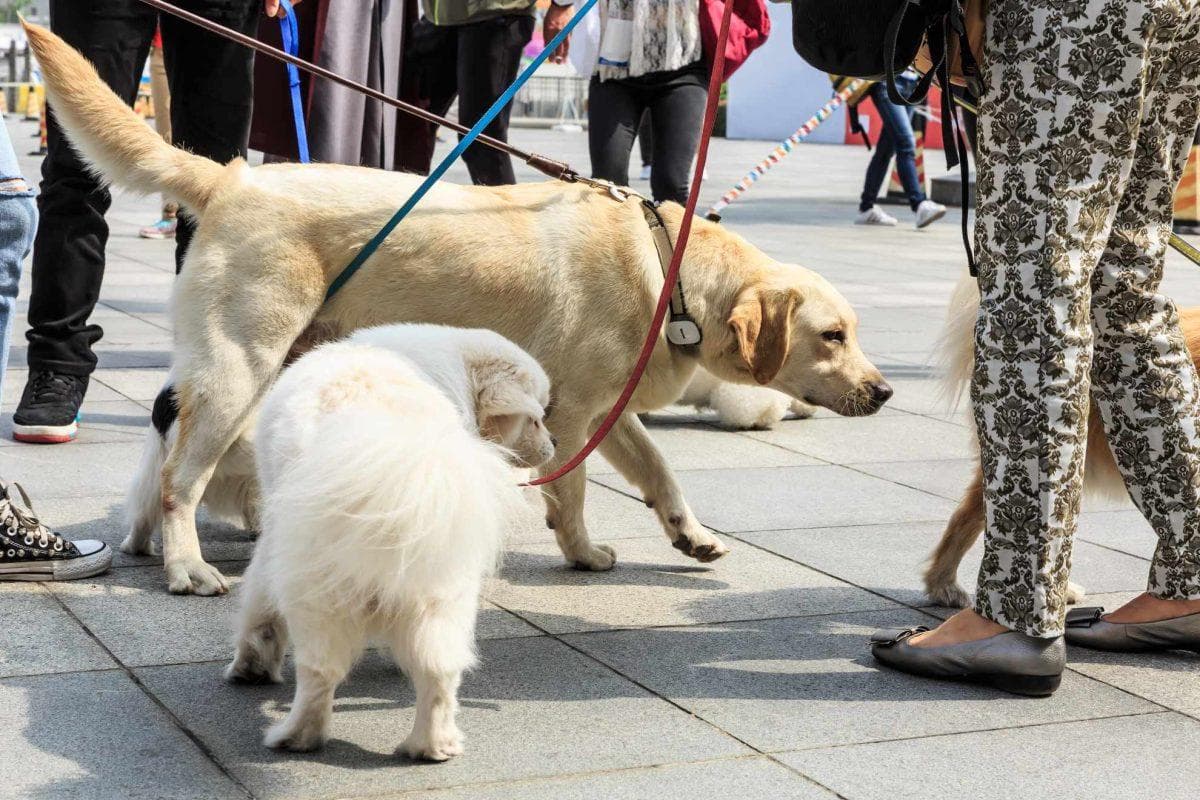
The dogs, including rescue animals trained by Rogue Detection Teams, can locate biological samples that would be difficult for researchers to find on their own.
A highway that has become a wildlife danger zone
The scale of the problem is significant.
A California transportation study documented 232 animal carcasses along the State Route 62 corridor during a 13-month monitoring period. The animals included species ranging from smaller desert wildlife to larger mammals.
The proposed solution involves two wildlife crossings designed to reconnect habitats on opposite sides of the highway.
Researchers plan to compare DNA evidence collected before and after the crossings are built. That could help determine whether the structures actually allow animals to move between previously separated populations, rather than merely reducing vehicle collisions.
The distinction matters because wildlife crossings can require substantial public investment, and scientists want better evidence of their long-term ecological benefits.
California has been expanding its wildlife connectivity efforts, with multiple crossings completed or under development across the state.
The Joshua Tree project remains in the planning phase. The Mojave Desert Land Trust hopes to complete most planning work by 2029, with construction dependent on securing additional funding.
For now, the most important clues may be hidden in the desert landscape, waiting for a dog’s nose to find them.
What sounds like an unusual scientific experiment could ultimately help determine whether mountain lions and other wildlife can continue moving safely through one of California’s most iconic natural regions.
Reporting basis: Los Angeles Times, October 9, including interviews with wildlife biologists and conservation organizations, and details of the State Route 62 research project.
