

WATCH NOW
Watch on the app






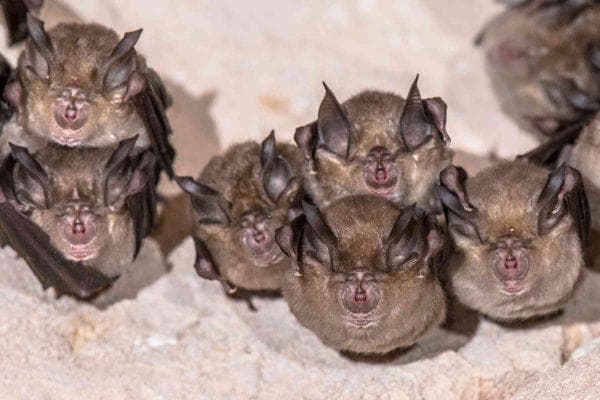







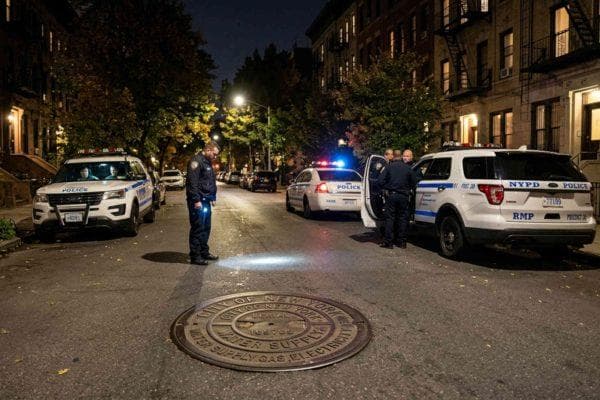
Georgia family finds a dead bat in their backyard and a rabies test raises new concerns
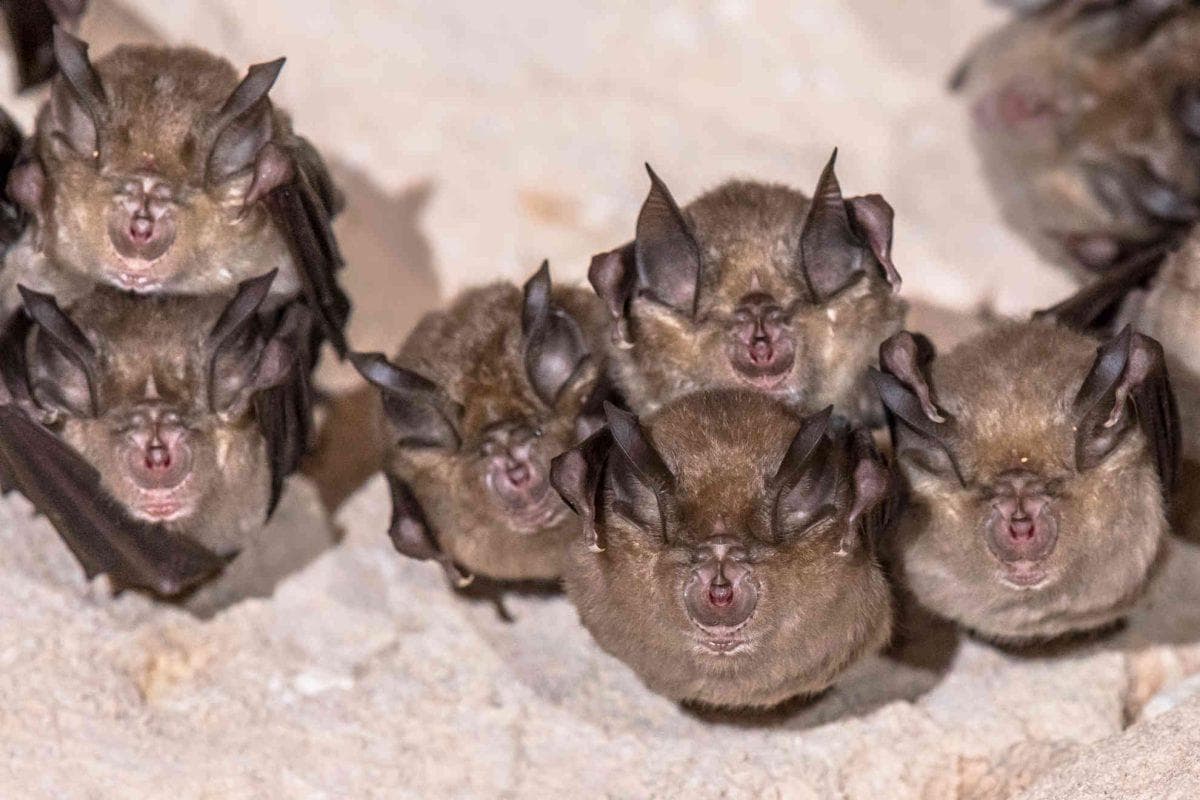
- The discovery of a dead bat that tested positive for rabies in a Loganville home’s backyard sparked red alerts in Gwinnett County, Georgia.
- This dangerous event marks the second rabies case recorded within a single month across the region, where the virus circulates endemically year-round.
- Health authorities urge protecting pets with up-to-date vaccines and avoiding direct contact with wildlife to mitigate risks.
What seemed like a quiet morning in the backyard of a home located in the Loganville area ended up transforming into a major public health concern when discovering a dead bat put local health officials on high alert, who confirmed that the animal tested positive for rabies after conducting thorough testing. This troubling incident raised alarms across Gwinnett County in Georgia because it constitutes the second recorded case of the virus in just one month, recalling the previous occasion when another infected specimen turned up inside a residence in the nearby town of Snellville. For the large community residing in this area of The United States that enjoys outdoor activities with loved ones, taking timely preventive measures against the constant presence of the rabies virus in local ecosystems proves essential, keeping pet vaccinations for dogs and cats up to date to guarantee household safety.
The constant presence of the virus in wildlife and urgent recommendations from experts
Likewise, understanding the severity of this situation requires considering that the state of Georgia stands as an endemic area where rabies transmission through wild mammals occurs uninterrupted throughout all twelve months of the year. For this reason, the National Association of State Public Health Veterinarians advises immediately administering booster doses whenever unvaccinated pets come into contact with a suspect virus specimen, while also mandating a strict four-month quarantine period to prevent outbreaks. Furthermore, the Centers for Disease Control and Prevention warn that the disease lethally attacks the central nervous system, making it vital to recognize warning signs in wildlife such as loss of natural fear toward humans, unprovoked aggression or walking coordination issues.
Essential preventive measures and regional case tracking to protect the community
Facing an increase in similar reports across residential complexes and neighboring counties like DeKalb and Chatham, where officials also detected raccoons and bats infected with the rabies virus, health agencies issued clear guidelines to keep transmitting animals away from the family environment. Among the top recommendations following this dead bat episode in a Loganville backyard, key steps include securing household trash containers, avoiding leaving pet food outdoors at night and never attempting to rescue or handle sick specimens without trained professional assistance. In conclusion, reporting any unusual sightings to animal control authorities and seeking immediate medical attention following potential bites or scratches remains crucial in Georgia to prevent severe complications, remembering that active surveillance and individual responsibility form the best protective barrier against this dangerous public health threat.
