

WATCH NOW
Watch on the app







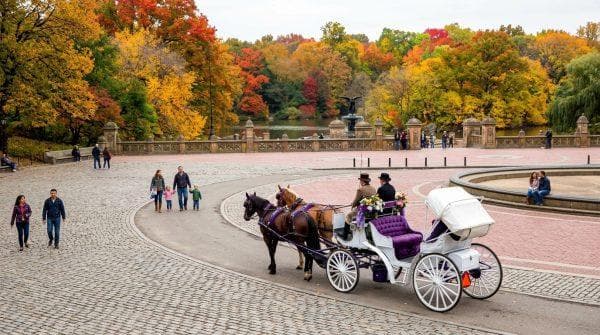



New York just gave one of Central Park’s oldest traditions an expiration date
-
A historic ban approved by New York City Council in a 40 to 7 vote with 2 abstentions sets a mandatory phaseout deadline of June 1, 2028, for horse drawn carriages.
-
The legislative breakthrough followed a $50M wrongful death lawsuit after tourist Romanch Mahajan died in an accident on June 17, 2026.
-
City officials must establish a career transition plan by April 2027 for owners of 68 medallion licenses, while strictly prohibiting sending retired horses to slaughterhouses.
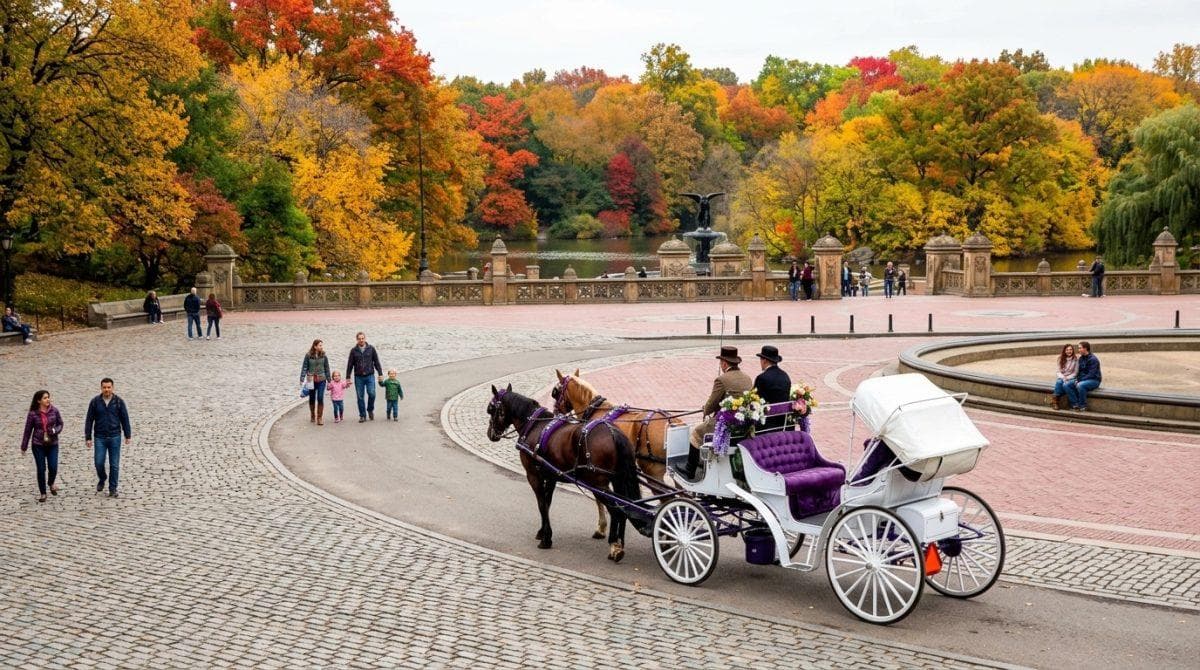
For over a century and a half, the rhythmic clatter of hooves along Manhattan asphalt defined the quintessential New York experience, yet municipal authorities officially set an expiration date for these iconic carriage rides, ensuring that beloved Central Park traditions enter a final countdown toward total cessation.
Building upon this landmark decision, New York City Council members voted 40 in favor, 7 against, and 2 abstaining on Thursday to pass Romanch’s Law, enforcing an immediate freeze on new operating permits before establishing a full shutdown by June 1, 2028; furthermore, strong political backing from Mayor Zohran Mamdani and Council Speaker Julie Menin decisively enacted this historic ban across municipal streets.
Ver esta publicación en Instagram
Key factors driving the historic ban on Central Park traditions
-
Legislative momentum behind the historic ban accelerated after years of heated debate regarding urban animal welfare and street safety in Manhattan.
-
The movement reached a turning point following the tragedy of June 17, 2026, when young visitor Romanch Mahajan died after a carriage horse spooked as its driver stepped aside to take a photograph while traveling with his family.
-
A $50M wrongful death lawsuit filed by the Mahajan family against the municipal government mobilized public backing, transforming past failed reform attempts under former mayors Bill de Blasio and Eric Adams into binding law to sunset Central Park traditions.
Driven by these tragic circumstances, public perception shifted dramatically across the 5 boroughs; consequently, grieving relatives turned personal sorrow into political action by compelling local leaders to pass comprehensive legislative reforms.
Ver esta publicación en Instagram
Transition plans, license values and union opposition
Behind the picturesque tourist attraction lies a tight-knit commercial ecosystem where medallion licenses remained capped at just 68 active permits since the mid 20th century, having been passed down through generations within families or purchased for hundreds of thousands of dollars outside open market trading.
Addressing these deep-rooted economic ties, the new statute directs City Hall to unveil a comprehensive workforce transition plan by April 2027 to connect workers with job referrals in transit, tourism and taxi sectors alongside potential financial compensation for medallion owners; nevertheless, representatives from Transport Workers Union Local 100 criticized these provisions as inadequate while addressing the historic ban, as the union warned on Wednesday, October 21, that it would launch legal challenges because the law fails to guarantee financial protection for license investors, though no formal lawsuit has been filed to date.
Adding emotional weight to the industry’s stance, carriage owner and union delegate Christina Hansen emphasized, “The horses of Central Park are iconic, we are as much a part of the city as the Statue of Liberty and the Empire State Building,” while firmly arguing that the law contributes nothing toward alternative employment and questioning, “Who is going to pay my rent while I look for a job?”
Protecting retired horses, financial debates and national reactions to the historic ban
Beyond labor reorganization, the legislation establishes strict legal safeguards for the working animals themselves, explicitly outlawing any attempt to send retired carriage horses to slaughterhouses while mandating their transfer to certified animal sanctuaries.
Shifting the focus to long term animal welfare, council members reviewed the broader impact of the historic ban on local sanctuary resources, noting operational logistics remain a central point of contention as council member Jim Gennaro calculated that lifelong sanctuary care could reach $25K annually per horse; yet despite high profile political commentary from Donald Trump on Truth Social stating, “The horse-drawn carriage ride in New York City is a quintessential New York experience, how sad that, for political reasons, we are going to see it disappear!”, city leaders officially locked in the phaseout schedule to permanently alter the future of Central Park traditions.
Ver esta publicación en Instagram
