

WATCH NOW
Watch on the app








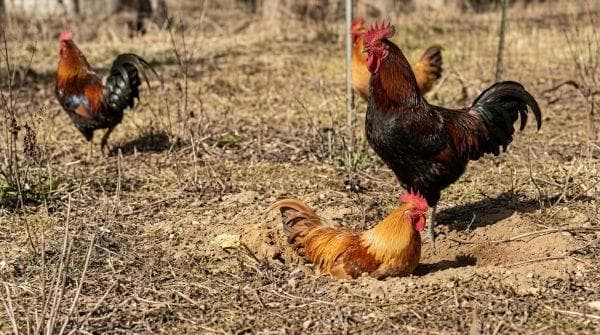





New Jersey town just made life complicated for roosters who don’t know when to keep quiet
-
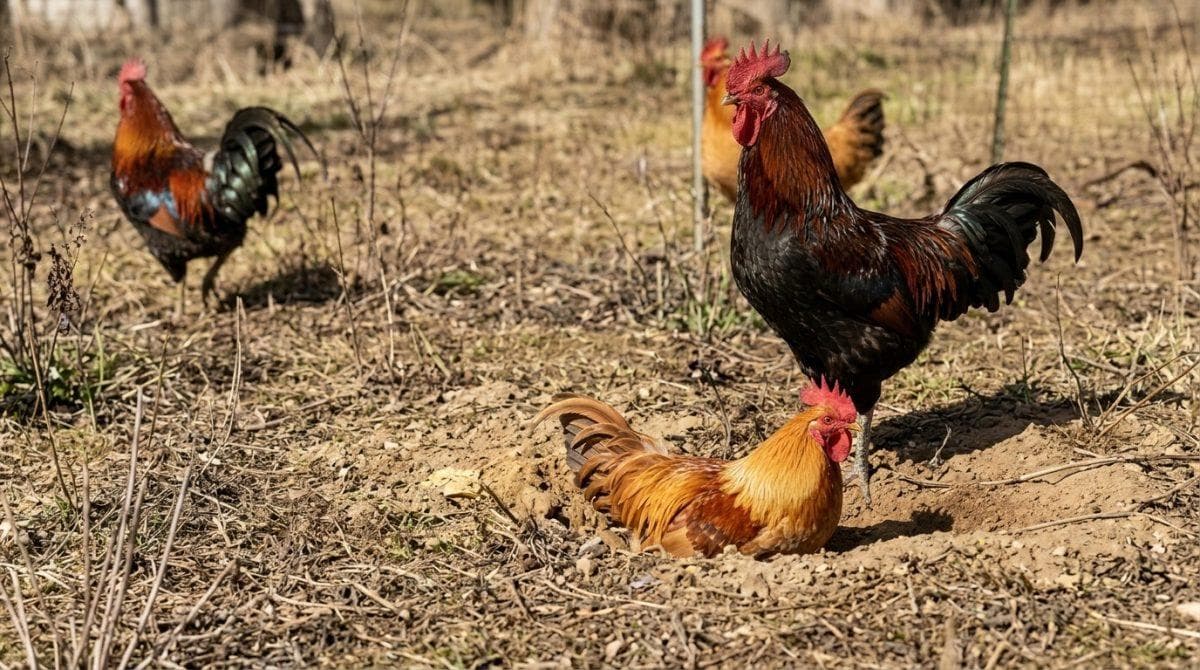
Noisy roosters faced a total ban in Brick Township after municipal officials voted 7 to 0 on October 13, 2026, to modify local animal housing codes.
-
Residential noise complaints surged over the past 6 years as backyard poultry farming expanded during Covid 19 pandemic lockdowns for home egg production.
-
Grandfathered owners may keep existing birds under municipal zoning permits until their natural death, which Four Paws USA estimates between 5 and 15 years, prohibiting replacements.
Municipal authorities in Ocean County approved a restrictive ordinance to regulate domestic poultry keeping on Wednesday night, ensuring that residents of this welcoming New Jersey town can enjoy peaceful residential living without early morning sound disturbances on their properties.
Furthermore, during a plenary session on October 13, 2026, the 7 council members of the local government unanimously backed the code amendment banning the addition of these birds in urban zones, grounding their legislative action on a steady surge in neighborhood complaints over the past 6 years following the rise in backyard coops built during Covid 19 pandemic lockdowns when family interest in producing fresh eggs at home grew dramatically.
Key factors surrounding the ban in this New Jersey town
-
Noisy roosters create constant, unpredictable crowing that municipal officials determined affects public health and family rest at various hours of the day rather than just at dawn in this New Jersey town.
-
Local legislation formally distinguishes the acoustic impact of domestic poultry from the quiet behavior of hens in backyard coops.
-
Previous police interventions presented enforcement hurdles because ordinances required officers to witness the disturbance directly on the property before issuing a formal citation.
Consequently, driven by these administrative complications, noisy roosters prompted the municipal government to act decisively by updating the animal ownership code; as a result, the new ban removes former police obstacles while granting direct legal authority to inspectors to protect home tranquility.
Transition for current owners and exemption requirements
On the other hand, the new rule took effect immediately following the vote, establishing a protective grandfather clause that allows current owners to keep birds acquired prior to passage for the remainder of their natural lives.
Additionally, the ordinance mandates compliance with specific conditions to keep existing birds legally:
-
Noisy roosters kept under the grandfather clause require a formal zoning permit issued directly by municipal authorities for properties in this New Jersey town.
-
Housing the animals exclusively within an authorized structure on the property.
-
Accepting an absolute prohibition against replacing any bird following its death, sale, or removal from the premises.
In turn, noisy roosters typically live between 5 and 15 years according to tracking data from Four Paws USA, guaranteeing the gradual phaseout of these farm birds across neighborhood blocks.
Community reactions and the protective role of noisy roosters
However, the vote sparked mixed opinions regarding municipal priorities, leading local resident Mike Smith to voice his bewilderment to the New York Post, while Councilman Gregory Cohen expressed his hesitation by stating: “I still can’t believe we’re voting on this,” before emphasizing that the council had other pressing matters to address.
In contrast, noisy roosters remained central to the debate as affected neighbors strongly defended the regulation, insisting that residents should take the disruption seriously while highlighting the perspective of Onofrio Ambrosino: “It sounds comical, but I tell you, if you have one next door, it’s a serious issue”; meanwhile, local keepers emphasize that these farm birds actively protect vulnerable flocks from predators like foxes and hawks in rural sections of this popular New Jersey town, making the community clash over noisy roosters a complex issue for local families.
The CRA lets city residents bound by the city backyard chicken ban accept or reject it.
City Council limited backyard chickens to zero in all residential zones. If it binds you as a city resident, do you accept or reject this measure?
Support CRA with $5 one-time or $5 monthly: https://t.co/Vm0TWqDs6E
— Citizen (@JeffGunson74358) October 22, 2026
