

WATCH NOW
Watch on the app














Your paid off home could still be targeted by title fraud here’s how to protect it
-
Property owners who finish paying off their mortgages face emerging cyber and legal risks; consequently, home title security emerges as an indispensable tool to safeguard family wealth.
-
Criminals exploit the absence of liens on debt free real estate to forge deeds; likewise, authorities strongly recommend monitoring public registries constantly.
-
Real estate identity theft primarily targets older adults and vacation homeowners; for this reason, diverse agencies promote proactive measures against scams.
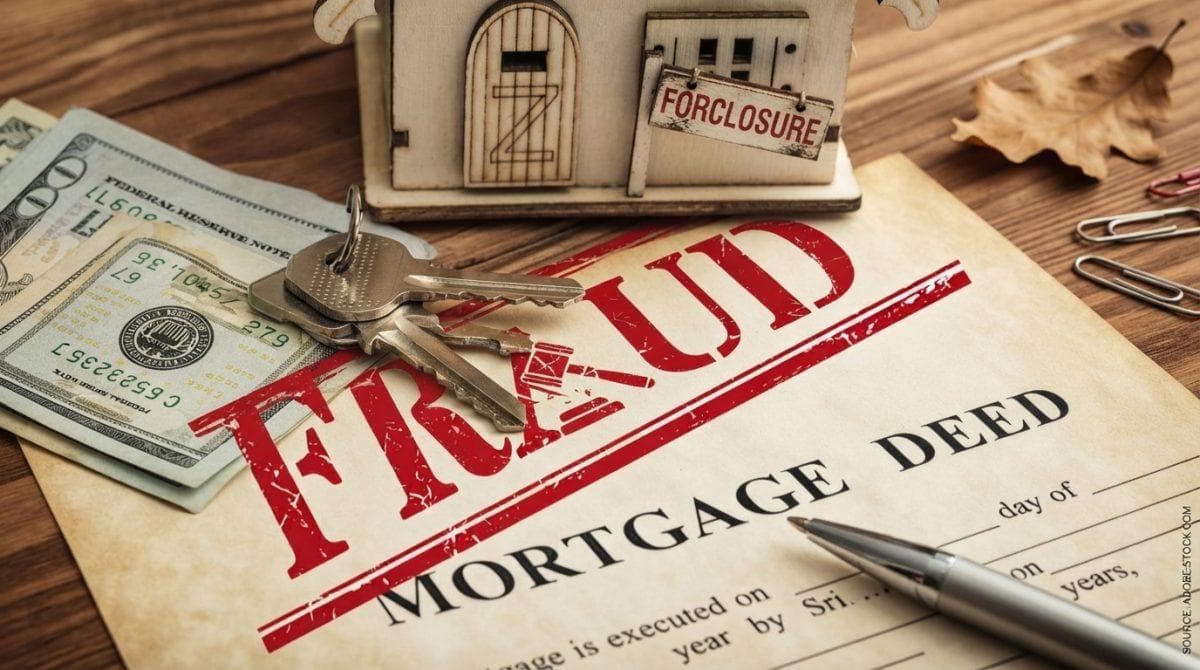
Title fraud protection begins the exact moment free-and-clear property owners discover the legal vulnerabilities of their homes in New York after years of effort to finish paying off their mortgages, detecting that fraudsters forge notarized documents to illegally transfer titles into their own names; furthermore, experts from the Federal Trade Commission detail that bad actors seek to extract accumulated equity through fraudulent loans or clandestine sales before original owners notice in time.
Although this crime is not particularly common, retired individuals and owners with multiple debt free homes or vacation properties must understand how title fraud works because high accumulated equity makes unmortgaged houses attractive targets; furthermore, criminals obtain personal data to forge existing deeds, refinance illegally or sell properties while victims remain unattended for long periods without active surveillance.
Ver esta publicación en Instagram
How title fraud protection safeguards residential property equity against sophisticated urban scams
Specialists from the U.S. Department of Housing and Urban Development note that attacks against private property escalate when owners neglect the safety of their personal paperwork; additionally, legal advisors recommend acquiring specific title protection policies, such as owner’s title insurance, to cushion potential financial losses against fraudulent claims or specific liens, functioning differently from lender-required policies. Equally, families must immediately stop pre-approved credit offers arriving in the mail to prevent financial documents from sitting in the mailbox, while home title security also demands strictly protecting Social Security numbers, avoiding carrying cards in wallets, using strong passwords for financial, governmental and bank accounts, and steering clear of suspicious emails, text messages, or phone calls.
Financial institutions collaborate closely with consumer protection agencies to halt illicit real estate transfers; therefore, active prevention drastically mitigates the impact of these criminal rings. In the same way, experts remind the public that home title security relies on rigorous oversight, checking utility bills and credit reports via FinanceBuzz for unexpected changes or unknown accounts, and immediate reporting of any alteration detected in municipal records.
Community impact and legal defense
-
Experts suggest registering automated alerts across local counties to receive instant notifications regarding any legal movement on property deeds through title monitoring services; similarly, owners must avoid clicking on suspicious links that compromise their personal data.
-
Specialists recommend keeping identification cards and tax documents in secure locations safely out of reach from third parties by maintaining strict postal mail control and checking names on utility bills; furthermore, this precaution significantly reduces identity usurpation risks during real estate transactions.
-
Real estate owners can request periodic credit reviews and a temporary freeze on pre-approved credit offers to prevent sensitive mail theft through robust home title security; therefore, scammers lose access to financial data.
-
Affected families must report any anomalies directly to police departments, financial institutions and corresponding registry offices while evaluating owner’s title insurance policies; likewise, rapid responses guarantee a much more effective legal recovery of domain over the property.
Essential steps for property safeguarding
New York homeowners confronting document falsification threats find a vital financial defense mechanism through early-warning systems; furthermore, advocates recall that home title security seeks to eradicate real estate fraud through strict registry verification protocols. Similarly, financial literacy strengthens vulnerable communities’ resilience against modern scams.
As homeowners solidify their cybersecurity protocols and rigorously monitor public deeds against any usurpation attempt, every measure adopted proves the undeniable value of title fraud protection.
