

WATCH NOW
Watch on the app













Pork buyers could get money from a $117 million settlement here is who qualifies
-
Consumer meat purchasers across 24 states and Washington D.C. gain eligibility for a major cash settlement.
-
Federal court reviews $117M price fixing agreement involving major national pork processors.
-
Strict October 2026 deadline governs claim submissions for eligible retail bacon and fresh pork buyers.
Pork buyers across the United States can now submit compensation claims following a $117M class action settlement that resolves allegations of illegal market manipulation against major meat packing corporations; officially, plaintiffs accused several industry leaders of conspiring to restrict supply and artificially inflate retail prices through Agri Stats data sharing and export limitations between June 28, 2014, and June 30, 2018. Consequently, the U.S. District Court oversees the distribution mechanism while participating corporations deny all allegations of wrongdoing; indeed, administrators stress that filing a valid claim on the official portal remains necessary to receive a financial payout.
Resolving these antitrust claims requires affected consumers to verify specific purchase conditions and regional criteria established by court administrators; besides, historical court records indicate that major packers like Hormel, Tyson, Smithfield, Seaboard, Clemens and Triumph chose settlement agreements strictly to eliminate prolonged litigation without court rulings of liability. Therefore, understanding the distribution framework helps households evaluate their eligibility before submission windows close; likewise, judicial authorities confirm that individual payment amounts will fluctuate based on the total volume of approved forms submitted on time.
Pork buyers qualification parameters and covered products
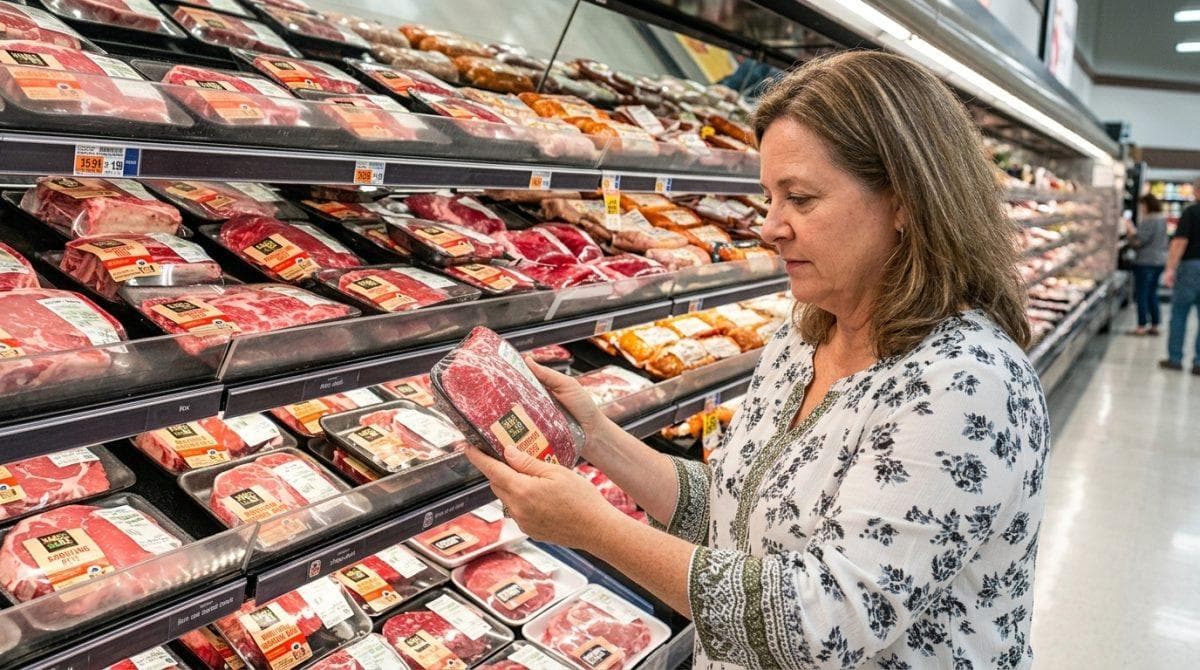
Court administrators define indirect buyers as retail customers who bought processed meat products at supermarkets or grocery stores rather than directly from packing companies; additionally, eligible items include raw pork bacon, as well as fresh or frozen meat from belly, loin, shoulder, ribs and chops purchased within the specified 4-year timeframe. However, the court specifies that consumer meat purchasers must satisfy both geographic location requirements and product type criteria to secure financial compensation; for this reason, applicants should verify their past purchasing regions before initiating the online submission process.
Participating defendants, including Agri Stats and major packing plants, maintain a complete denial of liability while approving the financial resolution; as a result, the presence of consumer meat purchasers in participating jurisdictions dictates who can access the $117M fund before administrative distribution begins. Subsequently, legal representatives emphasize that individual recovery amounts depend heavily on the final count of valid forms received; similarly, market analysts encourage eligible buyers to gather purchase documentation in advance.
State residency requirements for consumer meat purchasers
The settlement covers indirect purchases made in Washington D.C. and 24 specific states that maintain state consumer protection laws and antitrust statutes allowing these claims:
-
Arizona: Allows claims for retail purchases made at grocery store chains statewide.
-
California: Includes residents who bought eligible pork cuts at any commercial establishment.
-
District of Columbia: Protects capital consumers who purchased fresh or frozen pork products.
-
Florida: Covers indirect purchases made at supermarket chains and local markets during the timeframe.
-
Hawaii: Applies to retail buyers who acquired processed pork items across the islands.
-
Illinois: Covers grocery store customers who paid inflated prices on selected meat cuts.
-
Iowa: Includes residents of the producing state who bought bacon and pork belly at retail stores.
-
Kansas: Enables eligibility for consumers who completed indirect purchases at local outlets.
-
Maine: Permits claim submissions for consumer meat purchasers who bought fresh cuts within its jurisdiction.
-
Michigan: Protects households that bought pork at regional supermarkets during the cited period.
-
Minnesota: Covers consumer claims for eligible products purchased at local retail outlets.
-
Missouri: Allows applications for residents who bought fresh or frozen pork cuts statewide.
-
Nebraska: Includes retail buyers who acquired raw bacon and ribs within state borders.
-
Nevada: Enables fund access for consumers who made pork purchases at state commercial venues.
-
New Hampshire: Covers residents who bought processed pork cuts at local supermarkets.
-
New Mexico: Permits claims for indirect meat purchases completed at retail establishments.
-
New York: Covers millions of shoppers who bought pork products at grocery stores statewide.
-
North Carolina: Includes consumers who purchased fresh or frozen cuts at regional outlets.
-
North Dakota: Enables applications for residents who bought bacon and chops at local stores.
-
Rhode Island: Permits claims for retail buyers who acquired pork meat within state lines.
-
South Carolina: Protects consumers who bought pork derivatives at state supermarkets.
-
Tennessee: Covers indirect pork purchases made at authorized commercial establishments.
-
Utah: Includes residents who bought eligible pork cuts at state self-service stores.
-
West Virginia: Enables registration for buyers who acquired pork products at local shops.
Verifying local jurisdiction represents an essential step for consumer meat purchasers seeking inclusion in the settlement distribution process; in fact, residents who completed retail purchases within these boundaries between June 28, 2014, and June 30, 2018, meet all geographic requirements. Furthermore, legal notices emphasize that out-of-jurisdiction claims face immediate administrative rejection; simultaneously, representatives urge applicants to review state-specific terms on the Federal Trade Commission antitrust guidelines and the official portal before completing their paperwork.
Submission guidelines and processing timelines
To ensure proper participation in the court-approved settlement distribution, authorities recommend taking the following registration steps:
-
Review purchase records for eligible raw pork bacon or fresh pork between June 2014 and June 2018.
-
Confirm residency or retail purchase history within 1 of the 24 approved states or District of Columbia.
-
Access the official settlement website to complete the standardized electronic claim form.
-
Submit all required electronic documentation prior to the October 29, 2026 deadline.
Adopting these administrative steps ensures proper registration within the judicial database before funds disperse; in this manner, eligible households secure their position in the legal process with absolute clarity. Court-appointed administrators will continue processing incoming applications until the official window shuts on October 29, 2026, for all registered pork buyers.
