

WATCH NOW
Watch on the app



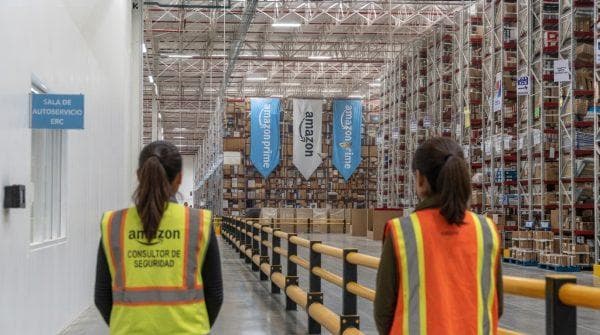











Amazon workers are getting a pay raise plus two benefits that go beyond the paycheck
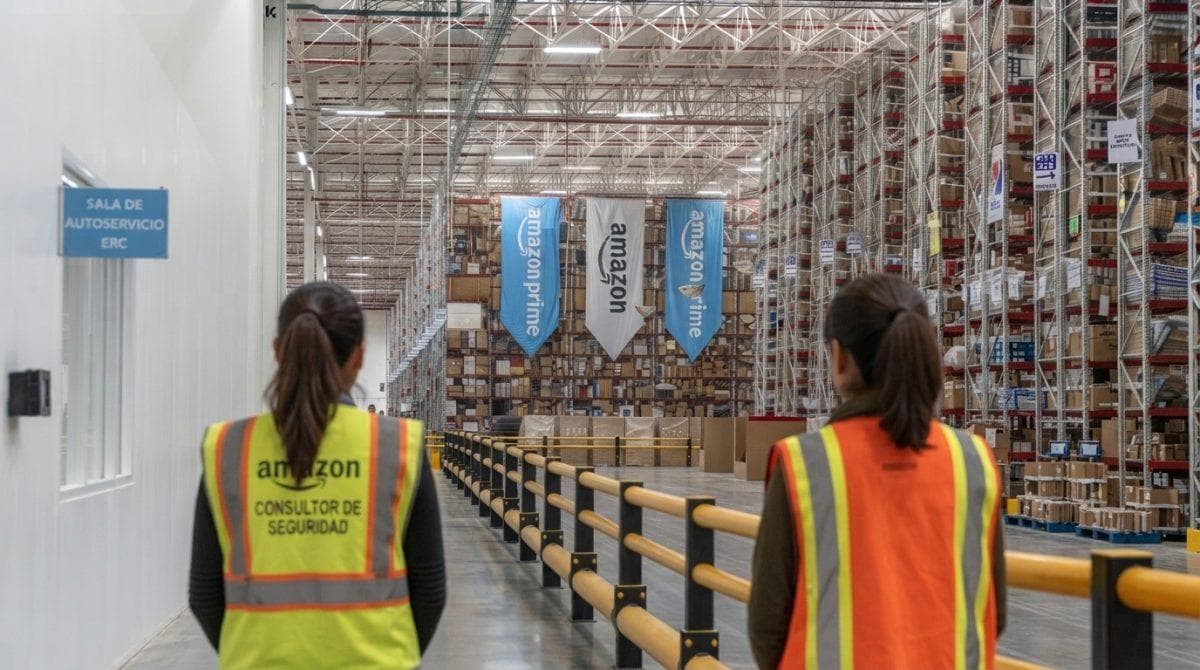
-
Worker wage increase introduces dynamic compensation adjustments as corporate leaders confirm strategic wage enhancements across the United States during September 2026, paving the way for a broader industry transformation.
-
80% of logistics operators receive expanded hourly compensation according to comprehensive payroll metrics published by the Bureau of Labor Statistics.
-
Rising living costs contrast sharply with competitive corporate benefits while economic transformations continue to accelerate across retail sectors.
Amazon pay raise initiates dynamic compensation adjustments as corporate leaders confirm strategic wage enhancements across the United States during September 2026. Frontline staff members secure a minimum starting wage of $20 per hour because corporate leadership establishes a progressive compensation shift driven by competitive labor market pressures. Executive teams announced comprehensive financial upgrades during September 2026 to support workforce retention within major distribution centers nationwide, according to updates from the U.S. Department of Labor.
Corporate strategists across Seattle analyze productivity metrics to ensure that operational efficiency matches these expanded compensation frameworks. $24 per average hour represents the projected nationwide earnings benchmark highlighting significant financial progression for eligible personnel, and structured step-plan increases guarantee that loyal staff members achieve continuous wage growth during their first three years of employment, as confirmed by reports from the National Retail Federation. Furthermore, Udit Madan, senior vice president of worldwide operations at Amazon, explained that structured annual plans provide a clear path for salary growth over the initial three year period.
Corporate planners implement this wage adjustment just before the peak shopping season to meet surging demand, raising the minimum starting pay by $1 to reach $20 per hour for primary operations personnel and pushing total average hourly compensation past $32 through added food discounts and banking services.
The financial impact of Amazon pay raise
Generational retail evolution demands robust economic incentives to mitigate high employee turnover rates, prompting corporate administrators to attribute sustained operational stability to these progressive wage structures. Active daily logistics operations involving millions of processed packages require dedicated personnel who maintain peak performance standards, preventing supply chain bottlenecks.
Accelerating corporate expenditure creates severe pressure on operating margins, forcing financial planners to reevaluate labor budgets and automation investments. 10% grocery discount options starting October 1 currently inspire new consumer spending habits across internal digital marketplaces backed by the U.S. Chamber of Commerce, and worker wage increase remains a primary focal point for retail labor analysts. Eligible online grocery purchases include fresh foods, pantry essentials and general products shipped directly by the company, alongside delivery and catering orders through Whole Foods Market.
Corporate benefit specialists examine banking partnerships and familial welfare programs that contribute to overall job satisfaction, highlighting regional employment retention spikes across major logistics hubs. Financial wellness tracking metrics demonstrate how structured banking access through the newly added First Tech Federal Credit Union membership influences long-term career dedication, providing qualifying employees and their families with lifetime banking services. 20% store discounts at Whole Foods markets, covering nearly all items except gift cards and alcoholic beverages, provide substantial cost of living relief, allowing workers to combine these savings with coupons and Subscribe & Save.
Ver esta publicación en Instagram
Worker wage increase drives comprehensive employee benefits
Declining retention rates threaten long-term supply chain stability as inflation metrics hover near 3.2% annually, requiring expanding corporate compensation packages that support retail cohorts with enhanced purchasing power. Official corporate projections estimate that logistical investments could reach $5,000,000,000 by year-end, contrasting sharply with historical expenditure peaks. Human resources leaders implement innovative family support initiatives to mitigate financial obstacles associated with urban living costs, building upon previous milestones such as reduced healthcare plan costs for supply chain employees.
Corporate compensation policy reflects historical trends that modern planning must carefully address. Across these unfolding pressures, structural evaluations exemplify the critical need for sweeping workplace welfare reforms.
Workplace modernization initiatives
Economic analysts warn that severe regional labor shortages will impact retail and delivery sectors unless corporate compensation packages undergo comprehensive modernization, noting that rising housing costs discourage younger demographics from establishing stable households near major fulfillment centers.
Local distribution hubs invest heavily in workplace safety technologies to offset physical fatigue, maintaining productivity standards across critical supply chains while responding to expanding Amazon pay raise benchmarks. Following industry evaluations published by The Hill, rival retail competitors maintain contrasting metrics where Walmart reports an average hourly rate of $18.50 for frontline workers alongside $27.50 for supply chain personnel, while Target similarly documents frontline averages of $18.50 with starting pay scaling between $15 and $24 depending on role and location.
These organizational updates arrive following years of labor negotiations across corporate facilities, including a prominent December 2024 strike led by the Teamsters union across seven installations to secure favorable employment terms, alongside a landmark compliance settlement finalized that same month with the Occupational Safety and Health Administration requiring mandatory ergonomic safety upgrades nationwide. $18.50 per average hour documented across rival retail competitors demonstrates the competitive scale of twenty-first-century corporate wage expansion.
Assessing structural performance metrics
-
Academic labor economists gather comprehensive compensation samples from exceptional retail cohorts, analyzing hourly wage variations ahead of the milestone, referencing data from the Bureau of Labor Statistics regarding worker wage increase.
-
Corporate human resources departments collaborate with financial institutions, publishing detailed reports regarding banking access impacts on employee retention.
-
Specialized workplace teams conduct longitudinal comfort assessments across 1,200 fulfillment centers, evaluating physical well-being among personnel surpassing standard operational tenure requirements.
Corporate innovators anticipate groundbreaking operational discoveries that transform global retail paradigms by translating ergonomic welfare markers into practical productivity applications, establishing robust preventative frameworks for workforce populations worldwide. International retail leadership ensures that advanced compensation research continuously redefines employment standards within Amazon pay raise.
