

WATCH NOW
Watch on the app




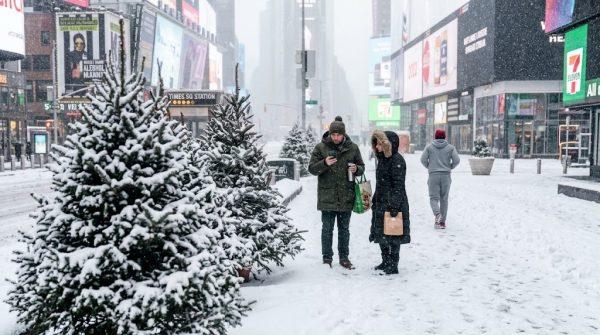







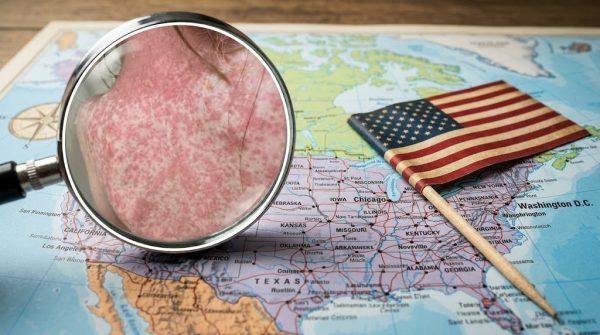

White Christmas 2026 forecast reveals which U.S. regions could see snow on December 25
-
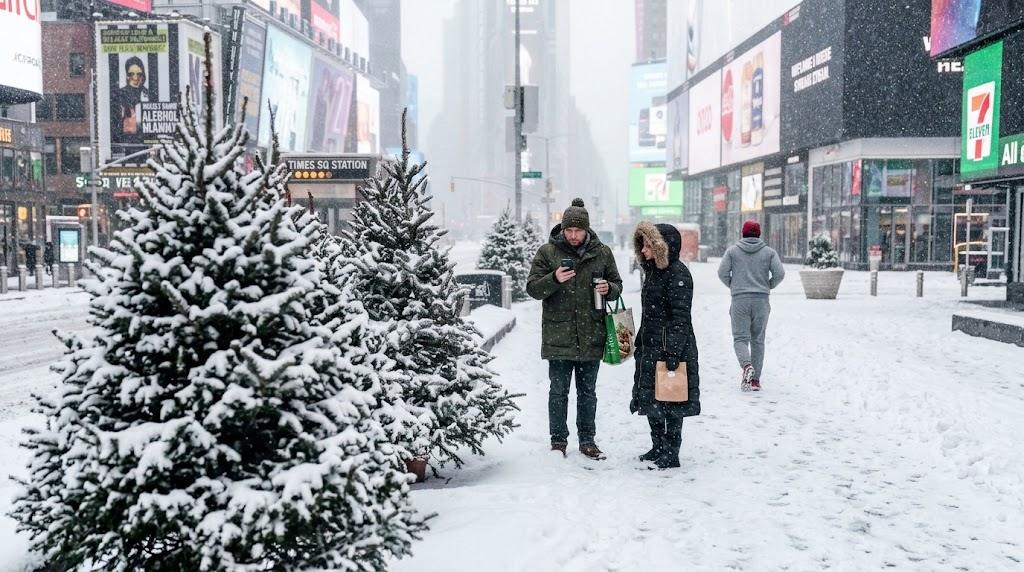
Snow on December 25 faces distinct regional climate variations across key U.S. corridors, shaping holiday travel expectations.
-
Long range meteorological models combine solar activity data and ocean temperatures to map potential winter storm paths.
-
Official National Weather Service standards demand a measured 1 in snowpack to confirm a traditional white holiday.
The long range meteorological model from The Old Farmer’s Almanac predicts that a White Christmas 2026 will mainly cover the Northeast, the Intermountain West and Alaska, where dropping temperatures and winter storm systems create ideal conditions for heavy holiday accumulation, while coastal areas further south expect milder conditions. High elevation zones in Idaho, Nevada, Utah, Colorado, Wyoming, Montana, Arizona, and New Mexico show prime setup for ground snowpack on December 25, establishing optimal freezing conditions across high altitude corridors during the third week of the month.
Meanwhile, geographic boundaries play a critical role in local weather predictions, as New York City sits within the Atlantic corridor rather than the Northeast region, altering its specific holiday outlook compared to upstate areas. The Almanac anticipates above average snowfall during mid to late December across northeastern states, whereas precipitation patterns across northern and southern Alaska will vary significantly throughout the winter season.
Atmospheric modeling and winter climate indicators
The official meteorological evaluation combines solar science, historical climate records, and solar activity patterns with complex environmental variables such as El Niño, defined as the warming of surface waters in the equatorial Pacific Ocean. Atlantic and Pacific ocean temperatures alongside the Quasi-Biennial Oscillation drive storm trajectories, giving forecasters a reliable foundation for long range seasonal predictions without replacing official daily updates from federal weather agencies.
Similarly, shifting polar vortex patterns can push Arctic air masses far south into lower latitudes before late December, increasing chances for frozen precipitation across vulnerable corridors where snow on December 25 remains possible. Monitoring atmospheric jet stream movements helps meteorologists track extreme cold snaps, ensuring that seasonal outlooks deliver clear insights for communities preparing for severe winter weather.
Regions with moderate chances of holiday snowfall
-
White Christmas 2026: Communities along the Canadian border in the Lower Great Lakes maintain steady opportunities for seasonal accumulation due to lake effect moisture off the water.
-
Ohio Valley: Municipalities across Ohio, Indiana, and Kentucky show favorable conditions for intermittent freezing events throughout late December.
-
High Great Plains: Central and northern plains regions present strong atmospheric setups for temporary ground cover prior to the holiday weekend.
-
Pacific Northwest: Elevated mountain passes across the northwestern region exhibit ideal thermal patterns for holding early winter snowpack.
-
Southern Appalachians: Higher elevations in the eastern mountains project periodic freezing weather, though northern sections of the chain sit outside this specific category.
Loading video...Loading Video
Meteorological standards and snow free regions in the White Christmas 2026 forecast
The seasonal forecast map explicitly excludes several major regions from holiday snowpack, including the Atlantic corridor, the Southeast, Florida, the Deep South, the Upper Midwest, the Heartland, Texas, Oklahoma, the Desert Southwest, the Pacific Southwest and Hawaii. Milder air masses across southern states prevent long term ground freezing, meaning residents in these areas will experience dry or temperate conditions on Christmas morning.
Ultimately, official U.S. weather criteria set by the National Weather Service require a measured ground accumulation of at least 1 in, or 2.54 cm, on the morning of December 25 to declare a true White Christmas 2026, though this long range outlook does not constitute an official warning. Travelers should consult local forecasts as December progresses to verify exact ground conditions, ensuring proper holiday planning before heading out for White Christmas 2026.
