

WATCH NOW
Watch on the app






Where Trans Americans Find Community, Safety and a Sense of Home
In Chicago, Brave Space Alliance is doing something about it. Founded by Black trans activists, the organization offers food assistance, support groups, and a Dignity Suite where people can access clothing, wigs, binders, and other gender-affirming essentials. It’s practical help, but also an opportunity to connect with people who understand the challenges of everyday life.
On the West Coast, San Francisco’s Transgender District takes a different approach. Located in the historic Tenderloin neighborhood, the district hosts art exhibitions, workshops, performances, and community gatherings. Its calendar has included everything from skincare sessions to drag shows, alongside programs helping residents navigate legal name changes and other practical needs.

When safe spaces are harder to keep open
The need is real. An October 2026 report from the Movement Advancement Project and CenterLink found that 76% of the 175 LGBTQ community centers surveyed had experienced threats or harassment. Many also face financial pressures that make their work harder.
And community doesn’t always require a physical address. For people living far from LGBTQ centers, online groups and peer support services like Trans Lifeline can offer another way to connect. Family members, coworkers, and longtime friends can be just as important.
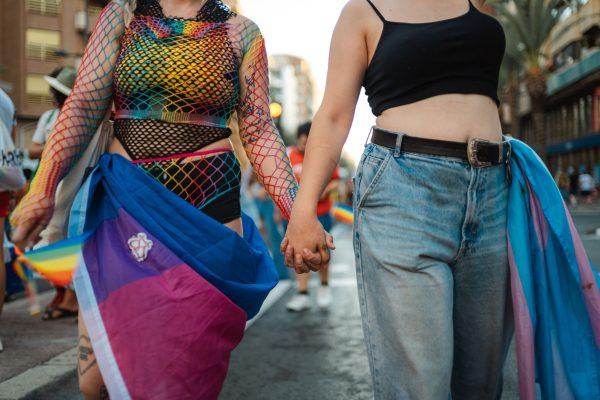
Being trans doesn’t automatically mean someone lacks a supportive family, and there’s no single way to find that sense of home. Sometimes it’s a neighborhood organization. Sometimes it’s a group chat that turns into real friendships.
And sometimes, it’s just having people who text you on Friday to see what you’re doing this weekend.
