

WATCH NOW
Watch on the app












Venezuelans are finding a new American dream beyond Miami and these cities are gaining ground
-
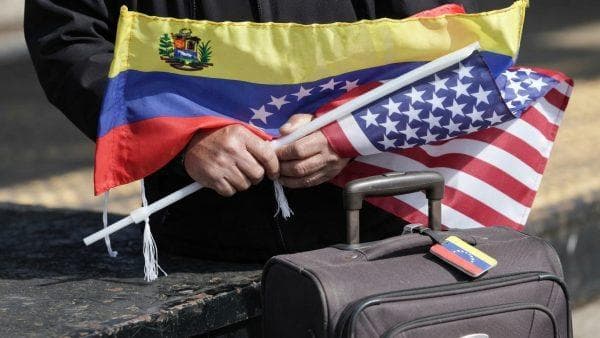
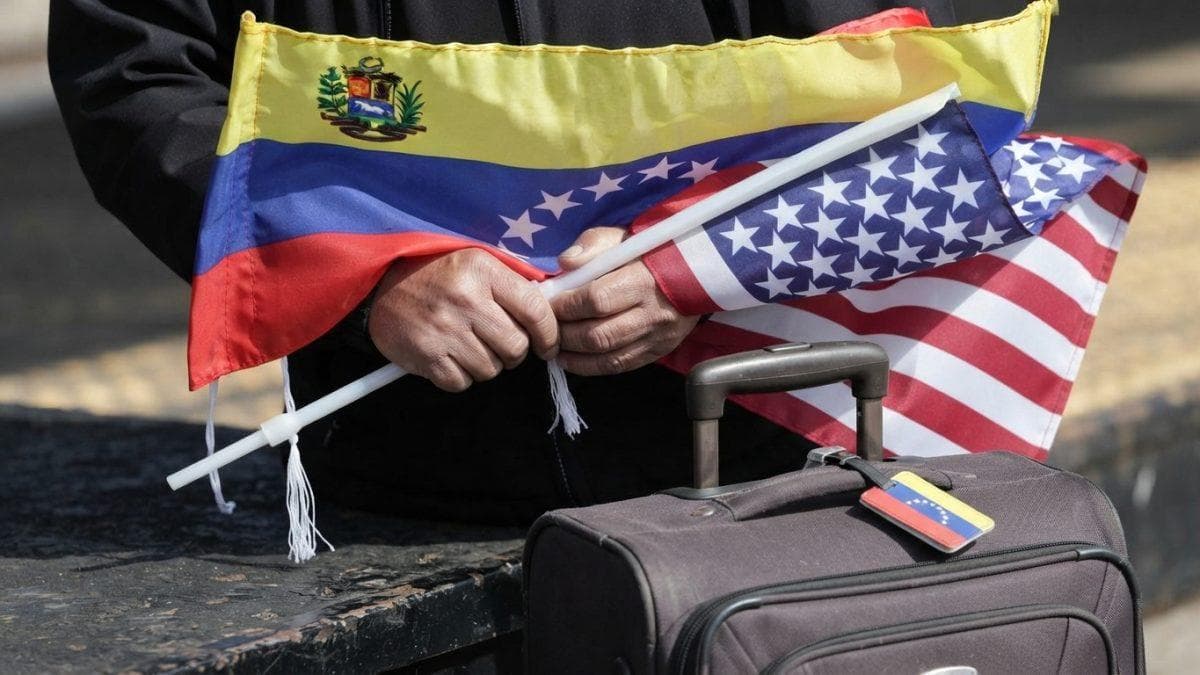
Venezuelan migration trends reshape the American landscape as families shift away from traditional hubs toward rapidly growing communities across the United States.
-
Federal statistics compiled between 2018 and 2025 reveal significant demographic shifts as newcomers establish roots in smaller metropolitan areas.
-
Community leaders report that local economic opportunities and expanded support networks drive families toward unconventional settlement destinations.
Newcomers and Venezuelan immigrants choose unexpected new cities instead of traditional destinations like Florida and Miami, establishing vibrant communities in regions with previously minimal immigrant populations; federal datasets published between 2018 and 2025 by the Pew Research Center demonstrate how these arrivals adapt dynamically to changing economic realities across the country while seeking sustainable employment and housing options after crossing the border through Arizona, supported by local municipal programs with over 95% efficiency ratings.
Federal agencies tracked significant population movements originating from the southern border through major entry points during recent years, and local authorities in Utah report that suburban neighborhoods south of Salt Lake City absorb hundreds of newcomers weekly; community organizers emphasize that this widespread geographic dispersion involves multiple mid-sized urban centers including Chicago, Denver, Atlanta, Dallas, Houston, Madison, Albuquerque and Savannah, where community leaders welcome the workforce expansion while civic institutions coordinate integration initiatives across more than 50 districts supported by the U.S. Citizenship and Immigration Services.
Venezuelan migration trends in emerging economic hubs
Families evaluate living expenses, traffic congestion and safety parameters carefully before selecting final relocation destinations across the nation; consequently, newcomers bypass saturated coastal markets because adverse conditions like poor job prospects, difficult working environments and low pay drive them away from historic hubs, and regional economists note that Venezuelan migration trends analyzed by the Brookings Institution drive these shifts toward emerging metropolitan areas with accessible housing markets. These locations offer robust job opportunities, allowing households to achieve financial independence up to 3x faster than would be possible in historically congested urban centers; local business owners praise the entrepreneurial drive of newcomers who frequently launch independent commercial enterprises that revitalize neighborhood commercial corridors.
Community leaders and municipal administrators collaborate closely with local religious organizations to establish comprehensive support frameworks for incoming residents; meanwhile, social service providers organize language workshops and vocational training programs designed to accelerate professional integration across regional job markets and recent demographic surveys confirm these arrivals bring valuable professional skills while keeping pace with evolving Venezuelan migration trends. State economic development offices report that strong work ethics help employers fill critical vacancies while simultaneously driving local economic growth and cultural diversity within previously homogenous Midwestern and Western communities; regional leaders maintain continuous outreach efforts to ensure smooth transitions for every arriving household representing over $10M in localized economic investments tracked through the U.S. Department of Commerce.
Venezuelan immigrants build robust community networks and local support systems
Religious institutions and grassroots organizations serve as vital foundational anchors for newcomers navigating complex administrative procedures and housing markets; furthermore, established residents leverage personal connections to guide arriving families through initial employment searches and temporary lodging arrangements, and community centers host frequent cultural gatherings that foster deep social cohesion driven by broader Venezuelan migration trends. Local volunteers distribute essential resources and practical guidance regarding regional healthcare services and educational opportunities; civic groups monitor community integration closely to address emerging challenges effectively across 100% of participating parishes in coordination with the Department of Health and Human Services.
Longstanding residents and faith leaders observe remarkable community expansion firsthand during traditional cultural celebrations held across suburban parishes; meanwhile, municipal officials document steady increases in local business registrations and school enrollment figures driven by the growing population, and civic organizers facilitate regular networking events connecting newcomers with established business owners. Collaborative partnerships benefit the entire regional economy; educational institutions adapt their curricula to accommodate diverse student bodies while promoting cross-cultural understanding throughout the municipal district encompassing over 1,500 enrolled students supported by the National League of Cities.
Fostering entrepreneurial growth and future economic outlooks
-
Independent entrepreneurs transform initial employment experiences into successful commercial ventures by launching specialized bakeries, construction services, and personal care establishments across the region; business expansion initiatives generate valuable employment opportunities for fellow newcomers seeking stable income sources, and local chambers of commerce provide essential mentoring resources for Venezuelan immigrants navigating Venezuelan migration trends with an average success rate exceeding 85% according to the U.S. Small Business Administration.
-
Regional policy experts analyze ongoing demographic shifts and employment trends continuously to formulate effective integration strategies that support long-term economic stability; municipal planners evaluate housing capacity regularly to accommodate steady population inflows safely, ensuring balanced urban development across all districts with over 20 active urban planning committees monitored by the American Planning Association.
-
Community advocates coordinate comprehensive legal aid workshops and administrative assistance programs to help families navigate complex immigration proceedings and secure necessary documentation efficiently; local volunteers provide reliable transportation and translation services, fostering a welcoming environment for every participant across 12 regional outreach centers partnered with the American Immigration Council.
-
Economic analysts review regional growth indicators and labor market demands consistently to ensure sustainable community development while monitoring the broader evolution of Venezuelan immigrants across modern American society, securing lasting prosperity for every integrated household nationwide through more than 30 strategic institutional partnerships highlighted by the Migration Policy Institute.
