

WATCH NOW
Watch on the app












How one Mexican translator helped turn Star Wars into a Latino pop culture phenomenon
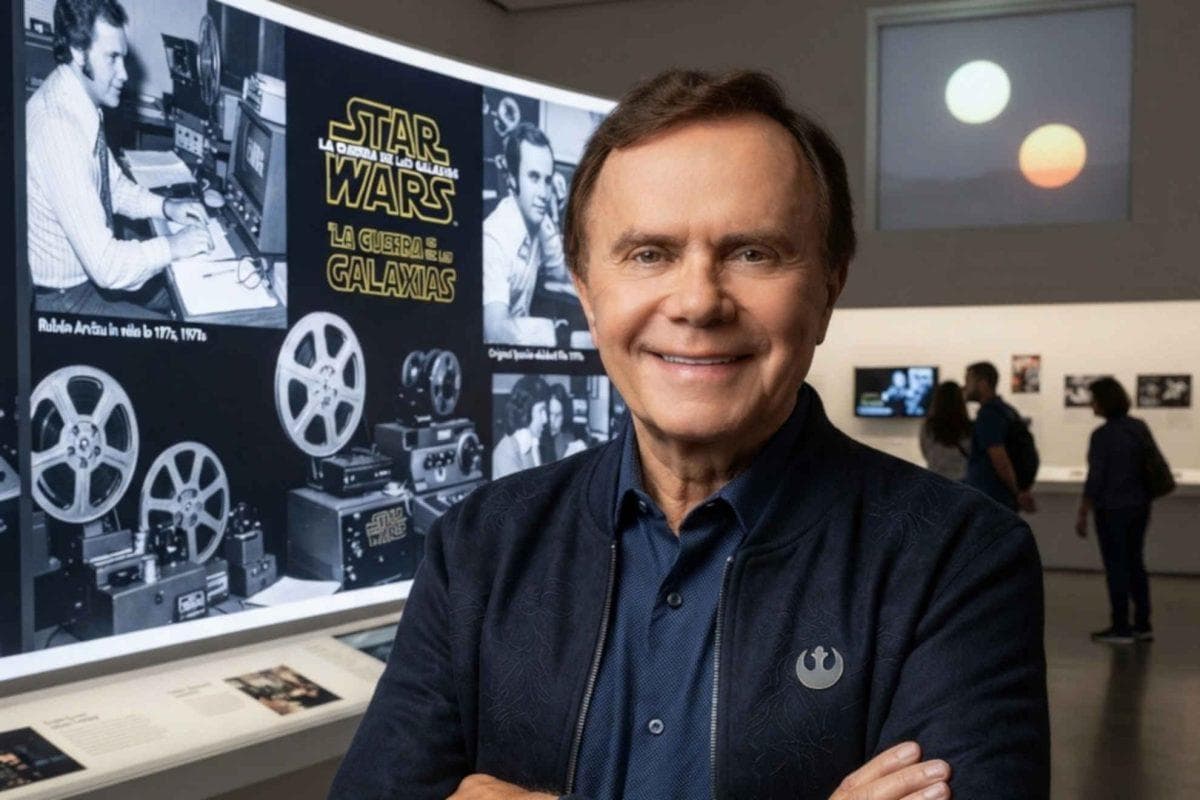
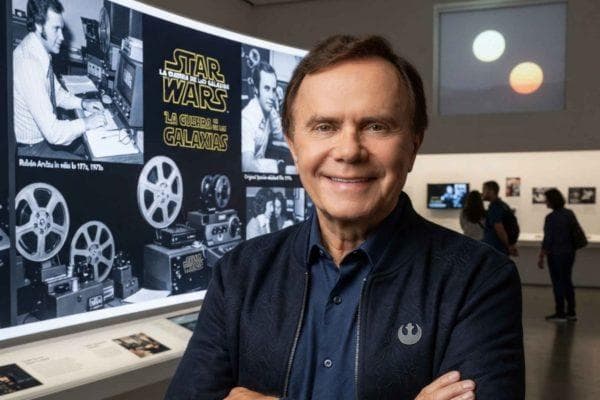
- Talented Mexican translator and voice actor Rubén Arvizu recounts how he adapted the original script of the galactic saga in Los Angeles during 1977.
- The opening of the imposing Lucas Museum of Narrative Art in The United States revives the importance of Latino representation in the franchise.
- The veteran artist passionately defends the human value of dubbing against the growing technological threats of artificial intelligence.
The Mexican genius who conquered a galaxy far, far away
Global pop culture history holds a fundamental chapter in the hands of Rubén Arvizu, a multifaceted Mexican creator who made it possible for millions of Spanish speakers to enjoy Star Wars in their own language after translating the original script in 1977 through a tailored dubbing process; while the opening of the impressive Lucas Museum of Narrative Art in The United States celebrates the impact of these films, it remains fascinating to remember how this pioneer moved to California alongside Estudios Sonoros Mexicanos to found Sono-Mex Hollywood. During an era when ADR lip-sync technology began transforming the global film industry, Arvizu analyzed every detail of George Lucas’s masterpiece to equip the characters with a unique essence that would forever connect the entire Latino community with the force.
The art of dubbing and memories of a golden era
Raised in an artistic environment under the tutelage of his older brother Jorge, better known as El Tata, young Rubén Arvizu took on the gigantic challenge at just 17 years old of adapting dialogues through dubbing that needed to resonate naturally across Latin America without losing the identity of the Star Wars protagonists. His collaborative work with legendary cinema voices allowed unforgettable actors to bring Uncle Owen, Princess Leia, Darth Vader and Luke Skywalker to life in Spanish, creating an indelible emotional bond transcending entire generations in The United States and beyond. Far from modifying original names with forced gimmicks, his primary objective consisted of respecting the brilliance of George Lucas’s original narrative, demonstrating that film translation is a handcrafted trade where human sensitivity makes an absolute difference against any language barrier.
The current battle of a living legend against artificial intelligence
Today, boasting over eight decades of impeccable career experience including memorable work in the film Space Jam featuring basketball star Michael Jordan, Rubén Arvizu leads a brave fight to protect the future of dubbing against the worrisome invasion of artificial intelligence. After documenting his memories and experiences in a book titled Whose Voice Is That You Hear?, the beloved translator and artist warns about the evident dangers of replacing human talent with cold algorithms, recalling the massive backlash platforms like Amazon Prime Video suffered when attempting to automate series with disastrous results. Thus, while the public celebrates the magic of the Star Wars galactic saga and tours the new cultural facilities in The United States belonging to George Lucas’s museum, the voice of this great Mexican reference resonates strongly to remind us that genuine emotions in cinema can only be born from people’s hearts.
