

WATCH NOW
Watch on the app













California is changing what kids can eat at school with new law signed by Newsom
-
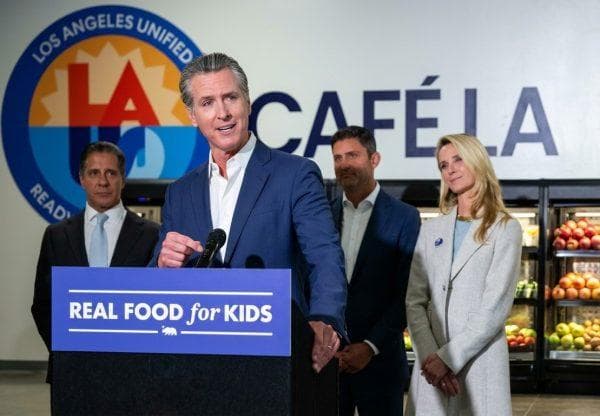
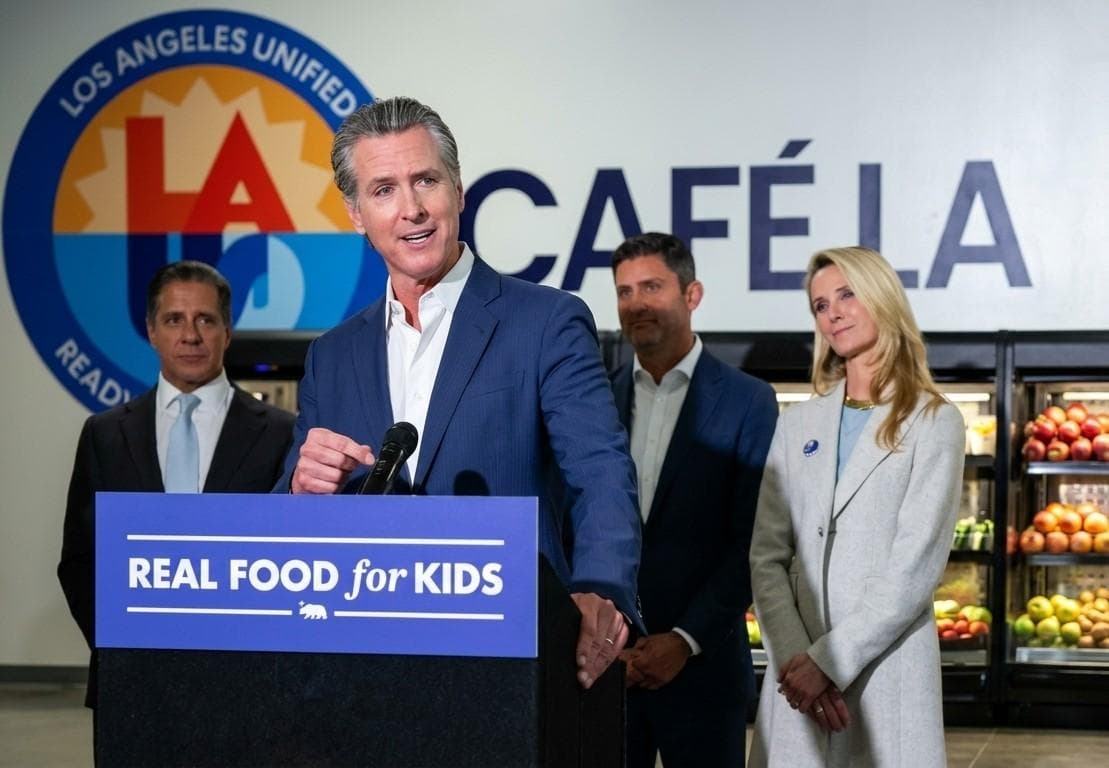
This student nutrition law and Governor Gavin Newsom enact Senate Bill 172 to secure permanent funding that connects local farms directly with school cafeterias through the statewide Farm to School program.
-
This visionary initiative radically transforms student meals by prioritizing fresh, minimally processed ingredients sourced from regional family producers.
-
State authorities reinforce their commitment to child health by allocating continuous resources that strengthen food infrastructure and teach young generations sustainable dietary habits.
California school meals stand at the center of a historic shift as Governor Gavin Newsom signed Senate Bill 172 in July 2026 to establish the Farm to School initiative as a permanent pillar within the state educational system; furthermore, the Governor’s Office and the California Department of Food and Agriculture confirmed through official statements that this legislation guarantees nutritious, locally grown ingredients for millions of students. Through this landmark measure, the state administration drives a pioneering model that merges food security with regional economic development and practical classroom education; therefore, the policy fundamentally transforms how educational institutions manage cafeterias and stock pantries starting with the current fiscal cycle under this student nutrition law.
California school meals and structural policy impacts
Since 2021, the state administration has channeled $86M into 375 projects via competitive grant programs, successfully benefiting 49% of enrolled students across public schools statewide; moreover, official economic analyses demonstrate that every single dollar invested generates a $2.10 return within local communities, dynamically boosting regional markets.
Meanwhile, 80% of the beneficiary educational facilities correspond to Title 1 schools, ensuring that resources reach populations facing severe socioeconomic challenges directly; consequently, the student nutrition law creates an immediate, measurable impact on shrinking nutritional gaps that burden vulnerable families across the region.
Agricultural integration and community economic benefits
Every single farmer selected to supply school cafeterias belongs to small, medium, or socially disadvantaged producer groups; additionally, these growers implement entirely organic, regenerative, and climate-smart agricultural practices that protect the local environment.
Subsequently, the legislation mandates that continuous budgetary allocations starting in the 2026-27 fiscal period will fund kitchen infrastructure, specialized equipment, and workforce training for food service personnel; likewise, the Farm to Fork Office coordinates critical technical assistance to maintain a seamless, sustainable supply chain linking agricultural fields directly to California school meals, driven by the student nutrition law.
Student nutrition law frameworks and nutritional equity
Educational institutions deploy innovative pedagogical strategies linking classroom curricula directly with hands-on experiences in school gardens, educational farm visits, and culinary workshops that honor local food traditions; therefore, students learn the importance of balanced diets from an early age while developing robust environmental awareness and community roots through California school meals.
Today, organizations like Feeding America warn that food insecurity disproportionately targets vulnerable demographics; thus, expanding these vital public initiatives serves as an indispensable tool for mitigating childhood hunger everywhere under this student nutrition law.
Ver esta publicación en Instagram
