

WATCH NOW
Watch on the app













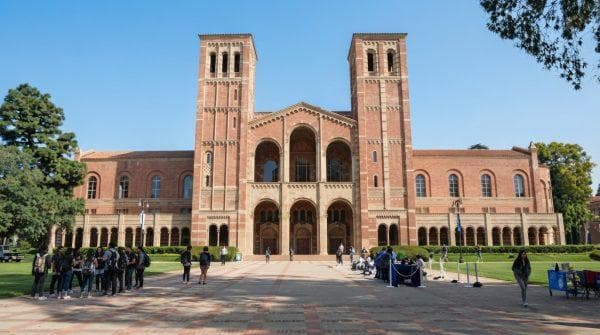

SAT could make a comeback at the University of California and future applicants should be ready
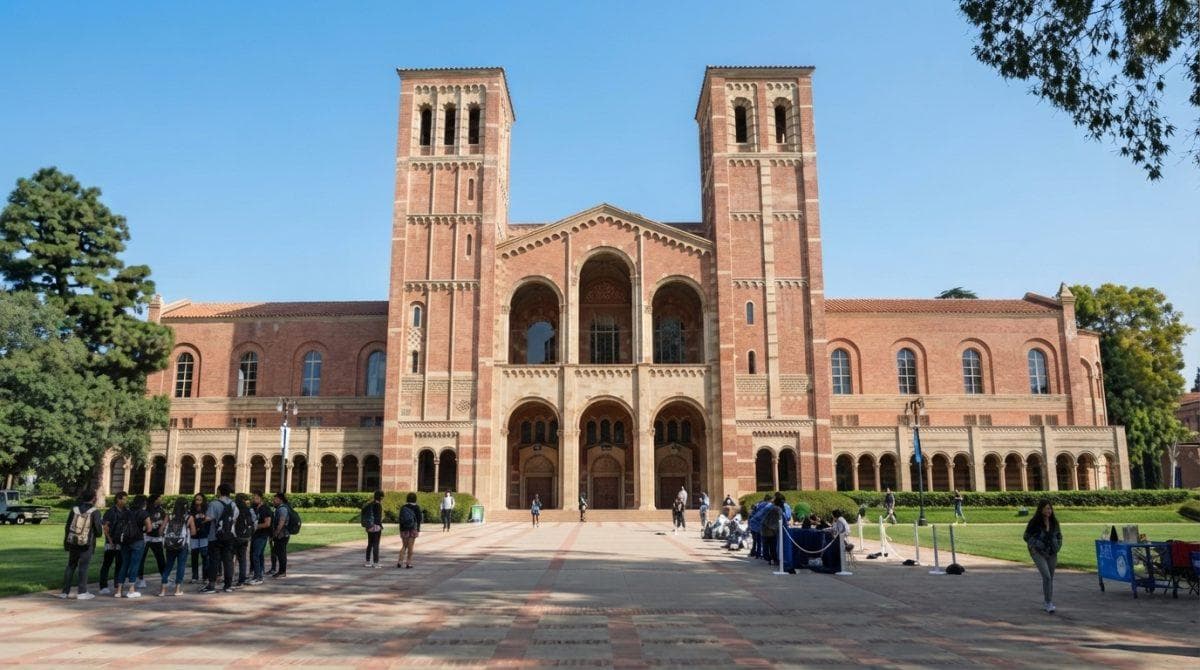
-
SAT requirement return sparks intense debates as university regents evaluate standardized testing for admissions, driven by more than 3,000 professors requesting the exam’s reinstatement due to initial academic challenges.
-
Comprehensive reviews include public hearings alongside rigorous evaluations regarding the completion of the A-G requirement across all high schools.
-
February and June mark critical months when admission committees present official reports while the Academic Senate submits formal recommendations to university regents.
University of California evaluates the return of the SAT for college admissions, driven by more than 3,000 professors requesting policy changes across all nine undergraduate campuses; furthermore, academic leaders analyze this proposal during September 2026 to balance equitable access with student preparedness. Meanwhile, university administrators actively study the implementation of standardized testing requirements for upcoming cohorts, ensuring that institutional standards remain competitive. 93% retention rates demonstrate strong initial outcomes across general student populations.
The SAT (Scholastic Assessment Test) is a standardized test used for college admission in the United States, Canada, and some universities in Europe. This test, administered by the College Board, evaluates critical thinking skills, problem-solving, and analysis, which are key for success in college. The SAT lasts 3 hours and 45 minutes and is divided into three main sections: Reading, Writing, and Math.
The debate about the SAT requirement return
Academic reviews began after instructors demanded test reinstatements; consequently, professors detected mounting difficulties, elevated failure rates and rising dropout figures in introductory courses. Conversely, institutional data highlights favorable outcomes, reporting that 74% four year graduation rates validate current academic progression as the system weighs a potential SAT requirement return.
Specific campuses like UCLA achieved unprecedented milestones, reaching 97% first-year retention alongside remarkable graduation benchmarks; additionally, average first-year GPAs climbed from 3.1 to 3.3 over the past decade. STEM programs further reflect this positive momentum, recording 73.4% degree completion figures.
Critical perspectives and opposing viewpoints
Prominent scholars from UC Berkeley and UC Merced reject the proposed mandate categorically; thus, academic critics argue that reinstating exams fails to resolve fundamental preparation gaps or improve classroom performance. Furthermore, records show that only 26% of graduating seniors completed the College Board assessment in California during 2025.
Detractors emphasize that holistic evaluation frameworks successfully preserve socioeconomic and cultural diversity across state campuses; therefore, eliminating current exemptions risks penalizing underrepresented populations who rely on alternative admission pathways. Proponents counter that quantitative metrics provide objective evaluations regarding the SAT requirement return, keeping the core institutional debate fiercely alive.
Institutional timelines at University of California and upcoming milestones
-
Admissions committees will deliver detailed evaluation reports in February, outlining comprehensive student performance findings ahead of the SAT requirement return.
-
Academic Senates will submit formal policy recommendations to the board of regents by June, shaping future regulatory frameworks for undergraduate admissions.
-
Public participation hearings will complement administrative reviews, assessing mandatory course compliance across secondary institutions.
University stakeholders eagerly anticipate definitive administrative rulings that will establish robust operational frameworks for higher education; additionally, institutional authorities maintain that upcoming determinations will set nationwide precedents for modern admissions criteria. Administrative leadership ensures that future academic standards will continuously redefine educational excellence at University of California.
Ver esta publicación en Instagram
