

WATCH NOW
Watch on the app










California classic car owners just scored a major win under Jay Leno’s new law*
-
Vintage vehicle waiver provisions exempt certain classic models from state smog check requirements while introducing structured operational limits.
-
California classic car owners gain major regulatory relief through landmark legislation signed by state leaders; additionally, a vintage vehicle waiver ensures long-awaited exemptions from state requirements.
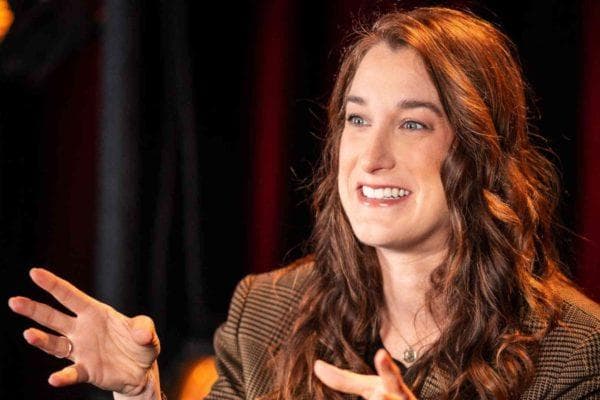
- Governor Gavin Newsom signed Senate Bill 1392 alongside automotive enthusiast Jay Leno in Burbank to celebrate the historic milestone.
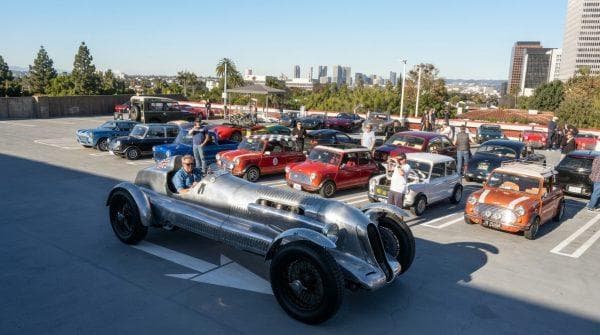
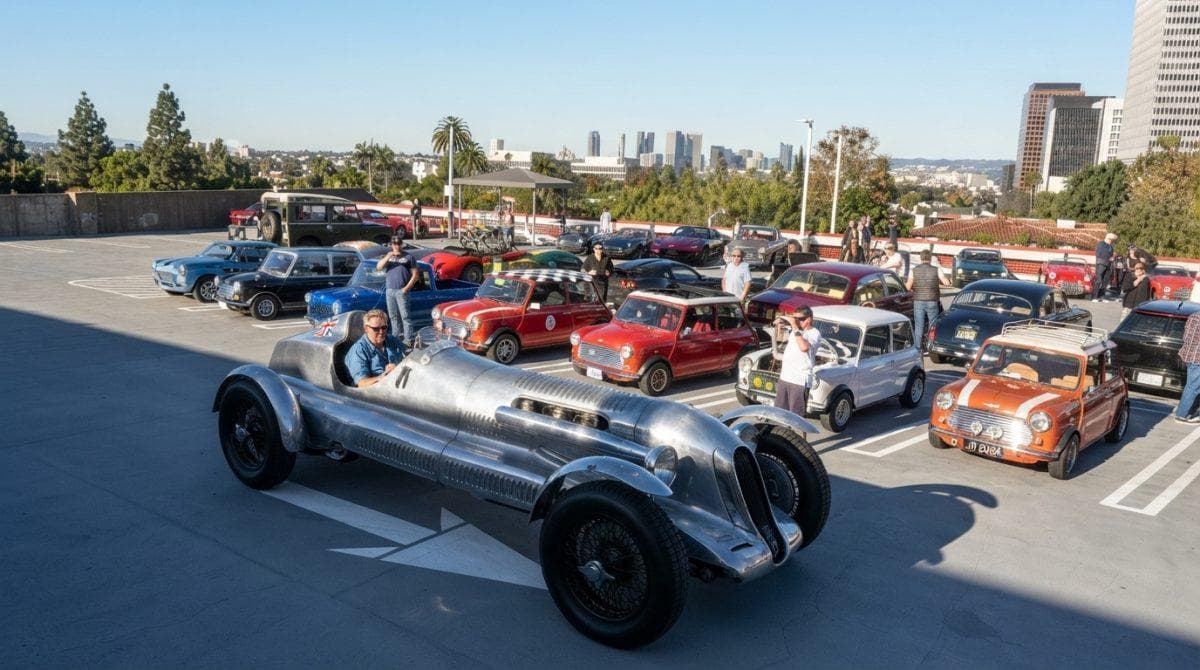
California classic car owners secure major regulatory relief after state leaders approve landmark legislation; furthermore, Governor Gavin Newsom visits a famous workshop in Burbank featuring over 150 vehicles to formalize the agreement alongside Jay Leno. Local motorists spend years pushing for updated rules; moreover, advocacy efforts emphasize that enthusiasts drive these specialized units exclusively for short distances during special exhibitions, benefiting directly from a vintage vehicle waiver.
Lawmakers craft this comprehensive framework to modernize state oversight without compromising environmental protection; meanwhile, industry participants note that vehicles manufactured between 1976 and 1985 frequently travel minimal distances annually. Stakeholders successfully demonstrate the necessity of a practical exemption system; consequently, state officials establish structured operational guidelines to accommodate these heritage models.
Legislative background and key California classic car regulatory updates
Automotive enthusiasts celebrate a historic victory when state leaders approve Senate Bill 1392; furthermore, policymakers acknowledge that collectible models maintain extremely low mileage. Historical units face stringent environmental evaluations previously; however, the updated framework introduces a progressive vintage vehicle waiver schedule. Governor Newsom travels directly to the Burbank garage to sign the measure; subsequently, famous collector Jay Leno joins the landmark ceremony.
The legislation establishes strict criteria for qualifying vehicles to receive official regulatory relief; specifically, operators ensure their automobiles meet defined operational parameters. Eligible units exceed 35 years of age; additionally, drivers utilize them primarily for exhibitions, parades or charitable functions. Owners cannot rely on these vintage machines as primary transportation options; instead, operators maintain specialized insurance or restrict annual mileage below 1,000 miles.
Ver esta publicación en Instagram
Timeline and gradual rollout of the measure
State authorities engineer this implementation phase carefully; starting Jan. 1, 2028, the initial rollout encompasses eligible models manufactured through 1981. Subsequent milestones incorporate additional model years annually until reaching vehicles built before 1986 by Jan. 1, 2033; moreover, this phased approach secures administrative stability for regulatory agencies administering a vintage vehicle waiver.
Essential compliance requirements for vehicle owners
-
California classic car units meet the minimum age requirement to qualify for regulatory relief under a vintage vehicle waiver.
-
Operators face strict prohibitions against utilizing these collectible units as daily transportation.
-
Owners maintain specialized collector vehicle insurance or prove annual mileage remains under 1,000 miles.
-
The state implements the rollout progressively starting with older eligible model years.
Transportation authorities outline rigorous guidelines regarding vintage automobile verification; furthermore, compliance monitoring remains essential for program eligibility while the Department of Motor Vehicles coordinates closely with regional enforcement divisions, as inspectors verify odometer readings and insurance documentation during periodic evaluations. Industry experts observe that previous restrictions impose heavy burdens on collectors; consequently, these updated allowances modernize state oversight effectively while environmental agencies maintain general oversight for modern fleets and accommodate historical preservation efforts, ensuring lawmakers balance ecological goals with cultural heritage protection successfully through a vintage vehicle waiver.
Cultural impact and future of the regulations
Legislative leaders also approve a complementary measure authorizing specialized license plates for automotive cultural traditions; specifically, Assembly Bill 2541 establishes the Lowrider plate program to generate resources for youth initiatives. State representatives emphasize that cultural preservation drives local administrative priorities; structural funding mechanisms support regional arts initiatives directly. Municipal jurisdictions advance the rollout of these community programs smoothly; participating drivers project strong optimism regarding future automotive policies while regional preservation efforts are powered by every California classic car, supported by a vital vintage vehicle waiver.
