

WATCH NOW
Watch on the app













The ozone hole is changing in a way scientists haven’t seen in decades
-
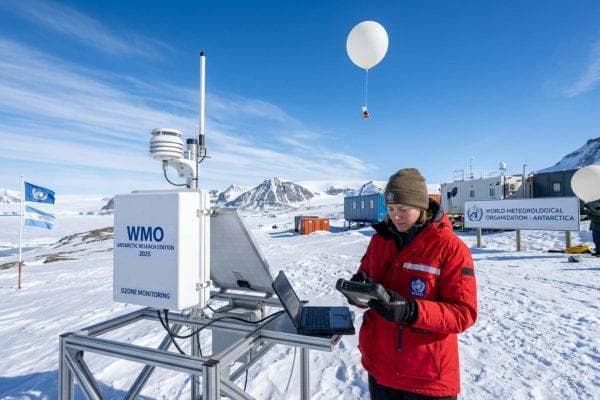
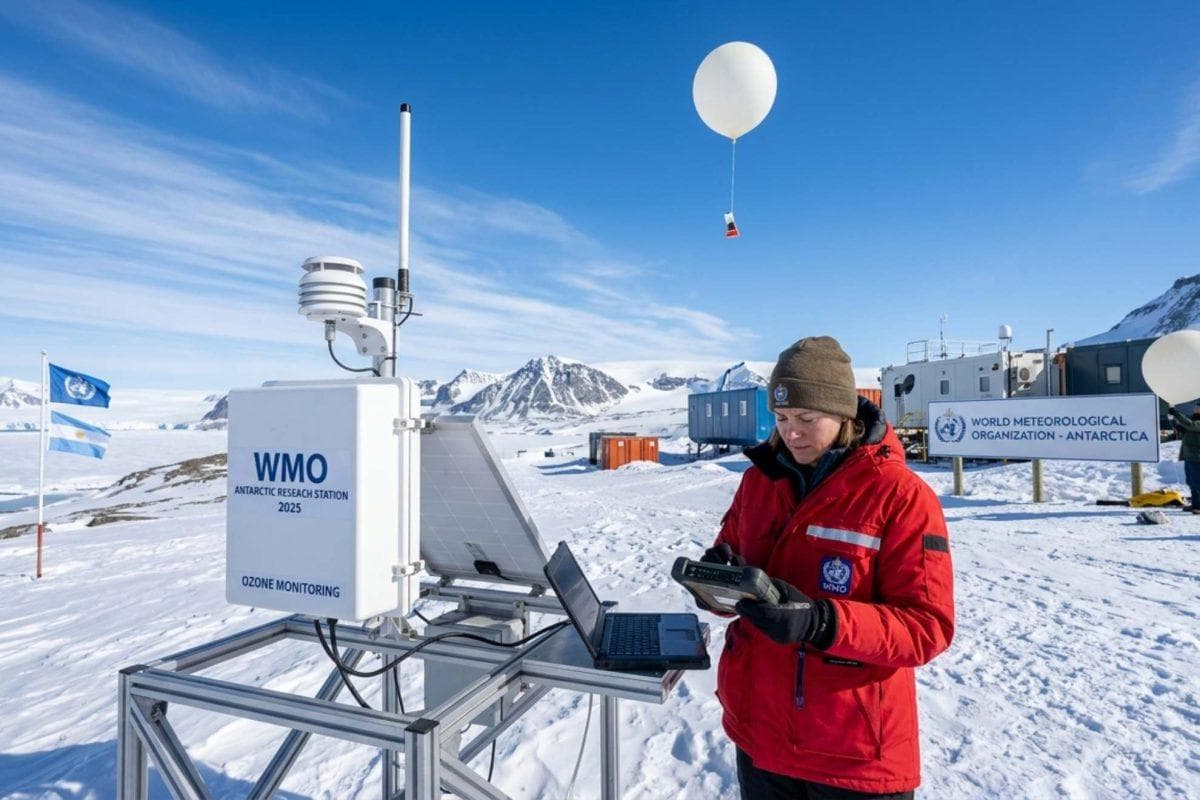
The World Meteorological Organization reported that the 2025 Antarctic ozone hole ranked among the smallest since 1992.
-
Consecutive reductions confirm the ongoing success of the Montreal Protocol in phasing out harmful ozone depleting chemicals.
-
Scientists emphasize that global atmospheric monitoring remains critical to prevent unexpected industrial chemical emissions.
The World Meteorological Organization released a landmark report confirming that the Antarctic ozone hole in 2025 contracted to one of its smallest physical extents observed in decades, offering tangible proof of international climate cooperation succeeding on a global scale. According to the organization’s latest official bulletin, the annual depletion area ranked as the fourth or fifth smallest recorded since comprehensive monitoring established severe depletion patterns in 1992. This landmark development marks the second consecutive year in which both the depth and geographical coverage of the ozone hole stayed well below the historical averages established between 1990 and 2010.
Ver esta publicación en Instagram
Decisive impact of global environmental policy
This steady ecological recovery underscores the long term effectiveness of the 1987 Montreal Protocol, an international treaty designed to phase out production of ozone depleting substances such as chlorofluorocarbons historically used in commercial refrigeration, firefighting foams, and industrial applications. WMO Secretary General Celeste Saulo declared the trend an environmental success story, emphasizing that the upper atmospheric shield has been recovering since the turn of the century and predicting a complete restoration across coming decades if global compliance remains strict.
Ultraviolet radiation trends and public health monitoring
While atmospheric recovery proceeds within expected scientific projections, ground level observations indicate a nuanced picture regarding solar exposure. Measurements gathered across northern hemisphere regions reveal that ground level ultraviolet radiation has increased by up to twenty percent in parts of Europe since the mid 1990s. Atmospheric researchers attribute this rise primarily to reduced cloud cover and increased annual sunlight duration, highlighting the critical necessity for effective public health measures to protect populations against skin damage and related health risks.
Ver esta publicación en Instagram
Future atmospheric surveillance and greenhouse gas reduction
Published to commemorate World Ozone Day, the report highlights the growing importance of the Kigali Amendment, which expands regulatory oversight to reduce hydrofluorocarbons. Although these modern replacement chemicals do not directly erode the stratospheric ozone layer, they function as extremely powerful greenhouse gases capable of trapping heat at rates thousands of times higher than carbon dioxide. Maintaining active ground monitoring networks remains vital to track industrial emissions and ensure the continued protection of the planet’s thin atmospheric shield.
Sustaining observation networks for global security
Despite undeniable progress achieved over forty years of international regulation, scientists warn against complacency as global observation stations face operational declines. Maintaining high precision spectrophotometer networks across remote polar and tropical regions is essential to identifying illegal chemical releases before they compromise decades of atmospheric healing. Continued scientific vigilance ensures that future generations inherit a fully restored ozone layer capable of shielding all terrestrial life from dangerous cosmic radiation.
