

WATCH NOW
Watch on the app











Los Angeles 2025 wildfires exposed what was missing when thousands needed answers
-
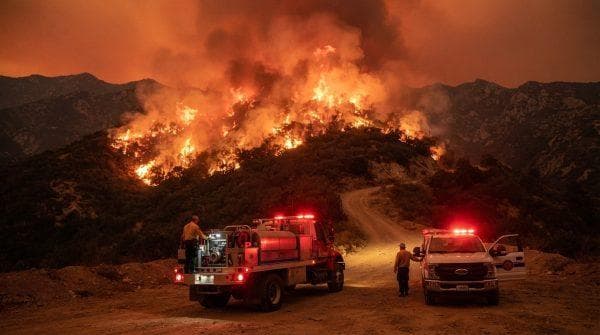
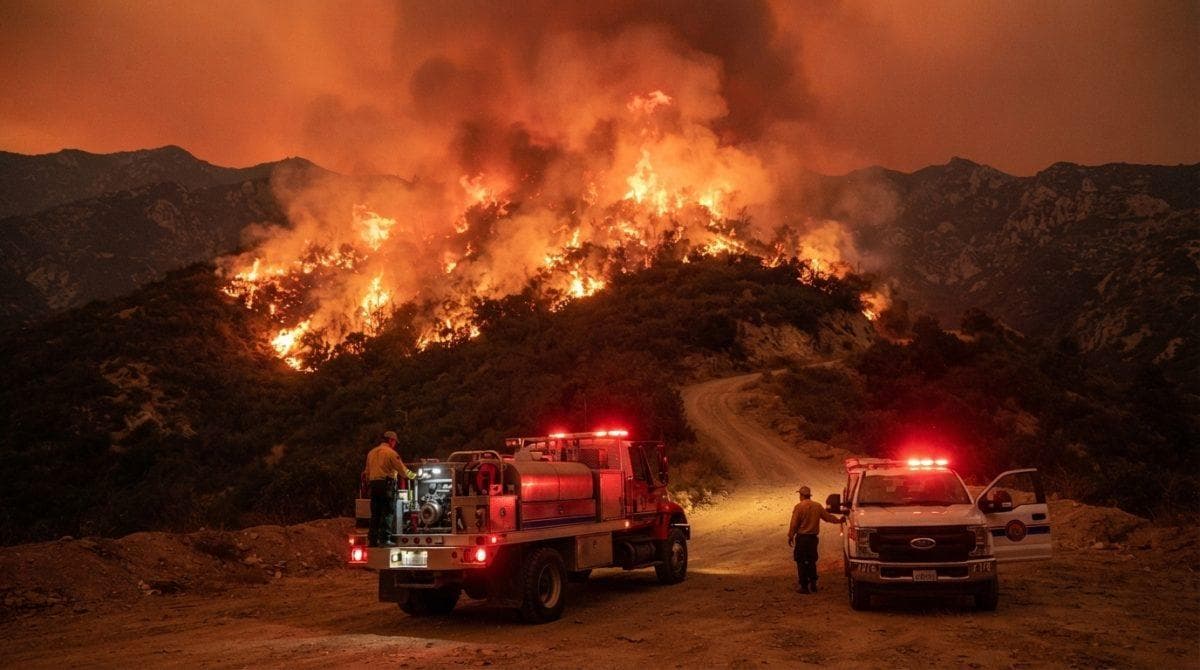
LA blaze recovery efforts exposed a catastrophic lack of a coordinated recovery plan when the unprecedented Eaton and Palisades blazes struck Southern California in January 2025, forcing thousands of residents to navigate a chaotic aftermath.
-
LA blaze recovery efforts faced severe administrative hurdles because the county relied entirely on institutional knowledge, improvisation, and personal relationships instead of formal operational frameworks.
-
Official findings published by the McChrystal Group emphasize the urgent need for structural accountability, transparent communication channels and enforceable timelines to protect vulnerable populations.
Los Angeles wildfires exposed systemic vulnerabilities across Southern California when catastrophic blazes swept through residential districts, leaving nearly 1,500 surveyed survivors confused about return orders, street closures, and emergency updates; furthermore, federal agencies including the Federal Emergency Management Agency deployed specialized assessment teams to evaluate environmental hazards and structural losses after the disaster destroyed over 17,000 structures across Altadena, Pacific Palisades, and Malibu.
Additionally, state health officials coordinated immediate medical support while local communities struggled with delayed evacuation alerts, an issue that prompted an ongoing civil rights investigation by the California Attorney General’s Office into the response discrepancies affecting the historic African American community of West Altadena; consequently, official evaluations and ongoing LA blaze recovery milestones are thoroughly documented through the Federal Emergency Management Agency Portal. Readers seeking a deeper legal and civil overview can also consult the official registry provided by the California Department of Justice.
Subsequent investigations conducted by public policy researchers
Subsequent investigations conducted by public policy researchers and municipal auditors highlighted that critical recommendations formulated after the 2018 Woolsey fire, which destroyed over 1,100 homes, remained unapplied when the 2025 catastrophe struck; likewise, the $1.9M review commissioned from the McChrystal Group by the Board of Supervisors revealed that vital digital donation platforms took weeks to activate. Moreover, public safety administrators emphasize the importance of robust early warning systems, whereas regional leaders coordinate long term infrastructural reforms within a strict strategic framework, whose comprehensive municipal data and oversight reports can also be reviewed through the U.S. Environmental Protection Agency.
Los Angeles wildfires exposed missing answers
-
Communication breakdowns: Survey data revealed that over half of the displaced survivors felt dissatisfied with pre return notices, and residents in the Eaton fire zone faced significantly higher odds of remaining uninformed about vital street closures during the ongoing LA blaze recovery process.
-
Shelter staffing shortages: Temporary evacuation facilities struggled with severe deficiencies in trained personnel, medical equipment, mobility resources, and personal care supplies required during large scale displacements.
-
Delayed donation systems: The absence of a pre-established digital platform resulted in multi-week delays for public donation routing, severely missing the peak window of civic engagement.
-
Debris removal obstacles: Despite executing the fastest debris clearance operation in county history, teams operated entirely without pre-negotiated landfill contracts, pre established legal tools, or formal waste management protocols.
-
Accountability deficits: Community advocates heavily criticized the lack of strict implementation deadlines and dedicated funding mechanisms within the recent county recovery directives.
LA blaze recovery oversight and institutional reforms
Following the immediate containment of the emergency, state legislators initiated rigorous audits to examine institutional shortcomings and establish strict benchmarks for future crisis management; moreover, county supervisors approved a mandatory motion requiring agencies to implement recommendations immediately and submit monthly progress reports detailing staffing and financial viability. Furthermore, community advocates like Shawna Dawson Beer noted that the evaluation correctly identified a multi layered cascade of failures rather than just a single chaotic night, while simultaneously warning that vague timelines and missing funding structures prevent genuine accountability.
Independent investigative panels underscore that administrative transparency remains paramount for restoring public trust, while regional coalitions advocate for statutory changes to mandate regular community safety drills; additionally, municipal contractors accelerate debris removal operations across impacted zones without prior landfill agreements, whereas supervisors like Kathryn Barger demand strict departmental responsibility and transparent oversight mechanisms to protect vulnerable residents from future crises.
“We can’t wait for the next disaster to figure out how we will house and support our most vulnerable residents or how county departments will coordinate critical recovery decisions.”
Strategic frameworks for long-term community resilience
Comprehensive recovery policies require synchronized cooperation between municipal departments, emergency service providers and local neighborhood associations to prevent recurring infrastructural failures; moreover, regional planners prioritize structural hardening of vulnerable utility grids, whereas environmental specialists restore native vegetation to mitigate future erosion risks.
State authorities mandate comprehensive reviews of local evacuation routes to eliminate historical bottlenecks, whereas technological investments enhance real time satellite tracking of high-risk wildfire corridors; future urban survival relies on unwavering institutional vigilance to shield every neighborhood from looming environmental threats long after Los Angeles wildfires fade from headlines. Comprehensive climate adaptation metrics and disaster response research are further accessible via the Natural Resources Defense Council.
