

WATCH NOW
Watch on the app















Toasting in Latin America and Spain: four curiosities you didn’t know
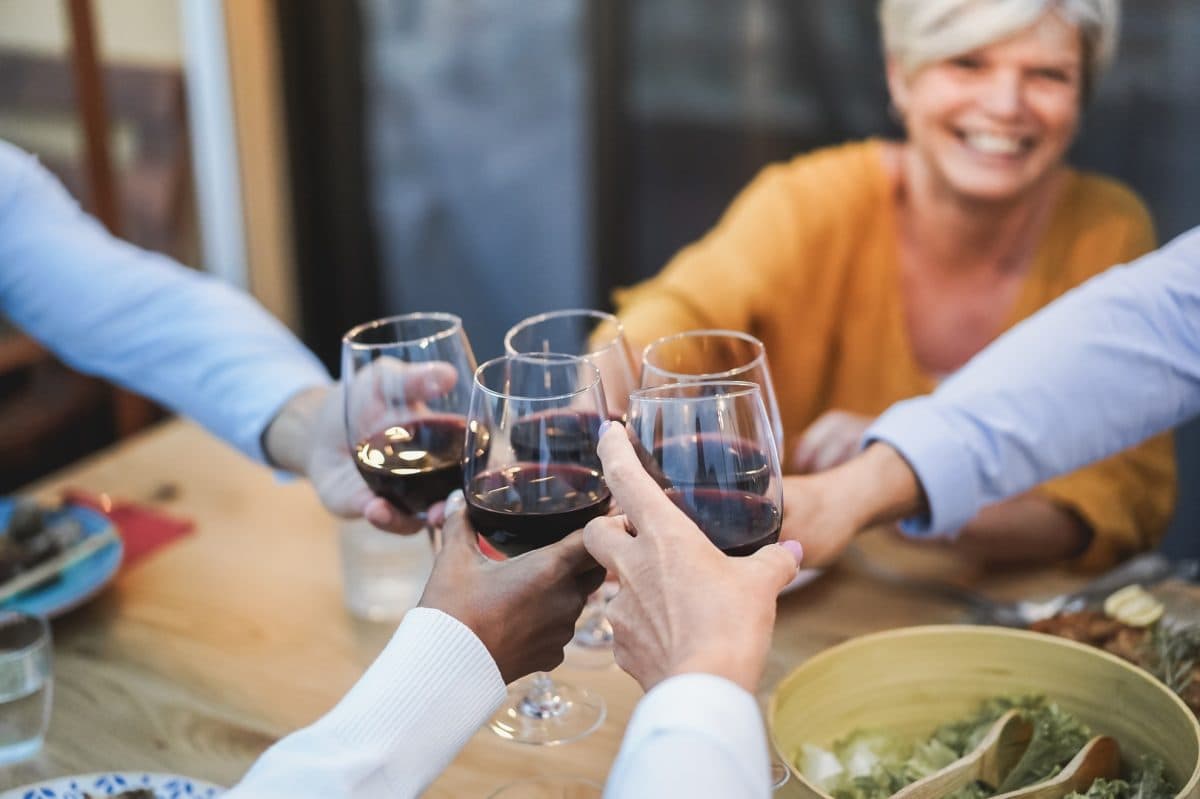
The toast is a ritual present in celebrations throughout Latin America and Spain, used by families and friends to mark birthdays, weddings, New Year and personal achievements. The beverage varies depending on the country and occasion, including wine, cider, local cocktails, or even beer. Toasting symbolizes unity, trust and celebration, with historical roots dating back to the 16th century, however, there are some curiosities about this ritual that you probably didn’t know.
We toast with alcohol and local flavors
In Latin America, toasts are usually made with alcoholic beverages, and the main drinks vary from wine and cider to champagne or beer, depending on each country’s traditions.
-
Mexico: Christmas punch combines jocote, guava, tamarind and a touch of rum or tequila.
-
Chile: Cola de mono mixes aguardiente, milk, coffee and spices.
-
Puerto Rico: Coquito includes rum, coconut cream and condensed milk.
-
Uruguay: “Medio y medio” combines sweet sparkling wine with dry white wine.
-
Venezuela: Ponche crema prepared with milk, rum and flan makes a perfect festive combination.
Toasting, a gesture of exceptional occasions
Even though we drink daily, we do not toast every day because the ritual marks special moments and exceptions.
The ancient Greeks held symposia, celebratory banquets with pure wine, reserved for important occasions. In Peru, pisco holds a ceremonial place, while in Brazil wine and cachaça accompany celebrations. In Venezuela, rum takes center stage during festive toasts, and in Uruguay whisky holds a privileged role.
Some countries maintain superstitions related to toasting, for instance, in Argentina, toasting with non-alcoholic drinks or an empty glass is considered bad luck.
Why we toast
In Spain and Latin America, people toast for universal reasons such as birthdays, weddings, graduations, Christmas, New Year, friendship, and even overcoming challenges.
According to wine expert Joaquín Hidalgo, “much of the post-pandemic toasting seeks to celebrate that we are well.”
Raising the glass connects participants and reinforces trust and unity among family, friends, or colleagues, making the act meaningful beyond the drink itself.
Up, down, center and inside: rituals and superstitions
The most common gesture when toasting is raising a glass and saying “¡Salud!”. Clinking glasses has uncertain origins, but some theories suggest it came from ancient practices to prevent poisoning, as the clinking was thought to neutralize potential risks.
-
Andean cultures: toast to Pachamama by spilling a little alcohol on the ground.
-
Spain: people follow the phrase “Up, down, center, and inside!”
-
Mexico: the “Bohemian toast” recalls the hardships and joys of the past year before the twelve chimes of midnight.
A curious detail of the ritual is saying “chinchín,” which comes from the Chinese “ching-ching” meaning “please.” However, in Japanese, it has a vulgar meaning, so context matters when using it.
The toast, a tradition that unites generations
The toast is more than a ritual; it has become a cultural and social act connecting generations.
Looking into each other’s eyes while toasting symbolizes trust and respect, transforming any gathering into a memorable moment.
Raising the glass remains a universal act of joy and unity, with roots that span centuries from Mexico to Spain, Chile, Puerto Rico and Uruguay.
