

WATCH NOW
Watch on the app








The Many Ways We Remember the People We Love on Día de los Muertos
Presented by Total Wireless
There is no single way to remember someone we love. A familiar song, a recipe made exactly the way they liked it, a story that comes out every time the family gets together, or an annual visit to a cemetery can all keep someone’s presence woven into everyday life.
During Día de los Muertos, those personal memories become part of something larger. Customs vary across countries, communities and generations, but the idea behind them is familiar: remembering the people who came before us and making sure their stories continue.

1. Some families go to the cemetery, and stay awhile
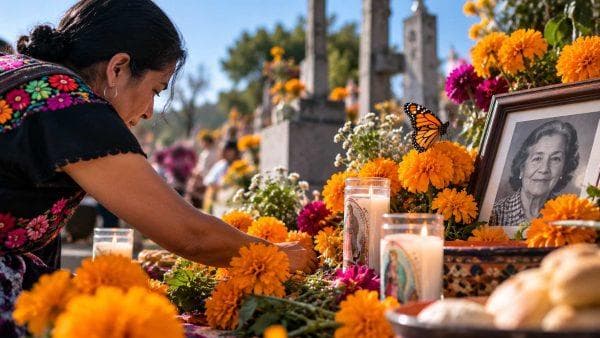
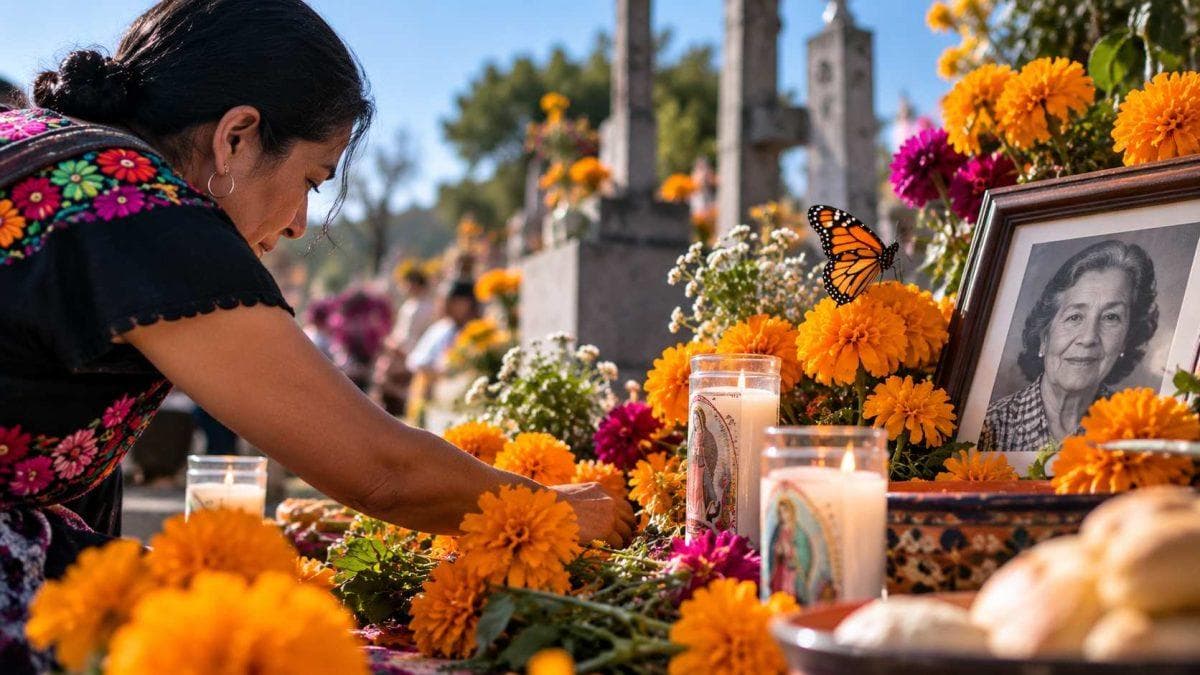
For many families, visiting a grave during Día de los Muertos is much more than stopping by with flowers. Graves may be cleaned and decorated with candles, cempasúchil and offerings, while relatives gather nearby to remember the person whose life they are honoring.
Depending on the family and community, that time together can include food, conversation, prayer or music. The cemetery becomes not simply a place associated with loss, but a place for reunion and remembrance.
2. A favorite meal can bring someone right back to the table
Memory has a taste. Maybe it’s abuela’s mole, a particular kind of tamal, a morning coffee prepared a certain way or even a snack someone always kept around.
Preparing the favorite foods and drinks of loved ones is a longstanding part of Día de los Muertos, whether those foods are placed on an ofrenda or shared by the family. Sometimes recreating a recipe preserves more than flavor: it keeps alive the person who taught everyone how to make it.

3. Sometimes it’s a song that keeps someone close
Music can carry memories across decades. A song associated with a parent, grandparent or sibling can instantly bring back a voice, a celebration or a moment the family thought it had forgotten.
That’s why music can become part of remembrance, whether it’s played during a gathering, heard at a cemetery or simply enjoyed at home. A song can even introduce younger generations to someone they never had the chance to meet.
4. Families have their own signs that someone is near
Not every tradition fits neatly on an altar. Some families associate particular animals, scents, dreams, songs or unexpected coincidences with loved ones who have died.
One well-known example comes from central Mexico, where the arrival of monarch butterflies around Día de los Muertos has been connected in some Indigenous traditions with the returning souls of ancestors. Other families develop signs entirely their own: a particular bird, a familiar fragrance or a song appearing at just the right moment. Whether understood spiritually, symbolically or simply as a powerful memory, these moments can become deeply personal ways of feeling connected.
5. Stories keep people alive across generations
Every family seems to have stories everyone knows by heart. The impossible thing abuelo once did. The vacation disaster. The joke everyone has heard a hundred times but still wants to hear again.
During Día de los Muertos, gathering and telling those stories can be as meaningful as any physical offering. Each retelling gives younger relatives a chance to discover the personalities, struggles, humor and experiences of people they may barely remember, or never met at all.
Día de los Muertos reminds us that remembrance can take many forms. It can happen at a cemetery, around a dinner table, through a song, in an unexpected sign or in a family story that somehow gets better every time it is told.
Traditions may change as families move and generations grow, but the connection behind them remains. Keeping someone’s memory alive often begins with something simple: staying connected to the people who remember them with you.
Total Wireless helps families stay connected to the people who keep those traditions going. Learn more at Total Wireless: https://www.totalwireless.com/m/es/home
