

WATCH NOW
Watch on the app









Colombian woman spent nearly two months in ICE detention but turned one frustration into hope for others
-
Detained immigrant changes lives through books, turning her challenging months inside an ICE facility into a lifeline of hope and literacy for vulnerable individuals across California.
-
Tatyana Arévalo launched “Letras que abrazan” after realizing that detention center libraries completely lacked Spanish reading materials.
-
Community donations of books and letters provide vital mental distraction and emotional support for vulnerable individuals facing immigration custody.
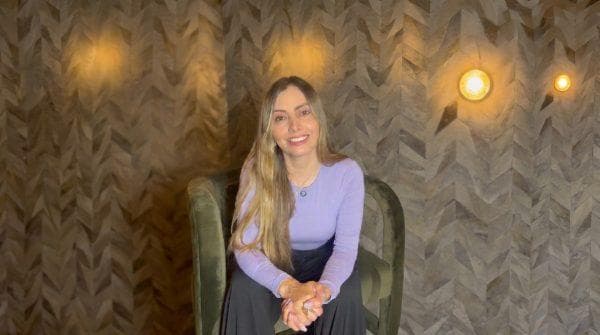
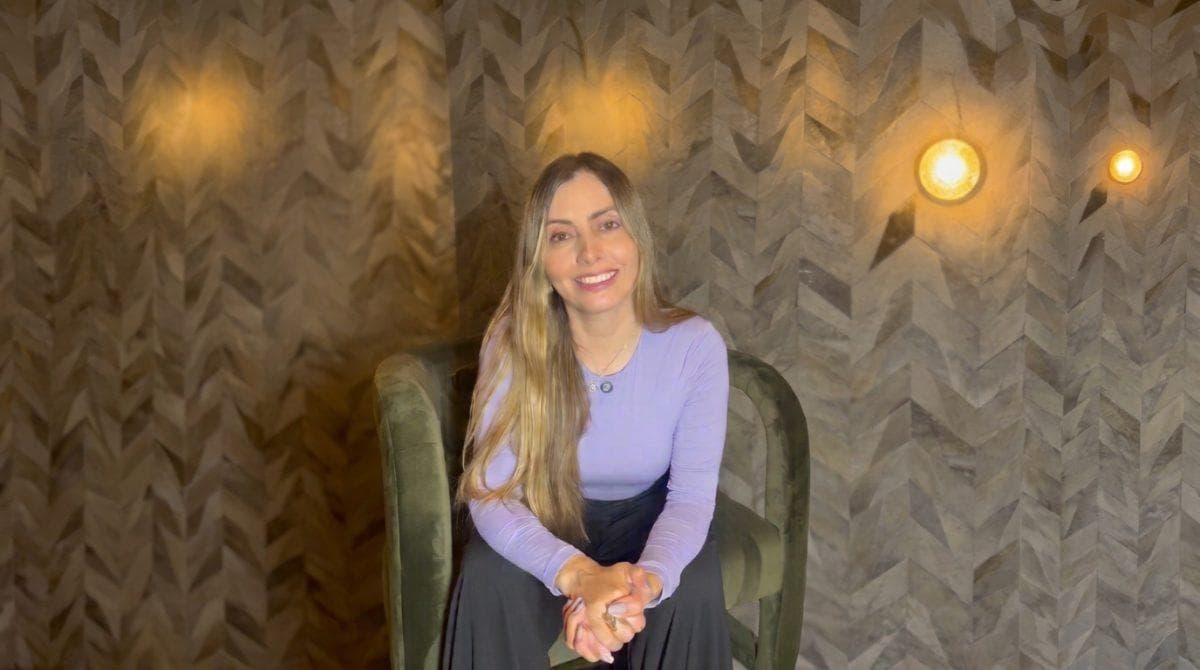
When Colombian woman and digital content creator Tatyana Arévalo, widely known on Instagram as @tatyarevalo, where she shares insights on Latino entrepreneurship and the migrant community, found herself unexpectedly detained by federal authorities after missing an automated notification on her mobile app, she experienced firsthand the deep isolation of institutional confinement while spending nearly 2 months behind bars during the holiday season. Prior to entering federal custody, she built a successful career as an industrial engineer, working for 7 years in the construction sector before deciding in 2018 to emigrate to New Zealand to learn English and improve her quality of life; this educational project eventually expanded into a thriving Instagram community of 321k followers.
Following stays in Spain and Malta, she entered the United States through Hawaii in 2023, spending 1 month organizing her asylum petition while observing that applicants had to secure private counsel in a region with few latino lawyers, before relocating to San Jose and San Francisco. Once established in the Bay Area, she utilized her growing social media presence to interview foreign workers, spotlighting individuals holding K1, O, H, F, J, and K visas to share authentic immigration journeys.
Navigating monitoring app glitches and ankle monitor requirements
However, after switching cell phones, she stopped receiving automated check-in alerts from the BI SmartLink monitoring app and missed her weekly photo upload, an oversight that prompted federal agents to fit an electronic ankle monitor on her right leg during her next routine check. Explaining the physical discomfort while offering practical advice to her audience, Arévalo recalled:
“Yo me puse la tobillera en el pie derecho y me dolía mucho, porque yo manejaba el carro y usaba ese pie para frenar. Debido a esto, le comuniqué a mis seguidores que, si se lo van a poner, pónganselo en el pie izquierdo porque el pie derecho es más dominante.”
Transforming detention hardship into a powerful literacy mission for California migrants
Navigating the severe conditions of immigration confinement often creates overwhelming stress for detainees, but discovering a complete absence of Spanish literature on the facility reading cart inspired every detained immigrant to dream of better resources and motivated Arévalo to take concrete action.
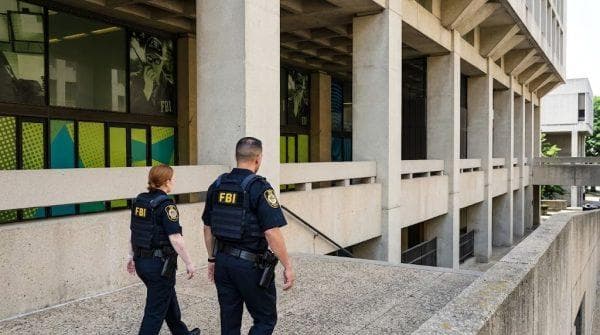
Consequently, in December 2023, while attending a routine immigration appointment outside of which activists were actively protesting against ongoing arrests, officers immediately took her into custody, securing her waist, hands and feet before transferring her through freezing transport vehicles known as hieleras to a California facility run by U.S. Immigration and Customs Enforcement. Inside the detention complex, she endured almost 2 months in 2-meter cells, sharing tight quarters for over 12 hours a day through Christmas and New Year while facing freezing temperatures, poor food quality and persistent emotional strain. Describing the shocking moment of her unexpected arrest despite adhering to her routine checks, the Colombian engineer shared:
“Ese día había una protesta afuera del lugar y los manifestantes advertían a las personas que no entraran porque los agentes estaban realizando arrestos. En ese momento, pensé: ‘No creo que me pase, he cumplido con todo’. Pero entré y ahí mismo me amarraron el estómago, las manos, los pies.”
Although she spoke English fluently, she recognized that vulnerable individuals facing extreme anxiety need comfort in their native language, a reality that prompted her to repeatedly petition guards, visiting administrators and visiting senators to allow Spanish reading materials inside the facility. Reflecting on the emotional vulnerability she felt inside her cell, Arévalo expressed:
“Al ver que no había escritos en español, me puse muy triste porque dije: ‘Quería leer algo y pasar mi día entretenido’. Aunque sé hablar inglés, cuando uno está en esa situación tan vulnerable y con el ánimo tan bajo, lo que menos se quiere es esforzar la mente para pensar en un idioma que no es el suyo.”
Detained immigrant overcomes administrative barriers for paperback books
Because federal detention facilities enforce strict regulations prohibiting direct private donations, the Colombian woman coordinated over the phone with a close friend and authorized partner organizations to establish an official donation bridge. As a detained immigrant needing spiritual support, she ensured the inaugural delivery included a box packed with Spanish Bibles, softcover books, coloring sheets and plastic rosaries to support those in custody.
Furthermore, these materials were complemented by anonymous encouragement notes written by her friends, a gesture that prompted facility officials to send an official email stating that detainees deeply cherished the letters and requesting additional shipments. Highlighting the specific types of literature that best help detainees escape their immediate harsh reality, Arévalo noted:
“Las novelas te dirigen a una historia y a soñar. Lo mejor para donar son lecturas como El alquimista de Paulo Coelho o uno de Gabriel García Márquez. Ese tipo de libros no están en este tipo de centros.”
Ver esta publicación en Instagram
Empowering a detained immigrant through books
Following her release almost 2 months after her initial arrest, the Colombian woman launched the official “Letras que abrazan” campaign across her digital platforms, establishing a rigorous logistical operation managed by her family and volunteers. Under this system, all donated paperback novels, puzzle books and letters undergo meticulous manual inspections to ensure they contain no codes, phone numbers, or prohibited text, ensuring full compliance with facility security protocols prior to distribution. Emphasizing the uplifting spiritual and psychological impact these simple items have on individuals in custody, Arévalo explained:
“Una carta da mucha esperanza y que tengan biblias o libros en español; los libros ayudan a distraer la mente, a que el tiempo se pase más rápido y a que recuerden que van a salir de ahí.”
Expanding the impact of “Letras que abrazan” across immigration facilities
More than 7 months after regaining her freedom, the former detained immigrant continues to send regular donations to the California facility where officers held her, actively calling on community groups to replicate this volunteer model in neglected migrant centers nationwide. Making a direct plea for society to remember those held behind immigration doors, Arévalo concluded:
“Con esto llevamos esperanza. Sé que los centros de detención abren sus puertas para ciertos voluntarios, pero los centros de inmigrantes suelen quedar en el olvido. Los extranjeros no tenemos acceso a estos recursos.”
Ver esta publicación en Instagram
Consequently, as the inspiring founder works to extend “Letras que abrazan” beyond California through advocate networks like the National Immigrant Justice Center, public admiration grows for how one resilient Colombian woman transformed personal confinement into an enduring movement of dignity.
