

WATCH NOW
Watch on the app











Texas city’s land could sink nearly two feet after massive water pumping approval
-
Water pumping approval threatens Texas soil after officials authorized massive groundwater draws along the Gulf Coast.
-
Corpus Christi approved permits to pump up to 40M gallons a day from 20 wells along the Nueces River.
-
Technical studies and state agencies warn of land subsidence, aquifer drops, and drought emergencies by September 2029.
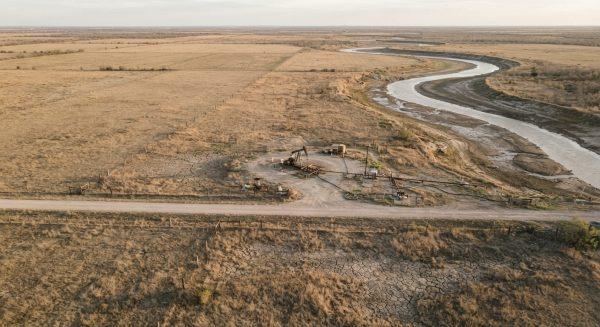
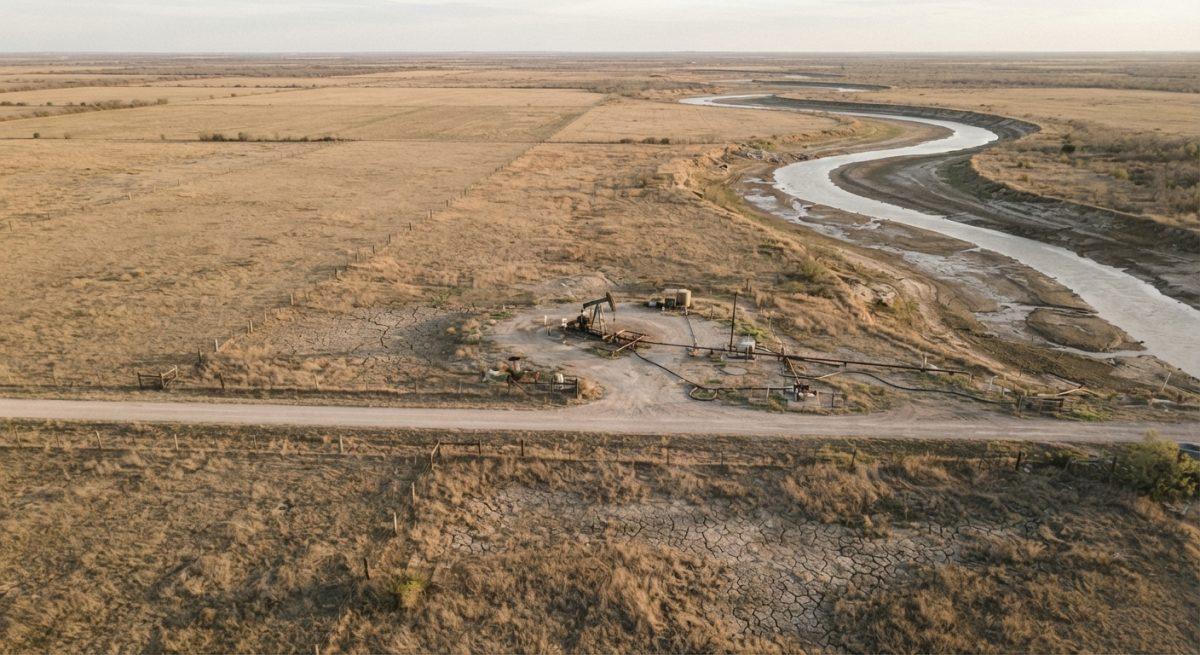
A severe drought pushed Corpus Christi, a coastal city in Texas, with more than 300K residents, to approve permits to extract up to 40M gallons a day (151M liters) from 20 wells drilled along the Nueces River between late 2024 and summer 2026 when demand neared supply, sparking warnings that Texas land could sink nearly two feet after the massive water pumping approval over an aquifer serving dozens of Gulf Coast communities and Louisiana, even though actual daily pumping stays below one third of that authorized cap.
Furthermore, the Corpus Christi Aquifer Storage and Recovery Conservation District runs with board members appointed by the city council and staff made up entirely of municipal employees, while former Corpus Christi water operations director and current Houston water chief Drew Molly calls the approvals “lightning speed” and the authorized volume “absolutely unconscionable,” and Robert Mace, executive director of the Meadows Center for Water and the Environment at Texas State University, tells The Texas Tribune that officials act like “the fox guarding the henhouse,” countering a written statement from Ashley Marion, strategic business manager for the municipal water department, who states that “no conflict of interest exists.”
Why Texas land could sink under water pumping approval
A June 2026 report commissioned by Corpus Christi from private firm Intera projects that ground around western wells could sink up to 20 inches over 30 years from sediment compaction following water pumping approval, damage that can crack pipelines, foundations, roads and bridges.
On top of that, the same study estimates that aquifer levels could drop up to 100 feet near the wells within five years, hitting rural neighbors with shallower wells first while groundwater hydrologist Jarrod Reynolds warns that heavy pumping “can completely deplete an aquifer” unless managers regulate the resource carefully.
Rural impact, desalination and tensions inside the regulator
Rural residents tried to form a conservation district to cap pumping, yet Corpus Christi expanded CCASRCD boundaries to pull rural well fields under municipal oversight and block that effort, forcing residents like Scott Barraza, who lives on a 20 acre property about 20 miles from downtown with his family and animals, to spend $9K on a purification system and a water hauling trailer after explaining that living in the country means having no city hookup and relying on your well as your water source.
Even with those pressures mounting, the city council twice rejected advancing a seawater desalination plant since 2025 despite $757M in state approved loans and selected contractors for a facility that could supply roughly one third of daily demand, while debates over water pumping approval intensified as former Governor Greg Abbott criticized local leaders by saying they “failed once again to secure reliable water,” Drew Molly argued the city “basically put all its eggs in a terrible basket,” and board members John Michael and Jeff Edmonds moved to cap pumping at 6.5M gallons a day (24.6M liters), half the current average, ahead of the December 3 vote.
Key drivers of the water emergency and subsidence in Texas
-
Municipal control at CCASRCD places city council appointees and city staff inside the only municipal run groundwater district among nearly 100 in Texas operating under direct municipal oversight and appointments where Texas land could sink without tighter checks.
-
Intera’s June 2026 study warns that sediment compaction can trigger up to 20 inches of sinking over three decades alongside irreversible impacts outside the well zone tied to water pumping approval.
-
The Texas Water Development Board projects that Corpus Christi could face another drought emergency by September 2029 after summer rains gave only temporary relief and warns that Texas as a whole lacks enough water to weather a historic drought.
Behind every pumping decision sits a clear reality: technical findings show that Texas land could sink nearly two feet if heavy extraction continues without strict limits.