

WATCH NOW
Watch on the app



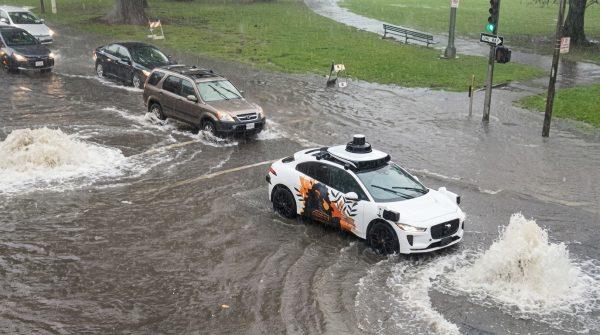
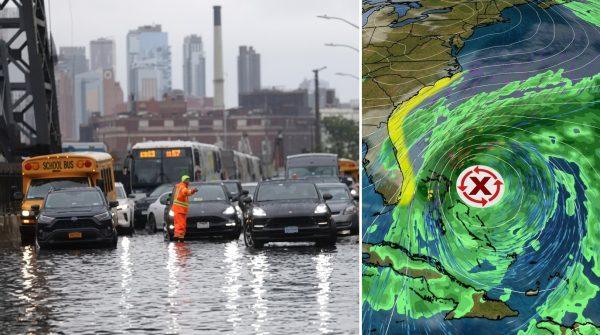


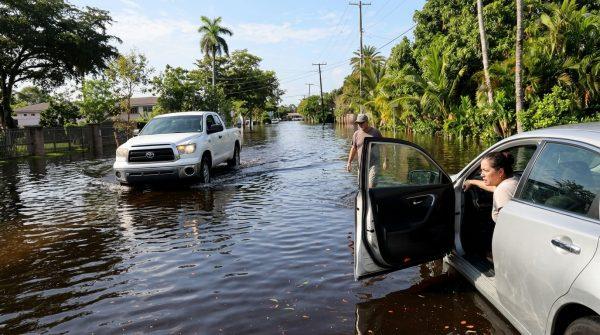







Late-season storm threatens the East Coast from Florida to New York as hurricane season nears its end
-
A late-season storm threatens heavy rain, gusty winds, dangerous surf and coastal flooding along the East Coast before Nov. 30.
-
The National Hurricane Center projects a 60% chance of tropical or subtropical development and holds the name Kyle in reserve.
-
Officials urge East Coast residents to follow official updates and local alerts as the system tracks through early next week.
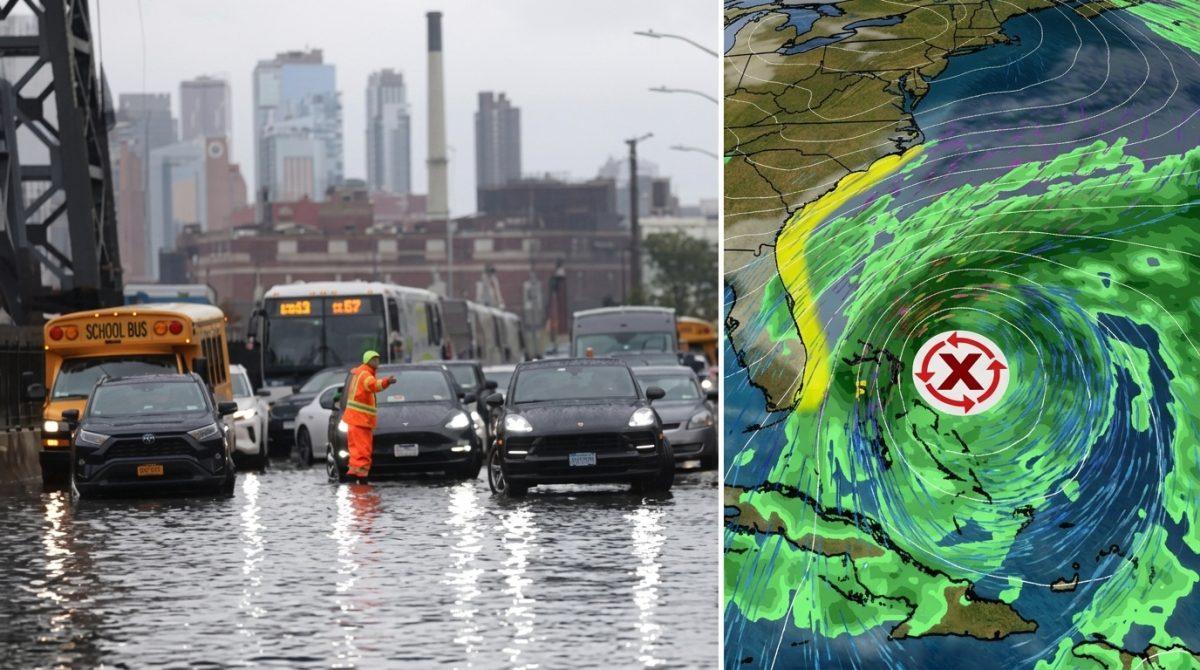
The corridor from Florida to New York could face a late season storm as hurricane season winds down toward its Nov. 30 close, since the National Hurricane Center reported Thursday a 60% chance of tropical or subtropical formation over the next 7 days while a developing system near Florida and the Bahamas threatens heavy rain, gusty winds, rough surf and coastal flooding from the Southeast through the mid Atlantic and Northeast over the weekend.
Furthermore, warm waters near 80 °F and energy from the Gulf Stream feed this low pressure system near the Bahamas starting Friday, while forecasters warn that coastal impacts can strike without a named storm; if the system strengthens enough before hurricane season winds down, it would earn the name Kyle and push north or northeast during the final stretch of November.
Storm formation and late-season storm fuel
Forecasters at the National Weather Service project a non tropical low pressure area to organize Friday along a front east of the Florida peninsula or near the northwestern Bahamas, where disorganized showers and thunderstorms already soaked parts of Florida and the islands; meanwhile, heavy downpours and flash flooding could linger across sections of the peninsula through Friday before a late-season storm reaches coastal Carolinas and the mid-Atlantic over the weekend.
By contrast, 80 °F ocean water and favorable upper level winds could help the system take on tropical or subtropical traits, a hybrid setup that blends tropical cyclone features with mid latitude weather patterns and spreads wide bands of wind and rain; although November cyclones occur far less often than peak storms between August and October, Hurricane Nicole hitting as a Category 1 cyclone near Vero Beach, Florida on Nov. 10, 2022 proves late-season systems still pack serious punch.
Coastal hazards along Florida to New York
A closer track along the Carolinas coast Saturday and Sunday would expose North Carolina’s Outer Banks to rough seas, beach erosion, coastal flooding, and strong gusts, a high stakes scenario on barrier islands where 32 homes collapsed since 2020 due to coastal erosion and rising water according to The Washington Post; in turn, a nearshore path would raise the risk of wind driven rain and flooding across the Carolinas, Virginia, Maryland, Delaware, and New Jersey as the late-season storm tracks north.
Even so, the system could push rough weather toward Washington, D.C., Pennsylvania, New York and New England between Sunday and Monday if it tracks closer to land, whereas a path farther offshore would keep peak winds and seas over open water while still sending dangerous surf and rip currents toward beaches; shifting interactions among the developing low, a system moving out of the central U.S., and the Bermuda high, a high pressure area in the northwestern Atlantic, keep short term steering uncertain.
Forecast watchpoints and key figures
Meteorologists continue tracking how the disturbance organizes and how rain bands spread up the Eastern Seaboard, while officials urge East Coast residents to follow alerts and local updates:
-
Formation odds: 60% chance of tropical or subtropical development over the next 7 days according to the National Hurricane Center for this late-season storm.
-
Corridor exposure: Coastal route from Florida to New York facing heavy rain, gusty winds, rough surf, and coastal flooding risk.
-
Barrier island erosion: 32 homes lost to coastal erosion and advancing seas since 2020 along North Carolina’s Outer Banks per The Washington Post.
-
Season deadline: Nov. 30 marks the official end of Atlantic hurricane season, with Kyle next on the naming list if the system strengthens enough.
Along the eastern seaboard, shifting steering winds will determine whether the stretch from Florida to New York sees a weekend of soaking rain and moderate surf or faces a broader late November cyclone threat.