

WATCH NOW
Watch on the app














Will Florida flooding drive up homeowners insurance premiums?
-
South Florida homeowners and drivers check what insurance pays after heavy rain triggers flood alerts.
-
Nov. 18 and Nov. 19 alerts spark questions over policy exclusions, deductibles and water sources.
-
State and federal insurance agencies outline coverage rules for homes, vehicles, waiting periods and claims.
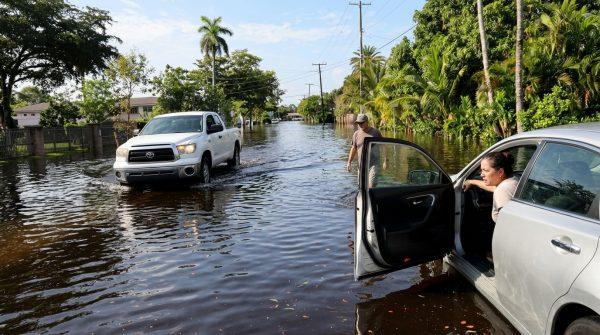
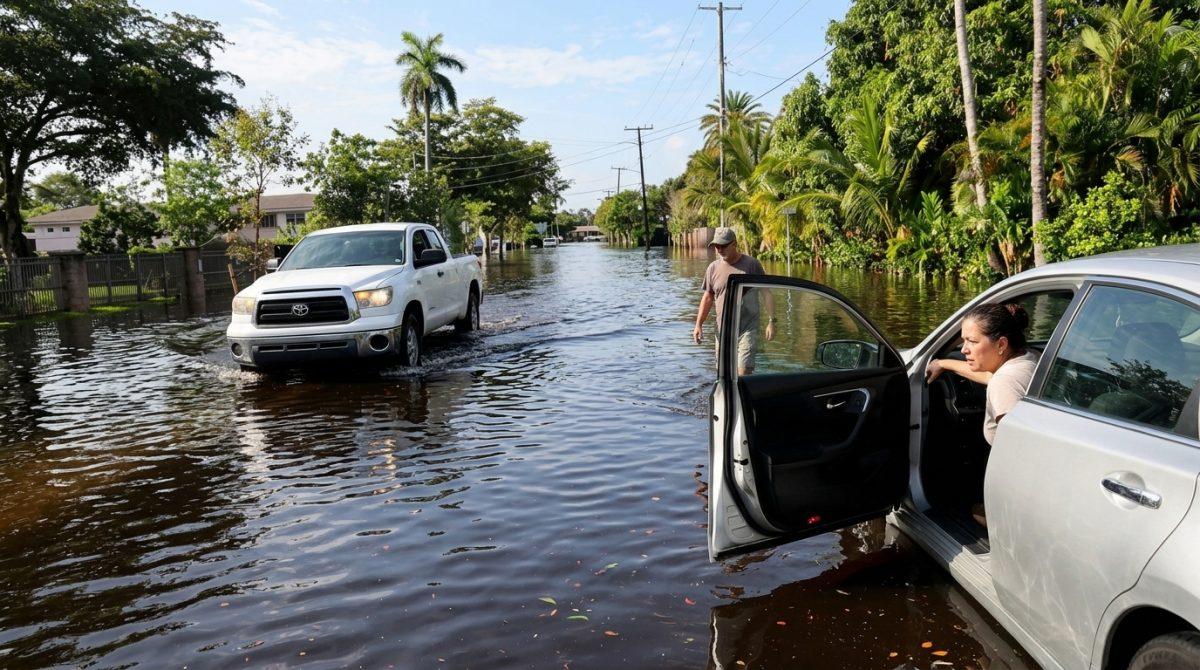
Florida flooding could leave your home or car damaged after heavy rain hit southeastern Florida and prompted the National Weather Service in Miami to issue alerts on Nov. 18 and Nov. 19, 2026 due to a low pressure system, a stationary front and abundant moisture, pushing homeowners and drivers to examine what insurance pays when water threatens property, while the Florida Department of Financial Services and the National Association of Insurance Commissioners warn that insurers base payouts on policy terms, exclusions and where the water entered.
Furthermore, standard homeowners policies typically exclude flooding and ground or surface water accumulation, whereas wind driven rain entering through roof or structural openings follows different contract terms and comprehensive auto coverage remains optional in many cases while covering flood damage without guaranteeing automatic reimbursement or replacing liability insurance, as heavy downpours affected urban and coastal neighborhoods across South Florida during the 2 days of alerts while residents sought clear answers on coverage rules.
Florida flooding and home or auto coverage
The Florida Department of Financial Services notes that standard homeowners policies leave out losses from overflowing waterways, ground buildup or outside water entry, requiring a separate flood policy through the National Flood Insurance Program administered by FEMA, private carriers, or an endorsement where policy terms allow and leaks tied to wear and tear face frequent exclusions, so policyholders should review their policy and consult the insurer before assuming damage has coverage, while buying coverage after heavy rain warnings begin fails to protect losses already underway and shapes what insurance pays.
On the auto side, the National Association of Insurance Commissioners explains that comprehensive coverage remains optional in many cases while covering floods alongside fire, theft and hail, and lenders can require it on financed or leased vehicles, in addition to drivers contacting their insurer first to learn inspection steps before starting a claim, avoiding starting a submerged car until a technician inspects the engine and keeping in mind that liability coverage only pays for harm done to others while policy limits, deductibles and contract terms shape final payouts.
Waiting periods, buying options and claim steps
New policies under the National Flood Insurance Program generally carry a 30 day waiting period before taking effect, though the Florida Department of Financial Services recognizes exceptions for certain mortgage loans, policy transfers or properties newly added to high risk federal map zones where coverage can start after 1 day when program rules are met, and FEMA warns that floods happen outside mapped high risk zones, so property owners should compare structure, personal property and added living or flood related expense coverage across federal policies, FloodSmart, a participating agent or insurer, and private carriers while checking maximum coverage limits and confirming exact start dates ahead of rainy season, all of which affects what insurance pays.
Meanwhile, when filing a claim, the Florida Department of Financial Services advises contacting the insurer or agent as soon as returning to the property is safe, separating damaged items from undamaged goods for adjuster inspection or photographing them and notifying the insurer if health hazards arise and documenting damage with photos and videos, building an inventory of damaged belongings, saving emergency repair receipts, requesting and keeping the claim number and keeping a log of calls and messages with the insurer, agent and adjuster, while federal flood policyholders generally must submit a Proof of Loss within 60 days after the event detailing the claimed amount with required program records, meeting deadlines and rules even when an adjuster helps prepare it while checking limits, deductibles and exclusions before accepting settlement payments or starting permanent repairs.
What insurance pays and key policy checks
The Florida Department of Financial Services, FEMA and the National Association of Insurance Commissioners highlight key steps policyholders should take regarding what insurance pays after severe rain:
-
Florida flooding risks exclude standard home policies and ground water buildup, requiring separate coverage, an eligible endorsement, consulting the insurer before assuming coverage and reviewing structure, belongings, maximum limits, and added expenses.
-
Comprehensive auto coverage remains optional in many cases, covers flood losses per policy terms, may apply under lender loan or lease rules and calls for contacting the insurer first and skipping ignition on a submerged vehicle before inspection.
-
What insurance pays on waiting periods usually runs 30 days on new federal policies unless exceptions or 1 day starts for newly mapped high risk properties apply, making checks through FloodSmart, a participating agent or insurer, or private carriers vital before rainy season.
-
Claim steps and Proof of Loss involve separating damaged items, listing affected belongings, requesting and keeping the claim number, logging communications, saving repair bills, and filing the Proof of Loss within 60 days with the claimed amount and supporting details.
Even so, this Florida flooding situation calls for checking every policy clause, confirming effective dates and taking steady steps so decisions on what insurance pays safeguard household finances.