

WATCH NOW
Watch on the app










Fort Worth is considering a 90-day pause on data centers as Texas struggles with the industry’s rapid growth
- Fort Worth, Texas, debates a 90-day moratorium to curb the rapid expansion of data centers following multiple neighborhood complaints over high water and energy consumption.
- Residents voiced serious concerns regarding constant noise and the excessive proximity of these large technological facilities to residential zones during a municipal public hearing.
- An expert commission presented 19 key recommendations to regulate the sector, including the mandatory use of closed-loop cooling systems to protect resources.
Strategic brake in Texas amid technological expansion
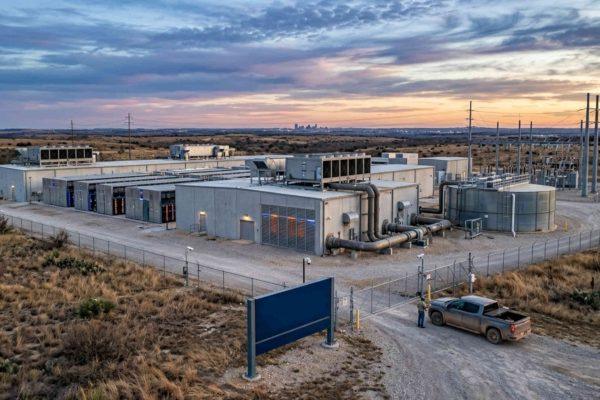
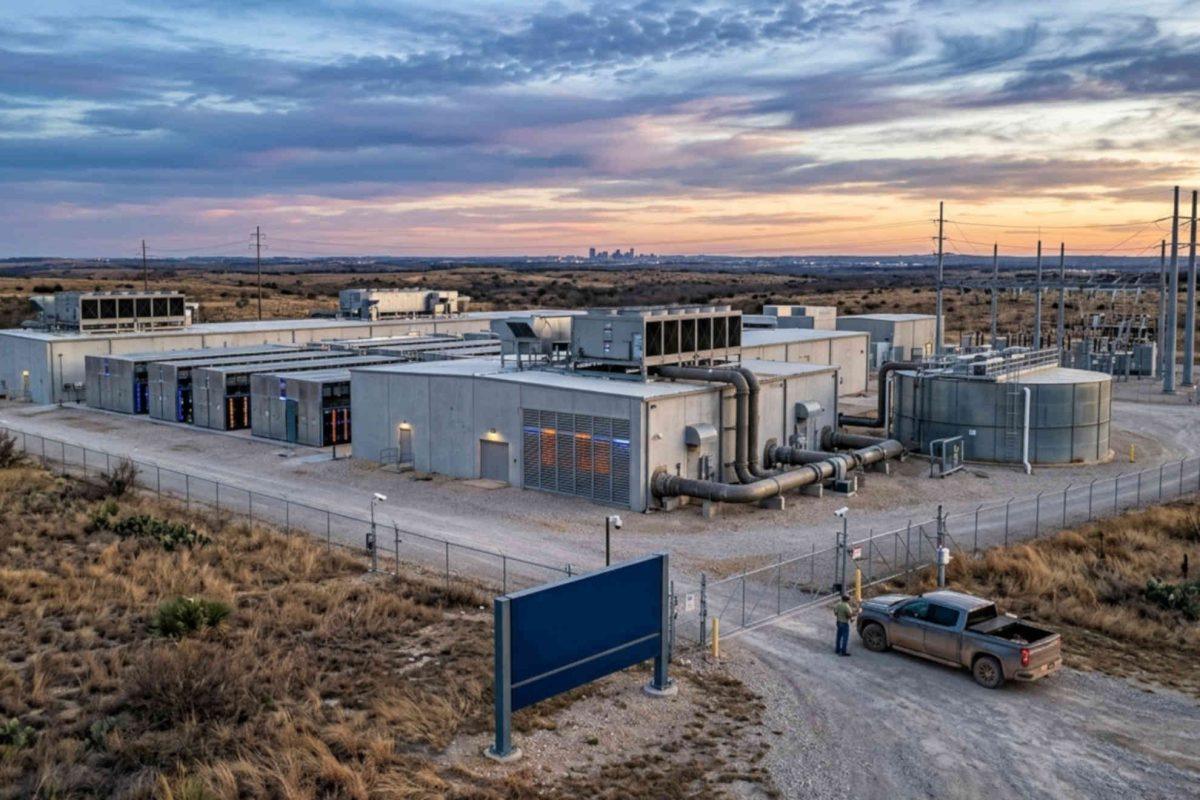
The city of Fort Worth, situated in the dynamic state of Texas, currently evaluates implementing a temporary ninety-day moratorium focused specifically on developing new data centers, a measure emerging as a direct response to growing concerns voiced by local residents. Along these lines, during a recently held municipal public hearing, dozens of inhabitants spoke up to question the speed at which these technological projects advance, warning about potential environmental consequences and negative impacts on their quality of life due to factors like constant noise and excessive proximity to their homes, thereby demanding regulation for their expansion.
Brian Patman, one of the debate participants, firmly warned that data center developments pass through the approval process far too hastily, pushing forward without available regulations allowing authorities to set clear boundaries and properly oversee operations. Thus, this proposed temporary suspension does not seek an outright ban, but rather grants crucial breathing room so the local Fort Worth government can define specific urban and environmental rules organizing this fast-growing sector prior to approving additional facilities.
Neighbors demand clear regulations and community protection
Furthermore, municipal authorities in Fort Worth, Texas, aim to regulate the water and energy consumption of technological facilities following neighborhood complaints highlighting the urgent need to establish strict controls over data centers. In this way, residents such as Ellis Maxwell shared their environmental and personal concerns, noting that planners already project a data center roughly one mile from his home, deeply worrying him regarding his future quality of life, noise, energy consumption, and more.
Ver esta publicación en Instagram
Equally, the public debate underscores existing tension between the technological boom in Texas and the necessity to safeguard water and electrical resources, alongside guaranteeing quiet residential environments for communities. Facing this complex scenario, citizens demand genuine commitment from municipal officials so that the potential moratorium and expansion regulation serve not merely as a momentary concession waiting for pressure to subside, but as the first step toward solid, sustainable regulation.
Expert recommendations to organize the technological future
On the other hand, to guide this regulatory process over data center expansion in Fort Worth, Texas, a specialized commission led by Michael Slattery, director of the Institute for Environmental Studies at Texas Christian University, drafted a detailed report containing nineteen key recommendations after analyzing nearly fifteen hundred citizen surveys. Among the most relevant suggestions stands the requirement for closed-loop, non-evaporative cooling systems for these centers, a measure strategically oriented toward drastically reducing potable water usage across these facilities. Likewise, the document outlines strict zoning rules designed to shield residential areas and establish noise limits accounting for surrounding conditions, including pilot studies on low-frequency sounds that frequently disrupt daily rest. If officials move forward, planners anticipate a second public hearing for January twelfth, followed by a crucial February vote by the Fort Worth City Council to decide on the ninety-day suspension and applicable new regulations.
