

WATCH NOW
Watch on the app










California’s disappearing beaches aren’t stopping millionaires from gambling with nature
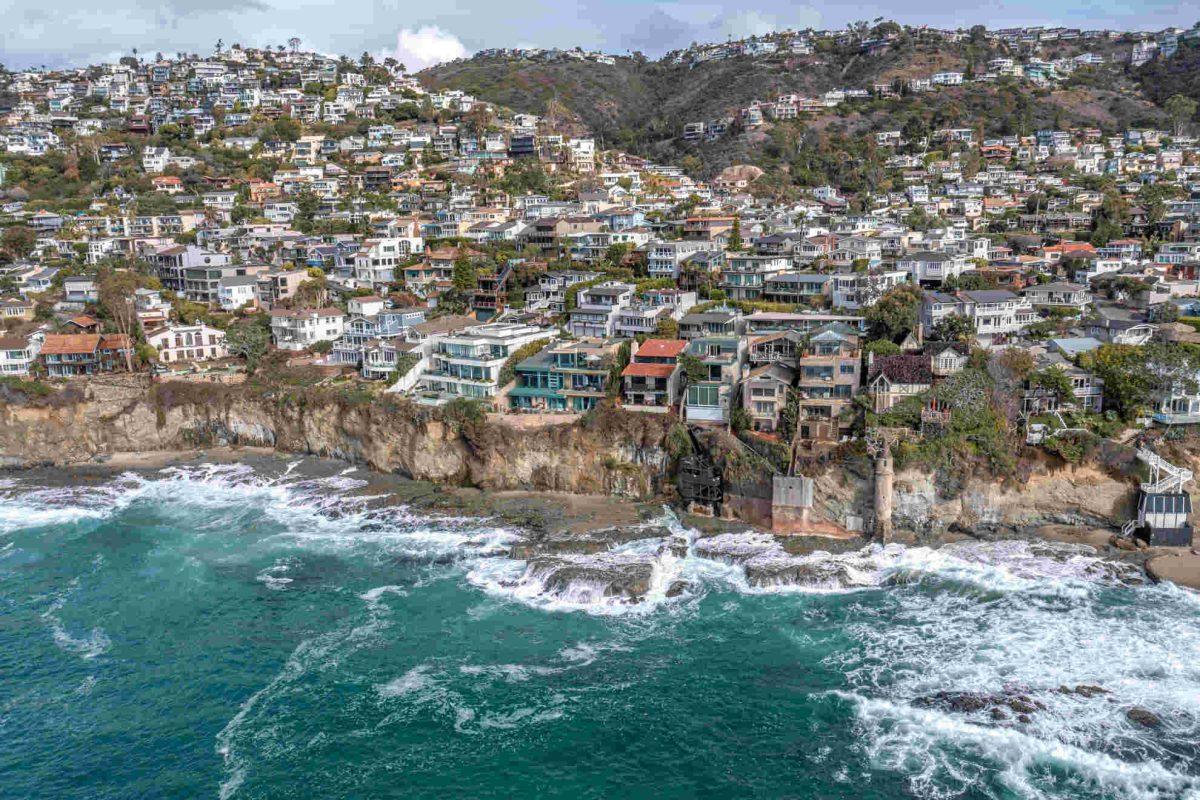
- California’s real estate market maintains record prices for oceanfront mansions even as beaches disappear due to coastal erosion.
- The imminent arrival of the El Niño phenomenon triggers a surge in flood insurance demand amid high risks of extreme swells.
- Experts warn that containing sand loss will cost five times more by 2050 while millionaires continue buying.
The millionaire paradox of California’s oceanfront real estate market
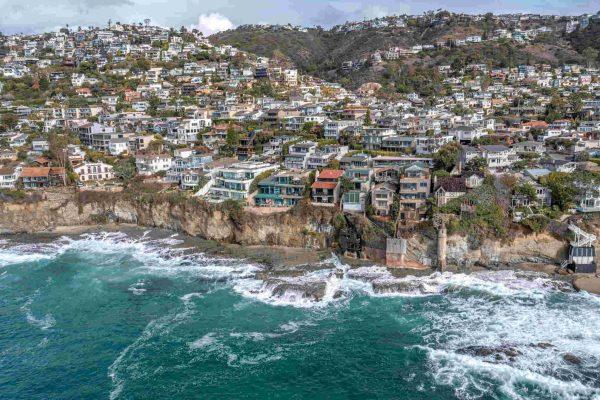
The California coastline currently stars in a surprising financial paradox where the value of oceanfront mansions reaches astronomical figures while beaches vanish beneath the unstoppable advance of coastal erosion; even though a Long Beach property suffered severe structural damage during September storms and dropped its price from nearly five million to two million nine hundred thousand dollars, diverse real estate developers compete fiercely to acquire it in a clear sign that the appetite for luxury refuses to yield before climate danger. In fact, exclusive Malibu enclaves list vacant lots for thirty-four million dollars and nearby residences reach eighty-eight million, defying all risk logic ahead of a winter bringing a powerful El Niño phenomenon.
The surge in flood insurance and the accelerated advance of coastal erosion
Similarly, while wealthy buyers ignore climate warnings to secure their privileged spots with oceanfront mansions near the ocean in California, insurance companies experience a historic avalanche of applications for flood policies, also known as flood insurance, amid fears of destructive swells. According to estimates from Aaron Farmer, president of California Flood Insurance, nearly eighty-five percent of coastal residents lack sufficient coverage because traditional federal policies barely cover two hundred fifty thousand dollars against mansions exceeding ten million. Adding to this critical panorama, scientist Essam Heggy from the University of Southern California warns that urban development and artificial landscaping block natural sediment movement, causing beach maintenance via dredging to cost five times more by twenty fifty due to coastal erosion, a situation that El Niño’s ravages could worsen.
Between staying on the coast and proposals to retreat from the ocean
On another note, facing this environmental threat capable of destroying billions of dollars in buildings across Southern California, reactions among beachside residents oscillate between tenant caution and veteran homeowner pragmatism. While young renters in Huntington Beach weigh moving inland to avoid losing their belongings following October floods, longtime Malibu residents accept storm impacts as an inevitable part of living alongside nature, comparing ocean risk with the state’s seismic certainty. However, researchers insist on the urgency of implementing seawalls capable of protecting these oceanfront mansions in specific vulnerable zones, just as others warn about managed inland retreat plans before sea-level rise, coastal erosion and the El Niño phenomenon trigger irreversible collapses mirroring those in other coastal cities worldwide.
CALIFORNIA VENDE MANSIONES FRENTE AL OCÉANO A PRECIOS RÉCORD AUNQUE SUS PLAYAS DESAPARECEN Y EL SEGURO DE INUNDACIÓN SE DISPARA | POR FAUSTO URRISTE
El invierno que se avecina, con un fuerte fenómeno de El Niño, pone a prueba la paradoja que define al litoral del estado, donde la erosión avanza pero el mercado inmobiliario costero no cede.
Una propiedad frente al océano en Long Beach que sufrió daños graves durante las tormentas de septiembre pasado bajó su precio de USD 4,95 millones a USD 2,9 millones, y aún así los desarrolladores compiten para comprarla, informó Los Angeles Times.
🔗 Leé la nota completa: https://t.co/KRStkDug3Z
— Infobae América (@infobaeamerica) November 12, 2026
