

WATCH NOW
Watch on the app










California’s 50 year wait for a massive new reservoir is finally coming to an end
-
California state authorities grant final water rights permits to advance construction of the landmark Sites Reservoir project.
-
The massive infrastructure undertaking will require an estimated investment between 6.2 and 6.8 billion dollars with federal backing.
-
The reservoir aims to capture excess river flows during wet periods to safeguard urban and agricultural supplies against future droughts.
The state of California is poised to break ground on its most significant water storage infrastructure project in over fifty years. Following the formal approval granted by the State Water Resources Control Board, the Sites Reservoir initiative in Colusa County has cleared its final major administrative hurdle, with heavy construction slated to commence in the summer of 2027 and reshape regional climate resilience strategies.
NEW: With the water rights approval for Sites Reservoir done, the critical water storage project has cleared all regulatory approvals needed to initiate construction!
Huge news for California water storage as the climate gets more extreme!
— Governor Newsom Press Office (@GovPressOffice) November 6, 2026
A monumental engineering endeavor for climate adaptation
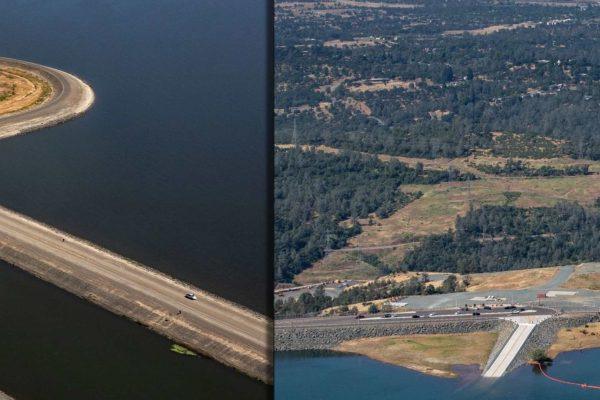
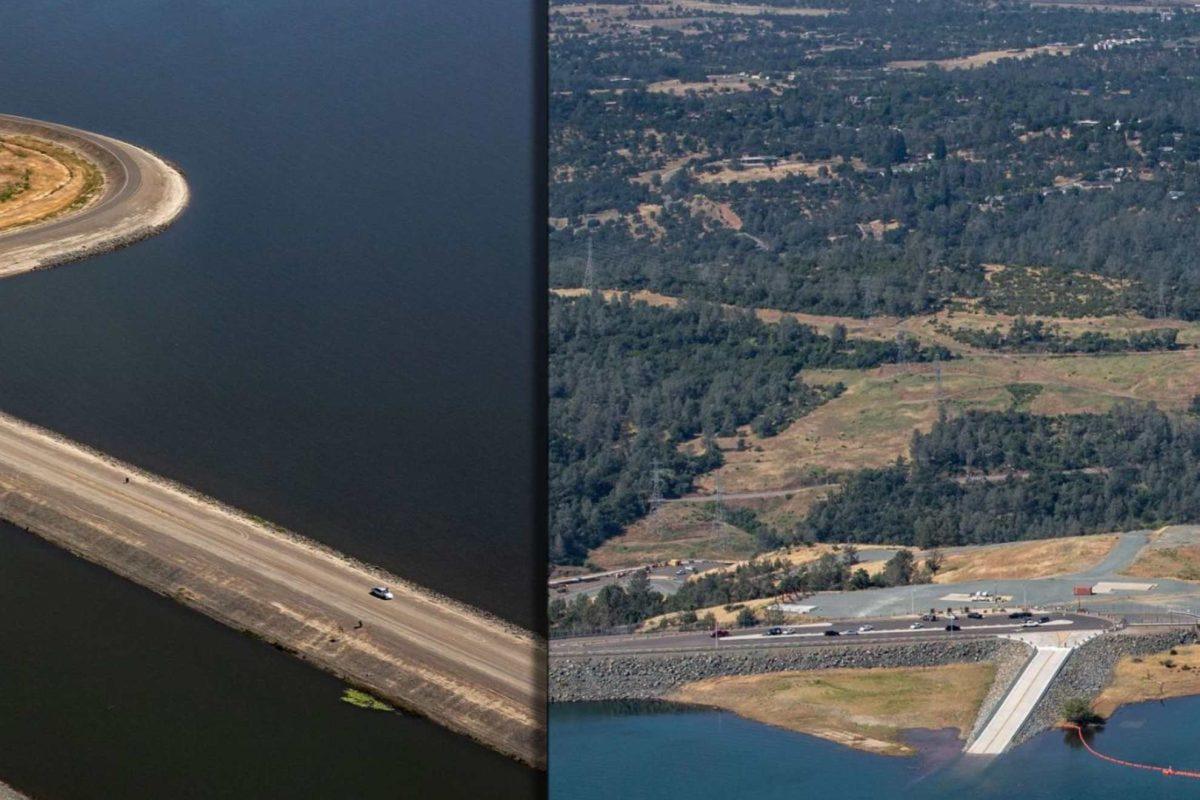
Estimated to cost between 6.2 and 6.8 billion dollars, the massive undertaking is bolstered by substantial federal funding support and state backing. Situated near the community of Maxwell between Colusa and Glenn counties, the planned reservoir will span approximately thirteen miles long, four miles wide, and reach depths of up to eighty meters. Containing the immense water volume will require the erection of two major earthen dams alongside several smaller supplementary structures.
Unlike traditional reservoirs formed by directly damming a primary river channel, Sites will operate on an off stream diversion model. Water will be channeled from the Sacramento River during high flow periods and safely stored for utilization during prolonged dry cycles. Regulatory permissions allow for the diversion of significant annual volumes, creating a vital strategic buffer capable of supporting millions of residents across urban centers and agricultural irrigation districts alike.
Ver esta publicación en Instagram
Strict environmental safeguards and regulatory oversight
To balance human water security with ecological preservation, the operational permits establish stringent environmental safeguards. Water extractions are restricted strictly to specific winter and spring windows, remaining contingent upon maintaining adequate river flow minimums, protecting delta water quality, and preserving local fish populations. Furthermore, mandated intake screens and ongoing thermal monitoring will ensure compliance with environmental protection standards throughout the life of the project.
Ver esta publicación en Instagram
Political consensus and ongoing ecological debate
Championed by state leadership as an indispensable tool to combat increasingly volatile weather patterns, the infrastructure plan has also secured vital federal environmental clearance and administrative support. Proponents stress the urgency of expanding storage capacity following recent historical swings between severe multi year droughts and extreme atmospheric river storms. Conversely, the initiative continues to face sharp scrutiny from environmental advocacy groups and indigenous coalitions concerned about potential long term impacts on the Sacramento River ecosystem and vulnerable aquatic species.
Cover photos from: @sfgate
