

WATCH NOW
Watch on the app





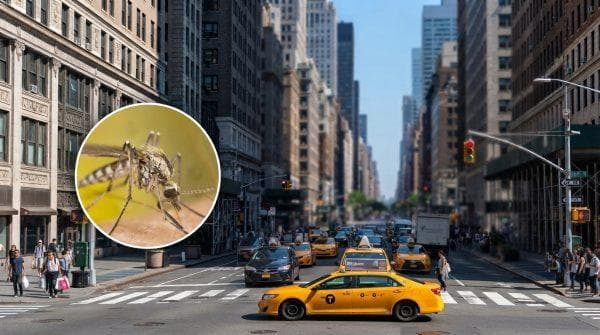








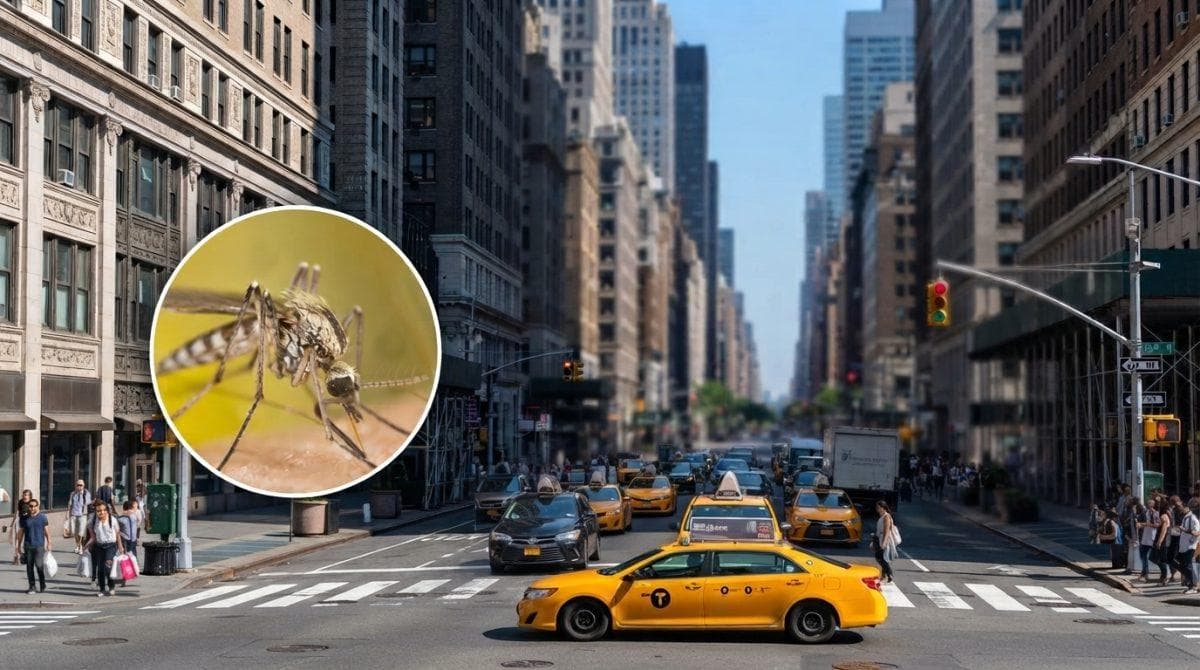
West Nile virus alert in NYC what residents should know as cases rise
-
Mosquito borne infection cases rise significantly across the five boroughs and health authorities report an unprecedented surge during the current season.
-
State officials urge local populations to remain vigilant, while municipal agencies intensify mosquito control operations to mitigate severe health risks.
-
Public health experts emphasize preventive measures and they track escalating virus transmission rates driven by unusually warm weather patterns.
NYC West Nile virus cases have surpassed last year’s total of 18 by jumping to over 30 affected residents since early August 2026, and municipal data released by the New York City Department of Health and Mental Hygiene indicates that this spike alarms local communities, while health director Salluy Slavinski attributes the rapid transmission of this mosquito borne infection to prolonged warm temperatures combined with heavy rainfall and high humidity.
Mosquito borne infection warnings and geographic distribution
City authorities reported that Brooklyn leads the five boroughs with 11 confirmed infections, while Queens and Staten Island register 7 cases each, and Manhattan and the Bronx report 2 and 3 cases respectively, whereas 24 patients developed severe neuroinvasive conditions involving encephalitis or meningitis alongside 6 additional cases classified as simple fever due to a mosquito-borne infection.
Medical specialists noted that most infected individuals experience mild symptoms or remain asymptomatic, but vulnerable populations face heightened hospitalization risks and officials stress that actual infection rates likely exceed official figures because many citizens with minor symptoms never seek medical testing or realize they carry the pathogen.
Environmental factors and municipal vector control
Elevated temperatures accelerate the biological life cycle of vectors and viral replication and higher humidity levels create optimal breeding conditions across stagnant water sources, so specialized teams conduct regular surveillance operations throughout the metropolitan area, while workers apply targeted pesticides to reduce active insect populations during a mosquito borne infection outbreak.
Vector management specialists explained that extended warm seasons lengthen the transmission window, yet administrative agencies continue executing comprehensive public awareness campaigns, furthermore, municipal laboratories recorded over 1,700 positive mosquito samples this season compared to just over 1,300 last year, which breaks previous records established by the city according to reports published by the New York Post.
Preventive guidelines and NYC West Nile virus community protection
-
Residents must eliminate standing water around residential properties immediately and homeowners should inspect flower pots, gutters and discarded containers regularly to prevent any mosquito borne infection vector.
-
Public health advisories recommend applying Environmental Protection Agency-approved insect repellents containing DEET, and individuals should wear long sleeves during peak outdoor activity hours.
-
Municipal agencies urge local property managers to report stagnant water accumulations promptly, while sanitation crews maintain rigorous drainage inspections across all affected neighborhoods.
-
Community groups collaborate with municipal health workers to distribute educational materials and residents maintain active vigilance against NYC West Nile virus threats.
Ver esta publicación en Instagram
