

WATCH NOW
Watch on the app














NYC new public toilets put you on the clock and the door opens when time runs out
-
Automated street restrooms launch a $4M pilot program across the five boroughs, while municipal agencies deploy innovative infrastructure to expand public sanitation access.
-
City officials mandate a strict 10-minute time limit on installations, whereas privacy advocates question the security protocols and forced door mechanisms.
-
Urban planners emphasize modern technological improvements and local administrators track automated integration patterns driven by recent policy changes.
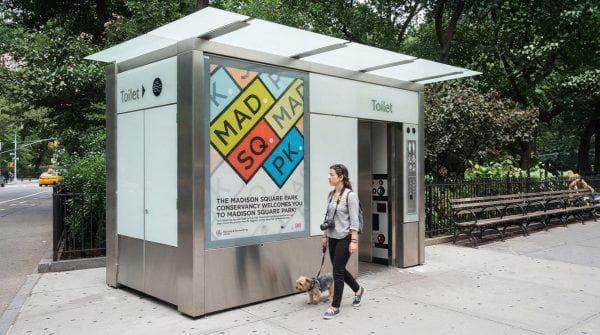
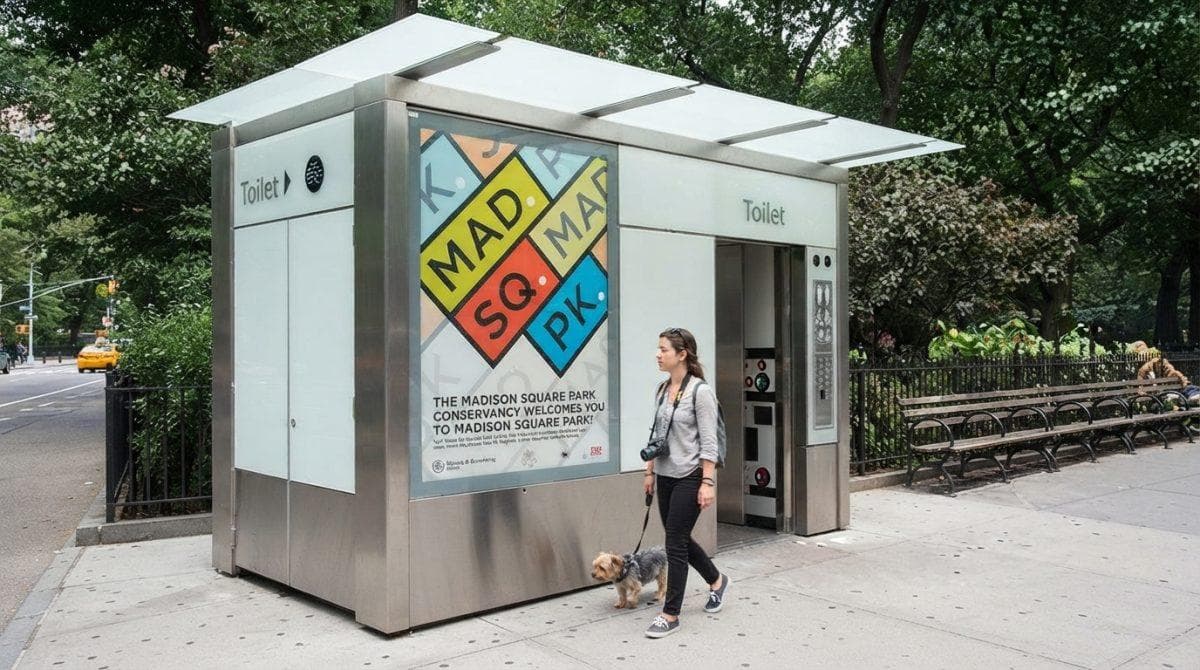
NYC public toilets officially land across the metropolitan area as part of a $4M pilot project implemented by the administration of Mayor Zohran Mamdani in September 2026 and municipal workers deploy 17 modular units in Brooklyn and Queens to expand essential urban amenities, while local residents navigate the strict operational parameters introduced by these automated street restrooms.
Furthermore, city planners design these sanitation units to address chronic public hygiene shortages throughout busy commercial districts, yet strict electronic timers enforce a controversial 10 minute time limit that sparks intense public debates regarding privacy, accessibility and the abrupt automated exit warnings before authorities evaluate upcoming optimization measures in the NYC public toilets.
Mechanics and access protocols of automated street restrooms
City authorities require users to unlock the facilities by sending a text message or tapping a designated payment card, whereas vulnerable populations without smartphones face significant exclusion from essential hygiene services, and additionally, the integrated digital timer forces the door open automatically after exactly 10 minutes of continuous use via these automated street restrooms, while audio warnings broadcast verbal alerts in multiple languages before unlocking the enclosure.
Privacy vulnerabilities and safety debates regarding premature door openings
Critics argue that the forced door mechanism triggers safety hazards and dignity breaches when the automated system unlocks prematurely after 10 minutes, regardless of whether the citizen has finished utilizing the sanitation facility, whereas public health advocates warn that rushing users creates severe distress for individuals with medical conditions.
Digital privacy advocates warn that tracking user access data through mobile devices creates surveillance vulnerabilities, and critics argue that abrupt door openings compromise personal dignity for individuals requiring additional time due to medical conditions, whereas transportation officials defend the technological framework as a necessary deterrent against unauthorized occupation, though local community boards demand immediate policy revisions to guarantee universal accessibility within the automated street restrooms.
“Attention, your usage time has expired,
the door is now opening”
Urban infrastructure and municipal technology integration
Advanced engineering standards govern the installation of these modular sanitation units across dense neighborhoods and sanitation departments coordinate routine maintenance schedules to ensure optimal mechanical performance throughout the summer season, while specialized technicians monitor digital locking mechanisms continuously during over 1,700 daily sessions and administrative agencies assess expansion blueprints for additional districts utilizing automated street restrooms.
Smart developers explain that automated street restrooms optimize public space management efficiently, although administrative agencies continue reviewing public feedback regarding emergency override options, while municipal engineering laboratories record high usage metrics during the initial launch phase, which demonstrates a substantial citizen demand for modernized urban hygiene infrastructure.
Ver esta publicación en Instagram
Preventive guidelines and community protection in NYC public toilets
-
Residents must register compatible digital payment cards or messaging numbers prior to entering the automated street restrooms, and consequently, users monitor active session timers carefully during visits.
-
Public health advisories recommend reporting technical malfunctions immediately to maintenance crews, and moreover, individuals verify accessibility features before relying on digital systems.
-
City officials urge local community boards to submit formal accessibility feedback promptly, whereas sanitation crews maintain rigorous cleaning schedules across all operational deployment sites.
-
Community groups collaborate with municipal technology offices to distribute educational materials, and steadily, residents sustain active vigilance against potential privacy risks tied to the NYC public toilets.
Ver esta publicación en Instagram
